Have you ever stood in the garden center, overwhelmed by rows of seeds and plants, wondering what to grow in your vegetable garden? You’re not alone. Many people face the same challenge, especially if you’re new to gardening or want to make the most of your space.
Choosing the right vegetables can make all the difference in your gardening success. This article will guide you through selecting the best crops for your garden, taking into account your climate, space, and personal taste. By the end, you’ll feel confident in your choices and excited to start planting your own delicious produce.
Key Takeaways
- Assess Your Garden Space: Understanding sunlight, soil quality, and location is essential for successful gardening. Aim for at least 6 hours of sunlight and analyze soil type for optimal vegetable growth.
- Choose Beginner-Friendly Vegetables: Start with easy-to-grow options like lettuce, radishes, and zucchini, which provide quick results and boost confidence for new gardeners.
- Consider Seasonal Planting: Understand the difference between cool-weather and warm-weather vegetables and plant accordingly based on local frost dates for maximum yield.
- Utilize Companion Planting: Grow compatible plants together to enhance growth, repel pests, and improve flavor, creating a more productive vegetable garden.
- Focus on Maintenance: Regular watering, fertilizing, and pest management are key to maintaining healthy plants and ensuring a bountiful harvest throughout the growing season.
- Start Slow and Experiment: Begin with a few types of vegetables and gradually expand your garden as you gain experience and confidence in your gardening skills.
Understanding Your Garden Space
Understanding your garden space is crucial to growing a successful vegetable garden. You must assess the conditions of your area, including sunlight, soil quality, and location.
Assessing Sunlight and Soil
Assess sunlight exposure by observing how much direct light your garden receives throughout the day. Most vegetables thrive with at least 6 hours of sunlight daily. Keep note of shaded areas from trees, buildings, or fences.
Analyze your soil type by conducting a simple soil test. Each vegetable has specific soil preferences. Loamy or sandy soils often yield better results than clay-heavy soils. Supplementing soil with organic matter, such as compost, improves fertility and drainage, supporting healthy plant growth.
Choosing the Right Location
Choose a location that provides adequate sunlight, is easily accessible, and has good drainage. Raised beds or containers can enhance drainage if your ground soil holds water.
Consider proximity to water sources for easy irrigation. Placing your garden near a hose or rain barrel makes maintenance more convenient. Moreover, ensure your chosen site has protection from strong winds and harsh elements, which can stress your plants.
Popular Vegetables for Beginners
Choosing the right vegetables for your garden can lead to a productive and satisfying experience. Here are some popular options that are well-suited for beginners.
Recommended Products
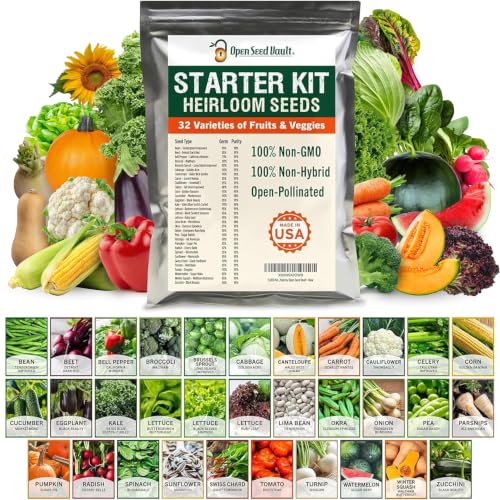
COMPLETE VEGETABLE GARDEN VARIETY PACK – Grow a thriving home garden with 32 popular vegetable seeds including Bean, Beet, Bell Pepper, Broccoli, Brussels Sprout, Cabbage, Cantaloupe, Carrot, Cauliflower, Celery, Corn, Cucumber, Eggplant, Kale, Lettuce (3 types), Lima Bean, Okra, Onion, Pea, Parsnip, Pumpkin, Radish, Spinach, Sunflower, Swiss Chard, Tomato, Turnip, Watermelon, Zucchini. A diverse mix perfect for fresh meals, backyard gardens, and sustainable growing.

HEIRLOOM FRENCH VARIETY – Classic French Breakfast radish with elongated red roots tipped in white, crisp texture and mild flavor make it a favorite salad or snack radish
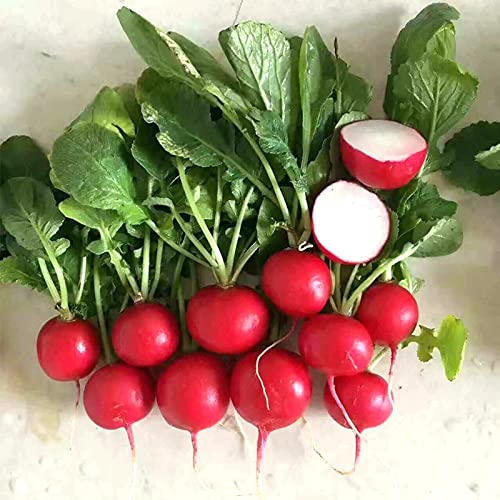
500+ non-GMO heirloom Cherry Belle radish seeds: These seeds are grown from heirloom Cherry Belle radishes, which are known for their crisp, sweet flavor and fast growing qualities. They are also non-GMO, so you can be sure that you are planting seeds that are safe for your family and the environment.
Easy-to-Grow Options
- Lettuce: Lettuce grows quickly and thrives in cool weather. You can harvest leaves as needed, allowing for continuous growth.
- Radishes: Radishes mature in about 30 days. Their quick turnaround makes them ideal for new gardeners looking for immediate results.
- Carrots: Carrots are easy to grow and require minimal care. They can be sown directly into the soil and tolerate a variety of conditions.
- Zucchini: Zucchini yields abundant crops. Just a few plants can provide a large harvest, making them quite rewarding for beginners.
- Green Beans: Green beans are prolific and easy to care for. They can be grown on trellises, saving garden space while maximizing yield.
- Spinach: Spinach germinates quickly, often within a week. You can harvest baby leaves for salads or allow them to grow fully for cooking.
- Peas: Peas grow rapidly and prefer cooler weather. Plant them early in the season for a sweet, crisp addition to meals.
- Basil: Basil thrives in warm conditions and can be harvested regularly, encouraging bushier growth. Use it fresh or dried for flavoring dishes.
- Cucumbers: Cucumbers grow quickly and can be more productive when grown vertically, keeping the garden organized and healthy.
- Beets: Beets mature in about 50 to 60 days. You can enjoy both the greens and the roots, providing versatile uses in the kitchen.
Selecting these easy-to-grow and fast-growing vegetables can enhance your gardening experience. Emphasizing variety not only enriches your meals but also boosts your confidence as a gardener.
Seasonal Considerations
Choosing what to grow in your vegetable garden depends heavily on seasonal factors. Understanding the climate in your area and the optimal planting times for different vegetables ensures a productive garden.
Cool-Weather Vegetables
Cool-weather vegetables thrive in temperatures ranging from 40°F to 75°F. These crops prefer planting in early spring or late summer, providing a nice yield before the heat of summer or during the cooler fall months. Consider growing:
- Lettuce: Fast-growing and ideal for early spring.
- Radishes: Quick to mature, ready in about 30 days.
- Carrots: Plant in early spring for a late summer harvest.
- Spinach: Delicious and can be harvested multiple times.
- Peas: Sweet and nutritious, sow as soon as the soil is workable.
Timing is crucial, so aim to plant these vegetables as soon as the soil can be worked after winter.
Warm-Weather Vegetables
Warm-weather vegetables flourish when temperatures rise above 60°F. These crops require a good amount of sunlight and should be planted after the last frost date. Popular options include:
- Tomatoes: Highly productive; plant after danger of frost.
- Zucchini: Fast-growing, plentiful yields throughout summer.
- Green Beans: Bloom quickly and can be harvested in about 50 days.
- Cucumbers: Thrives in warm weather; regularly harvest for best results.
- Basil: Needs warmth and sun for strong growth; perfect for companion planting.
Select warm-weather vegetables based on your local frost dates for the best success. Keep temperature and growth conditions in mind for each type of crop you plant.
Companion Planting Strategies
Companion planting involves growing specific vegetables close together to enhance growth, repel pests, and improve yields. This strategy benefits both novice and experienced gardeners.
Benefits of Companion Planting
- Pest Control: Certain plants deter pests. For example, marigolds repel nematodes, while basil can keep flies and mosquitoes away from tomatoes.
- Enhanced Growth: Some plants can boost the growth of others. For instance, planting corn alongside beans allows the beans to climb the corn, benefiting from its height and structure.
- Improved Flavor: Some studies suggest that certain vegetables improve their flavor when grown in combination, such as tomatoes with basil.
- Space Efficiency: Companion planting allows more crops in less space. For instance, growing leafy greens with root vegetables utilizes vertical and horizontal space effectively.
- Tomatoes and Basil: Basil enhances the flavor of tomatoes and repels pests like aphids.
- Carrots and Onions: Onions deter carrot flies, while carrots do not compete significantly for nutrients.
- Cabbage and Dill: Dill attracts beneficial insects that prey on cabbage pests.
- Pepper and Eggplant: Both thrive in similar conditions and help maximize garden space.
- Radishes and Cucumbers: Radishes can condition the soil and deter cucumber beetles from harming the cucumbers.
Using companion planting strategies maximizes your vegetable garden’s potential, promoting a productive and harmonious growing environment.
Maintenance Tips for Your Vegetable Garden
Maintaining your vegetable garden ensures healthy plants and a bountiful harvest. Focus on watering, fertilizing, and controlling pests to keep your garden thriving.
Recommended Products

READY-TO-USE CONTACT SPRAY: No mixing required. Thoroughly spray insecticide on all plant parts, including the underside of leaves. Pests must be sprayed directly to achieve control

PEST DEFENSE - Insecticidal Super Soap controls species of adelgid, ant, aphid, borer, caterpillar, spider mite, cricket, chinch bug, weevil, fly, thrip, & more.

Watering and Fertilizing
Watering vegetables properly promotes growth. Aim for about 1 inch of water weekly, either from rainfall or irrigation. Water deeply to encourage root development, shifting to more frequent watering during hot months. Use mulch to retain moisture and reduce evaporation.
Fertilizing supports the nutritional needs of your plants. Apply a balanced fertilizer specifically designed for vegetables according to package instructions. Generally, you may need to fertilize every 4-6 weeks during the growing season. Organic options, such as compost or well-rotted manure, provide essential nutrients while improving soil quality.
Pest and Disease Management
Pest and disease management keeps your vegetable garden healthy. Regularly inspect plants for signs of trouble, like holes in leaves or discoloration. Promptly remove affected leaves or plants to prevent the spread of issues.
Utilize natural pest control methods when possible. Introduce beneficial insects, like ladybugs, to control aphids. Use insecticidal soap or neem oil for specific pests, following labels for application rates. Prevention is key—keep garden areas clean, remove debris, and rotate crops annually to disrupt pest life cycles.
By consistently monitoring and adjusting your maintenance routine, your vegetable garden can flourish throughout the growing season.
Conclusion
Starting your vegetable garden can be an exciting journey filled with discovery and growth. By choosing the right vegetables and understanding your garden’s unique conditions, you’re setting yourself up for success. Remember to embrace the seasonal changes and consider companion planting to maximize your harvest.
With a little patience and care, you’ll soon enjoy the fruits of your labor. So grab your gardening tools and get ready to dig in. Your vegetable garden awaits, and it’s sure to bring you joy and delicious homegrown produce. Happy gardening!
Frequently Asked Questions
What vegetables are best for beginner gardeners?
Beginner gardeners should start with easy-to-grow vegetables like lettuce, radishes, carrots, zucchinis, green beans, spinach, peas, basil, cucumbers, and beets. These crops typically require minimal care and offer quick growth, making them perfect for someone new to gardening.
How can I determine the right vegetables for my garden?
To select the right vegetables, assess your garden’s sunlight exposure, soil quality, and space. Most vegetables need at least 6 hours of direct sunlight daily and specific soil conditions. A soil test can help determine the best crops suited for your garden.
When should I plant my vegetables?
Planting times depend on whether the vegetables are cool-weather or warm-weather types. Cool-weather veggies thrive in temperatures of 40°F to 75°F and are best planted in early spring or late summer. Warm-weather varieties flourish above 60°F and should be planted after the last frost date.
What is companion planting, and why is it beneficial?
Companion planting involves growing specific plants together to enhance growth, support pest control, and improve yields. Benefits include better flavor, space efficiency, and reduced pest problems. Examples include pairing tomatoes with basil and carrots with onions.
How often should I water my vegetable garden?
Water your vegetable garden about once a week, providing approximately 1 inch of water. Additionally, using mulch can help retain soil moisture and reduce the frequency of watering, especially during hotter months.
What maintenance tips should I follow for a thriving vegetable garden?
For optimal growth, fertilize every 4-6 weeks with a balanced fertilizer or organic options like compost. Regularly inspect for pests and diseases, utilizing natural control methods. Crop rotation is also encouraged to maintain soil health and prevent disease buildup.

I’ve always been drawn to trees.As a kid, I spent most of my free time outside, climbing, exploring, and trying to figure out the names of the trees around me.That early curiosity eventually led me to study arboriculture and horticulture at Michigan State.Later, I completed a degree in forestry at the University of Michigan.
I’ve been working in tree care and education ever since.These days, I enjoy helping people learn more about the trees in their own backyards.How they grow, how to care for them, and why they matter.You don’t need to be an expert to appreciate trees.A little curiosity goes a long way.