Have you ever thought about growing your own vegetables but didn’t know where to start? You’re not alone. Many people dream of fresh produce right from their backyard but feel overwhelmed by the idea of starting a garden from scratch.
The good news is that it’s easier than you think. With a little guidance and the right approach, you can cultivate a thriving vegetable garden that not only saves you money but also brings joy and satisfaction. This article will walk you through the essential steps to get your garden up and running, helping you enjoy the fruits of your labor in no time.
Key Takeaways
- Start with Planning: Assess your space, select appropriate vegetables for your climate, and design a layout for effective growth.
- Soil Health is Key: Test your soil’s pH and nutrients, then amend it with organic matter to promote fertility and drainage for better plant health.
- Choose Vegetables Wisely: Opt for easy-to-grow varieties first and consider companion planting to enhance growth and repel pests.
- Watering Matters: Establish a consistent watering schedule, aiming for one inch per week, and utilize effective irrigation methods such as drip systems or soaker hoses.
- Monitor and Manage Pests: Regularly inspect plants for pests and diseases, employing organic solutions and encouraging beneficial insects for natural pest control.
- Timing Your Harvest: Harvest vegetables at their peak ripeness for optimal flavor and nutrition, and follow appropriate storage methods to prolong freshness.
Understanding Vegetable Gardening
Vegetable gardening involves growing vegetables for personal consumption. This process encompasses several essential elements that determine your garden’s success.
Choosing the Right Location
Select a site with plenty of sunlight. Most vegetables thrive in areas receiving at least six to eight hours of direct sunlight daily. Consider proximity to water sources, as access simplifies daily maintenance.
Soil Preparation
Examine the soil quality. Use a soil test kit to check pH and nutrient levels. Amend your soil with compost and organic matter to improve fertility and drainage. A nutrient-rich soil promotes healthy plant growth.
Selecting Vegetables
Pick vegetables appropriate for your climate and season. Start with easy-to-grow options like tomatoes, lettuce, and radishes. Research companion planting to maximize space and deter pests by growing specific plants together.
Planning Your Layout
Design a garden layout that accommodates your vegetable choices. Use raised beds or traditional rows based on available space. Allow adequate spacing between plants to promote air circulation and prevent disease.
Planting Techniques
Follow precise planting guidelines for each vegetable type. Sow seeds to the recommended depth and spacing. Use transplants for quicker results, ensuring they are acclimated to the outdoor environment before planting.
Watering Practices
Establish a consistent watering schedule. Vegetables generally need one inch of water per week, either from rainfall or supplemental irrigation. Water early in the morning to reduce evaporation and promote absorption.
Pest and Disease Management
Monitor for pests and diseases regularly. Identify issues early and apply organic solutions, such as neem oil or insecticidal soap, for control. Promote biodiversity in your garden by attracting beneficial insects.
Harvesting Tips
Harvest vegetables at their peak for the best flavor and nutrition. Check specific harvesting times for each vegetable type. Use sharp tools to avoid damaging plants during the harvesting process.
Implement these practices for a successful vegetable garden. Stay organized, monitor progress, and enjoy watching your garden thrive.
Planning Your Vegetable Garden
Planning is crucial for a successful vegetable garden. Start by considering your space and the types of vegetables you want to grow.
Recommended Products

Higher Output & Brighter Grow Light Panel---192 High Quality LEDs and 12W Actual Power per panel. 3x Brightness to other low price and messy wires panel grow light. Help your indoor plants growing better and healthier. 4Pack is Born for common plant shelves.


Selecting the Right Location
Select a location with at least 6-8 hours of direct sunlight daily. Look for a spot with good drainage and protection from harsh winds. Check for nearby water sources for easy access. Avoid areas with competing tree roots or heavy shade from buildings or fences. For example, south-facing gardens typically receive more sun, making them ideal for most vegetables.
Choosing the Right Vegetables
Choose vegetables that thrive in your local climate and season. Research your hardiness zone to identify suitable plants. Consider factors like growth time, space requirements, and your family’s preferences. Start with easy-to-grow vegetables like tomatoes, cucumbers, and radishes. For more advanced gardeners, explore varieties like heirloom tomatoes or specialized herbs. Plant a mix of fast-growing and longer-maturing crops to enjoy a continuous harvest.
Preparing Your Garden Bed
Preparing your garden bed sets the foundation for a thriving vegetable garden. Focus on choosing the right bed type and ensuring the soil is ready for planting.
Recommended Products

KNOW BEFORE YOU GROW | Grow the healthiest, sustainable lawn and garden with the most accurate and easy to use professional soil test kit on the market

ORGANIC TOP SOIL FOR FLOWERING PLANTS & GARDEN BEDS: The BuildASoil Top Dress Kit is a premium organic topsoil amendment formulated specifically for flowering plants and outdoor garden beds. Whether you're growing in raised garden soil, containers, or in-ground plots, this kit delivers the phosphorus and potassium your blooms need most — simply top dress a few handfuls across the soil surface before or during the flowering stage and water in.
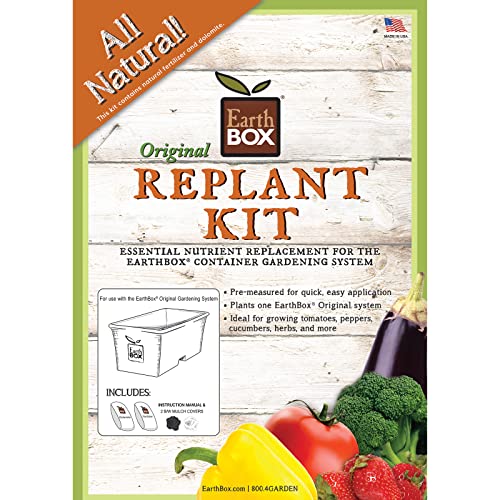
Each replant kit includes; 2 pre-measured ingredients and 2 mulch covers to keep weeds out
Types of Garden Beds
- In-Ground Beds: Utilize existing soil, amend it with organic matter, and plant directly in designated rows or plots.
- Raised Beds: Build a frame with wood, brick, or stone, fill it with soil, and create well-draining, adaptable planting areas.
- Container Gardens: Use pots or containers if space is limited. Choose sizes that suit the vegetables you plan to grow.
- Vertical Gardens: Maximize limited space by utilizing walls or fences to grow climbing vegetables like tomatoes and beans.
- Testing Soil: Test your soil’s pH and nutrient levels using a simple home kit to understand necessary amendments.
- Amending Soil: Add organic matter, such as compost or well-rotted manure, to enhance fertility and improve drainage.
- Tilling: Break up compacted soil with a garden fork or tiller to aerate it. This ensures roots can easily penetrate the ground.
- Leveling the Bed: Smooth out your garden bed’s surface for even planting and better water drainage.
- Moistening the Soil: Water the soil before planting. This helps settle the amendments and prepares it for your vegetable seeds or seedlings.
By preparing your garden bed with careful consideration of these elements, you strengthen your garden’s potential for a bountiful harvest.
Planting Your Vegetables
Planting your vegetables marks an exciting phase in your gardening journey. You’ll apply your planning and preparation efforts to grow fresh produce.
Timing for Planting
Timing is crucial for successful vegetable gardening. Check the average last frost date in your area to determine when to start planting. Most vegetables thrive when planted after this date. For example:
- Warm-season crops like tomatoes and peppers should go in the ground once the soil temperature reaches around 60°F (15°C), usually a few weeks after the last frost.
- Cool-season crops such as lettuce and peas can be planted as soon as the soil can be worked, often a month or more before the last frost.
Consider using a planting calendar specific to your region, as it provides guidance on the best planting windows for various vegetables.
Planting Techniques
Employing the right planting techniques ensures healthy growth.
- Seed Spacing: Follow seed packet instructions for spacing when planting seeds. Proper spacing prevents overcrowding and promotes air circulation.
- Depth: Plant seeds at the recommended depth, typically two to three times their diameter.
- Transplanting: For seedlings, gently remove them from their pots, handle them by the leaves, and plant at the same depth they were growing in their containers.
- Row Orientation: Orient rows from north to south for optimal sunlight exposure throughout the day.
Maintain consistent soil moisture post-planting. Water gently, ensuring seeds settle well without being washed away. Use mulch around seedlings to help retain moisture and suppress weeds.
With these techniques, your vegetable garden can thrive, leading to a rewarding harvest.
Caring for Your Vegetable Garden
Caring for your vegetable garden requires consistent attention and proper techniques. This part provides guidance on key aspects of garden maintenance, including watering and pest management.
Watering and Irrigation
Watering plays a vital role in your garden’s health. Aim for deep watering once or twice a week, ensuring soil reaches a depth of 6-12 inches. Check soil moisture by sticking your finger about an inch into the soil; if it feels dry, it’s time to water.
Consider these methods for effective irrigation:
- Drip Irrigation: This system delivers water directly to the roots, reducing waste and preventing disease.
- Soaker Hoses: Lay them on the soil surface for a slow, even soak.
- Rain Barrels: Collect rainwater for eco-friendly irrigation.
Adapting your schedule to the weather also helps. Most vegetables thrive with 1-2 inches of water weekly, accounting for rainfall. Gardeners can mulch around plants to retain soil moisture and suppress weeds, promoting healthier growth.
Pest and Disease Management
Monitoring for pests and diseases protects your vegetable garden. Regularly inspect plants for signs of trouble, such as discolored leaves or holes. Act promptly to minimize damage.
Utilize these strategies for effective management:
- Companion Planting: Planting certain crops together can deter pests. For example, marigolds repel nematodes and aphids when paired with vegetables.
- Natural Predators: Encourage beneficial insects like ladybugs and lacewings, which feed on common pests.
- Organic Solutions: Use insecticidal soap or neem oil for safe pest control. Spray early in the morning or late in the afternoon to avoid harming beneficial insects.
Prompt action against diseases is critical, so consider crop rotation and disease-resistant varieties to reduce risks. By maintaining vigilance and employing these strategies, you’ll ensure a productive and healthy vegetable garden.
Harvesting and Storing Your Vegetables
Harvesting vegetables at the right time ensures peak flavor and nutrition. Follow these guidelines for an optimal harvesting process.
Timing Your Harvest
- Know the Signs: Check for visual indicators of ripeness, such as size and color. For example, tomatoes should be fully colored and firm.
- Daily Checks: Inspect your garden daily. Some vegetables, like zucchinis, can grow rapidly and may need harvesting every few days.
- Harvest in the Morning: Cold temperatures help preserve the freshness of your vegetables. Gather produce when morning dew is present.
Techniques for Harvesting
- Use Clean Tools: Employ sharp and clean gardening shears or knives to prevent damage.
- Handle with Care: Gently twist or cut vegetables from the stem. Avoid pulling too hard to prevent bruising.
- Test Firmness: For root vegetables, like carrots, loosen the soil gently before pulling.
Storing Your Vegetables
- Clean Immediately: Rinse vegetables under cool water to remove dirt and residue.
- Dry Thoroughly: Use paper towels or a clean cloth to dry produce before storage. Excess moisture can lead to rot.
- Know the Best Storage Methods:
| Vegetable Type | Storage Method | Ideal Temperature |
|---|---|---|
| Leafy Greens | Refrigerate in a bag | 32°F – 40°F |
| Tomatoes | Store at room temperature | 55°F – 70°F |
| Root Vegetables | Keep in a cool, dark place | 32°F – 40°F |
Long-Term Storage Options
- Freezing: Blanch and cool vegetables like peas and green beans before freezing to preserve texture and color.
- Canning: Preserve vegetables like tomatoes and pickles through canning. Ensure you follow safe canning practices to prevent spoilage.
- Dehydrating: Dehydrate herbs and some vegetables for long-term storage. Store them in airtight containers out of direct sunlight.
- Label Your Jars: Write dates on canning jars to track freshness.
- Check for Spoilage: Regularly inspect stored vegetables for signs of spoilage and remove affected items immediately.
By following these steps, you can enjoy your harvested vegetables for weeks or months while retaining their quality.
Conclusion
Starting your vegetable garden is an exciting journey filled with the promise of fresh produce and personal satisfaction. With the right planning and care you can transform a small patch of soil into a thriving garden. Remember to enjoy the process and embrace the learning curve that comes with it.
As you nurture your plants and watch them grow you’ll build a deeper connection to your food and the environment. So grab your gardening tools and get started. Your delicious homegrown veggies are just around the corner waiting for you to cultivate them. Happy gardening!
Frequently Asked Questions
What are the first steps to start a vegetable garden?
Begin by selecting a location that receives at least 6-8 hours of sunlight daily and has good drainage. Prepare your soil by testing its pH and nutrient levels, and then amend it with organic matter. Choose vegetables suited to your local climate, focusing on easy-to-grow varieties for beginners.
How do I prepare the garden bed?
To prepare your garden bed, choose the right type for your space—like in-ground, raised, or container gardens. Test and amend the soil, till it to aerate, level the bed for even planting, and moistening the soil before planting to ensure a good start for your plants.
When should I plant my vegetable seeds?
Check your area’s last frost date to time your planting. Warm-season crops, such as tomatoes, should be planted once soil temperatures reach about 60°F. Cool-season crops can be planted earlier. Using a regional planting calendar will help you choose the best times.
What watering practices should I follow?
Water your vegetable garden deeply once or twice a week, ensuring moisture reaches the roots. Methods like drip irrigation or using soaker hoses can be effective. Always check the soil moisture before watering, and water early in the morning to reduce evaporation.
How can I manage pests and diseases in my garden?
Regularly inspect your plants for signs of pests and diseases. Use organic solutions like companion planting and attracting beneficial insects to control pests. Maintaining good garden hygiene and rotating crops annually can also help reduce pest issues.
When is the best time to harvest vegetables?
Harvest vegetables in the morning for optimal flavor and nutrition. Check for visual indicators of ripeness specific to each vegetable type. Use clean tools for harvesting and handle your produce carefully to avoid bruising.
What’s the best way to store harvested vegetables?
Proper storage varies by vegetable type. Refrigerate leafy greens to maintain freshness, while tomatoes should be stored at room temperature. For long-term storage, consider freezing, canning, or dehydrating, and remember to label your containers to track freshness.

I’ve always been drawn to trees.As a kid, I spent most of my free time outside, climbing, exploring, and trying to figure out the names of the trees around me.That early curiosity eventually led me to study arboriculture and horticulture at Michigan State.Later, I completed a degree in forestry at the University of Michigan.
I’ve been working in tree care and education ever since.These days, I enjoy helping people learn more about the trees in their own backyards.How they grow, how to care for them, and why they matter.You don’t need to be an expert to appreciate trees.A little curiosity goes a long way.