Have you ever wondered what to do with all that kitchen waste piling up in your trash? Instead of tossing it away, you can turn it into nutrient-rich compost that your garden will love. It’s a simple and rewarding way to reduce waste while giving your plants the boost they need to thrive.
Key Takeaways
- Understanding Composting: Composting transforms organic kitchen waste into nutrient-rich soil, enhancing garden health through natural decomposition by microorganisms.
- Benefits of Composting: Composting kitchen waste reduces landfill waste, improves soil health, promotes plant growth, conserves water, and supports local ecosystems.
- Preparing Waste: Use a variety of organic materials like fruit scraps, coffee grounds, and eggshells while avoiding meat, dairy, oils, and excessive citrus peels for effective composting.
- Composting Methods: Choose between traditional composting, which requires layering organic materials, and Bokashi composting, which uses fermentation for a smaller space and broader waste inclusion.
- Maintaining Compost: Ensure optimal compost conditions by managing temperature, moisture, aeration, and the balance of green and brown materials to promote healthy decomposition.
- Troubleshooting: Address common compost issues, such as odors and pests, by monitoring moisture levels, aerating the pile, and maintaining a balanced mix of compost materials.
Understanding Composting
Composting is the process of converting organic material into nutrient-rich soil. This simple practice transforms kitchen waste into valuable compost that enhances garden health.
What Is Composting?
Composting involves breaking down organic matter through natural decomposition. Microorganisms, like bacteria and fungi, play a crucial role in this process. They break down food scraps, yard waste, and other biodegradable materials, turning them into humus. The final product is dark, crumbly compost that enriches soil.
Benefits of Composting Kitchen Waste
Composting kitchen waste offers several advantages:
- Reduces Waste: Composting significantly cuts down the amount of trash you send to landfills.
- Enhances Soil Health: Compost adds nutrients to soil, improving its structure and moisture retention.
- Promotes Plant Growth: Compost provides essential nutrients, helping plants grow robust and vibrant.
- Conserves Water: Compost retains moisture in the soil, reducing the need for frequent watering.
- Supports Local Ecosystems: Compost attracts beneficial organisms, aiding in pest control and promoting biodiversity.
By composting, you not only reduce waste but also contribute positively to your garden and the environment.
Preparing Kitchen Waste for Composting
Preparing kitchen waste for composting involves selecting the right materials and handling them properly. You’ll create a rich compost mix when you focus on both what to include and what to avoid.
Types of Kitchen Waste to Use
Use a variety of organic kitchen waste to create a balanced compost pile. Here are some examples:
- Fruit and Vegetable Scraps: Include peels, cores, and leftovers from fruits like apples, bananas, and veggies such as carrots and potatoes.
- Coffee Grounds: Add used coffee grounds and filters for nitrogen enrichment.
- Eggshells: Rinse and crush eggshells before adding them for calcium boost.
- Grains: Leftover rice, bread, and pasta can contribute carbon.
Remember to chop larger items into smaller pieces. This step speeds up decomposition and makes for a more consistent mixture.
What to Avoid in Compost
Certain materials shouldn’t make it into your compost pile. Keep these items out:
- Meat and Dairy Products: These spoil quickly, attract pests, and create odors.
- Oils and Fats: Fats can hinder the decomposition process and lead to unwanted smells.
- Non-Organic Materials: Avoid plastics, metals, and any synthetic materials.
- Citrus Peels: Excessive amounts can create acidity imbalances.
By preparing your kitchen waste thoughtfully, you achieve a successful composting process that supports healthier garden growth.
Composting Methods
Composting your kitchen waste can take various forms. Here are two popular methods you can use to create rich compost for your garden.
Recommended Products
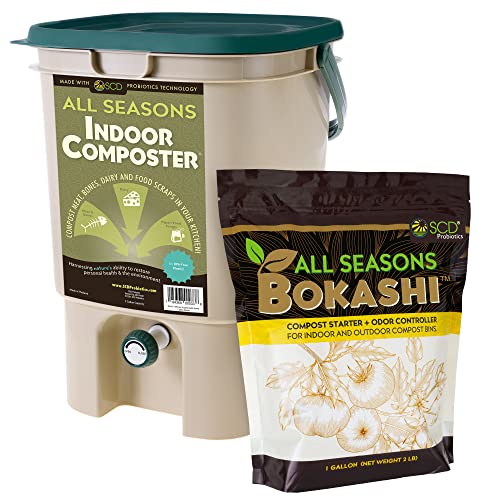
SCD PROBIOTICS INDOOR COMPOSTER STARTER KIT - Compost right in your kitchen with this ready-to-use kit. 5-gallon countertop compost bin with strainer & spigot. 2 lbs. (1 gallon) of compost starter included.

Bokashi Fermentation Principle: Our bokashi compost bin is designed based on the Bokashi fermentation principle. Our Bokashi bucket set are fully equipped, including 500g Bokashi bran, a small kitchen pail, as well as one presser, one bran shovel and one measuring cup, allowing you to easily handle various compost activities.

Excellent value on this complete bokashi starter kit. This kit provides everything you need to successfully begin bokashi composting in your home. Included is 1 x bokashi bin, 1 x 2.2 lb bag of premium bokashi bran, and our Complete Guide to Bokashi Composting.
Traditional Composting
Traditional composting involves layering organic materials in a compost bin or pile. Start by adding a mix of green materials, like fruit and vegetable scraps, and brown materials, such as dried leaves or paper.
- Choose a Location: Select a well-drained spot in your yard for your compost bin or pile.
- Layer the Materials: Alternate layers of green and brown materials. Aim for a ratio of about 1:3, with more browns than greens.
- Turn the Pile: Every few weeks, aerate the compost by turning it with a pitchfork or shovel. This enhances decomposition by allowing oxygen to reach the microorganisms breaking down the materials.
- Monitor Moisture: Keep the compost damp, but not soaking wet. If it dries out, add water or more green materials.
- Look for Readiness: Compost is ready when it’s dark, crumbly, and has an earthy smell. This process typically takes 2-6 months.
Bokashi Composting
Bokashi composting is a method that utilizes fermentation instead of traditional decomposition. This method is ideal for small spaces or when you want to compost items not suitable for traditional composting.
- Get a Bokashi Bin: Purchase or make a Bokashi bin, which usually has a tight-fitting lid and a spigot for draining liquid.
- Collect Waste: Place kitchen waste, including meat and dairy, directly into the bin. Make sure to chop large pieces into smaller bits.
- Add Bokashi Mix: Add a layer of Bokashi bran, which contains effective microorganisms, after each addition of waste. This promotes fermentation.
- Seal the Bin: Close the lid tightly after each addition to prevent odors and pests.
- Ferment: Let the bin sit for 1-2 weeks. You’ll notice a sweet, pickled smell as the materials ferment.
- Bury or Add to Compost: Once the fermentation is complete, bury the contents in the garden soil or add them to your traditional compost pile. The Bokashi process speeds up decomposition in the soil.
By choosing the composting method that fits your lifestyle, you can effectively turn your kitchen waste into valuable compost that nourishes your garden without creating excess waste.
Maintaining Your Compost
Maintaining your compost ensures its efficiency and promotes healthy decomposition. Follow these tips to create optimal conditions and troubleshoot common issues.
Recommended Products
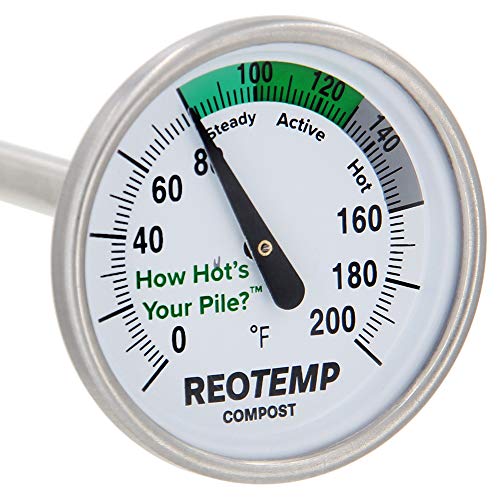
Perfect for the Beginner Composter - Free PDF Digital Compost Guide Included - Expert instructions on how to get started composting and managing your compost pile for the most efficient compost production.
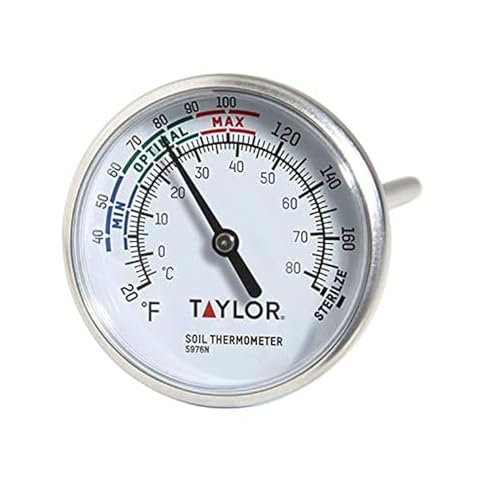
PRECISE SOIL TEMPERATURE READINGS: Measures soil temperatures from 20 degrees F to 180 degrees F (0 degrees C to 80 degrees C) with a large, easy-to-read analog dial face - no batteries or digital screens needed for reliable results every time

DURABLE CONSTRUCTION: Solid 20 inch (508 mm) 0.2 inch (5mm) diameter stem; reinforced welded bolt between dial and stem for long-lasting operation and conditions; high quality 304 stainless steel
Optimal Conditions for Composting
Achieving optimal composting conditions creates an environment conducive to decomposition. Focus on these factors:
- Temperature: Keep your compost pile warm, ideally between 130°F to 160°F. This heat aids microbial activity. Use a compost thermometer to monitor temperatures regularly.
- Moisture: Ensure your compost remains moist but not soggy. Aim for a damp sponge-like texture. If it’s too dry, add water. If too wet, add dry materials like straw or shredded paper.
- Aeration: Turn your compost every two to four weeks to introduce oxygen. Aeration prevents odor and supports aerobic decomposition. Use a pitchfork for this task.
- Materials Balance: Maintain a balanced mixture of green materials (nitrogen-rich) and brown materials (carbon-rich). A ratio of 1:3 (green to brown) generally promotes optimal breakdown.
- Particle Size: Chop or shred large materials for faster decomposition. Smaller pieces break down more easily and evenly.
Troubleshooting Common Issues
Addressing common compost problems ensures your pile remains effective. Here’s how to resolve typical issues you might encounter:
- Odor Issues: If your compost smells unpleasant, it’s often too wet or lacks aeration. Turn the compost, add dry materials, and ensure proper airflow.
- Slow Decomposition: If your compost isn’t breaking down, check the moisture, aeration, and materials balance. Ensure you’ve mixed greens and browns properly and turned the pile regularly.
- Pests: If pests invade your compost, avoid adding overly sweet or greasy foods. Keep the bin lid on and consider using a closed composting system to deter animals.
- Excessive Heat: If your compost is too hot, it might dry out. Test the moisture level and consider adding more brown materials. Turning the pile helps release excess heat.
- Weeds: If weeds sprout in your compost, they likely came from seeds in your kitchen waste. Keep the compost well-aerated to kill weed seeds through heat.
By maintaining optimal conditions and addressing issues promptly, you’ll produce rich, nutrient-dense compost that enhances your garden’s health.
Conclusion
Composting kitchen waste is a fantastic way to enrich your garden while reducing your environmental footprint. By turning scraps into nutrient-rich compost, you’re not just helping your plants thrive but also contributing to a healthier planet.
Remember to choose the right materials and maintain your compost pile for the best results. Whether you opt for traditional composting or the Bokashi method, the rewards are well worth the effort.
So grab those kitchen scraps and start your composting journey today. Your garden will thank you for it!
Frequently Asked Questions
What are the benefits of composting kitchen waste?
Composting kitchen waste reduces landfill contributions and creates nutrient-rich compost that enhances garden health. It helps promote plant growth, conserves water, and supports local ecosystems, making it an environmentally friendly practice that benefits both your garden and the planet.
How does the composting process work?
Composting involves the natural decomposition of organic material by microorganisms. Kitchen waste is transformed into nutrient-rich soil through specific layers of green and brown materials, which enhances soil health and promotes plant growth while reducing waste.
What kitchen waste can be composted?
Suitable kitchen waste for composting includes fruit and vegetable scraps, coffee grounds, eggshells, and grains. Choosing the right materials is crucial for successful composting and helps create nutrient-dense compost for your garden.
What items should I avoid composting?
Avoid composting meat, dairy products, oils, non-organic materials, and excessive citrus peels. These items can attract pests, create odors, and disrupt the composting process, reducing the quality of the compost produced.
What are the different methods of composting?
There are various composting methods, including traditional composting and Bokashi composting. Traditional composting uses layering techniques in a bin or pile, while Bokashi composting involves fermentation, allowing for the inclusion of meat and dairy waste in small spaces.
How can I maintain my compost for better results?
To maintain compost, monitor temperature, moisture, aeration, material balance, and particle size. Regularly turning the compost and troubleshooting issues like odor or slow decomposition will help ensure efficient breakdown and produce rich compost for your garden.
What are common composting issues and solutions?
Common composting issues include odor problems, slow decomposition, pest invasions, excessive heat, and weed growth. Solutions involve adjusting moisture levels, aerating the compost, and ensuring a balanced mix of materials to promote healthy decomposition.

I’ve always been drawn to trees.As a kid, I spent most of my free time outside, climbing, exploring, and trying to figure out the names of the trees around me.That early curiosity eventually led me to study arboriculture and horticulture at Michigan State.Later, I completed a degree in forestry at the University of Michigan.
I’ve been working in tree care and education ever since.These days, I enjoy helping people learn more about the trees in their own backyards.How they grow, how to care for them, and why they matter.You don’t need to be an expert to appreciate trees.A little curiosity goes a long way.