Are pesky weeds taking over your garden and stealing the spotlight from your beautiful plants? You’re not alone—many gardeners face this frustrating challenge. Weeds can quickly grow out of control, competing for nutrients and sunlight, making it tough to maintain a thriving garden.
Key Takeaways
- Understand Weeds: Recognize common types of weeds, such as dandelions, crabgrass, and bindweed, to address them effectively.
- Manual Weeding: Techniques like hand pulling and using tools (hand weeders, hoes) can control weeds without chemicals.
- Chemical Solutions: Herbicides can quickly eliminate weeds but should be used cautiously due to potential environmental and health risks.
- Preventive Measures: Implement mulching and proper plant spacing to reduce weed growth and promote healthy gardens.
- Alternative Methods: Use natural methods like boiling water and vinegar as eco-friendly options to control weed populations.
Understanding Weeds
Weeds are unwelcome plants that compete with your garden’s desirable plants for resources. Recognizing and understanding them helps in effective removal and prevention.
Definition of Weeds
Weeds refer to any plant that grows where it’s not wanted. They often reproduce quickly and can thrive in various conditions. Commonly, these plants hinder the growth of cultivated plants by using available nutrients, water, and light. Because they can spread rapidly, managing them is crucial for maintaining a healthy garden.
Common Types of Weeds in Gardens
Identifying common garden weeds helps you tackle them effectively. Here are several prevalent types:
- Dandelions: Recognizable by their bright yellow flowers, dandelions have deep taproots that make them tough to eliminate.
- Crabgrass: This fast-growing annual weed spreads quickly, chokes out desirable plants, and thrives in disturbed soil.
- Clover: Although some clovers can be beneficial, they often invade lawns and gardens, competing for nutrients.
- Bindweed: With their twining stems and heart-shaped leaves, bindweeds can smother smaller plants and require persistent removal efforts.
- Plantain: Characterized by broad leaves and flower spikes, plantain thrives in compacted soil and can spread quickly if not managed.
Understanding these weed types allows you to identify and address them promptly, ensuring your garden flourishes.
Manual Weeding Techniques
Manual weeding involves physically removing weeds from your garden. This method offers control and reduces the risk of unwanted chemical exposure. Here are effective techniques for manual weeding.
Recommended Products

L-shaped, double-sided blade – scrapes and cuts weeds with effortless back-and-forth motion, making quick work of stubborn growth in tight spaces like patio stones, driveway cracks, and sidewalk gaps.

MANUAL WEEDER TOOL: Lightweight, long shaft handle weed puller with easy-eject design to help prevent sore knees and back aches from kneeling and bending; Makes weed removal quicker and easier without multiple applications or harsh, costly chemicals

Easy to Use: The handheld weeder tool removes weeds from your garden, including stubborn weeds like dandelions and thistles. The stainless steel two-pronged fork cuts through weeding roots with ease, allowing surrounding plants to grow healthy and thrive
Hand Pulling Weeds
Hand pulling is a fundamental method for removing weeds. You can easily do it without special tools. Follow these steps for effective hand pulling:
- Moisten the Soil: Water the area a day before pulling. Wet soil makes it easier to remove weeds by loosening their roots.
- Grip the Base: Hold the weed close to its base. This minimizes the chance of breaking the stem and leaving roots behind.
- Pull Straight Up: Apply steady pressure while pulling straight up. This technique helps in removing the entire weed, including its roots.
- Check the Area: After pulling, inspect for missed weeds. Repeat the process as necessary.
Keep in mind that hand pulling works best for smaller patches of weeds or isolated plants.
Using Weeding Tools
Weeding tools can enhance efficiency and precision during gardening. Here are some essential tools you can use:
- Hand Weeder: This tool features a pointed tip for digging out weeds, especially those with deeper roots. Position it near the weed’s base and pry gently to lift it out.
- Hoe: A hoe is ideal for larger areas. Use the sharp edge to slice through the weeds at soil level. This method prevents the regrowth of cut weeds.
- Cultivator: A cultivator aerates the soil while uprooting weeds. Rake it through the soil to target shallow-rooted weeds.
- Garden Fork: This tool can penetrate hard soil and remove tougher weeds. Insert the fork into the ground around the weed and lift it out.
Always clean your tools after use to prevent spreading weed seeds elsewhere in your garden.
Chemical Weeding Solutions
Chemical weeding solutions provide an option for controlling weeds effectively in your garden. These solutions include various herbicides that target unwanted plants while aiming to minimize damage to desired plants.
Recommended Products

PetraTools Garden Sprayer - Perfect for DIYers Seeking Professional Results: Our durable yet lightweight water sprayer, with a 52” hose and 16” wand, ensures comfortable extended use and excellent coverage, making it ideal for versatile liquids such as fertilizers, mulch glue, and pesticides.

Versatile Sprayer for Every Need - This simple and easy to use pump sprayer is perfect for DIYers and Homeowners looking for professional results. Great for lawn and garden solutions, weed killer sprayer, mulch dye, fertilizers, grass paint, water sprayer and more!

Visible Results in One Hour - Spruce dehydrates to kill roots, showing visible results in just 1 hour, dead weeds in 1 day. The hardworking weed sprayer can kill all types of broadleaf and grassy weeds including dandelions, large crabgrass, white clover, dollarweed and morning glory vines.
Herbicides: Pros and Cons
Herbicides offer several advantages and disadvantages that you should consider before use.
Pros:
- Efficiency: Herbicides eliminate weeds rapidly, often within days.
- Wide Range: Many types target specific weeds, allowing for tailored approaches.
- Less Labor-Intensive: Using chemicals saves time compared to manual weeding.
Cons:
- Environment Impact: Chemicals can affect surrounding flora and fauna, potentially harming beneficial insects or pollinators.
- Resistance Issues: Continuous use may lead to weed resistance, necessitating stronger chemicals.
- Health Risks: Some herbicides pose risks to human health, requiring precautions during application.
Safety Precautions When Using Chemicals
Safety is crucial when using chemicals in your garden. Follow these precautions to protect yourself and the environment.
- Read Labels Carefully: Always follow the manufacturer’s instructions on dosage and application.
- Wear Protective Gear: Use gloves, goggles, and masks to prevent skin and respiratory exposure.
- Avoid Windy Days: Apply chemicals during calm weather to avoid drift onto desirable plants or neighboring properties.
- Store Chemicals Properly: Keep herbicides out of reach of children and pets, and store in a cool, dry place.
- Dispose of Leftovers Carefully: Follow local guidelines for disposing of unused chemicals to minimize environmental impact.
Using chemical solutions responsibly can help manage weeds effectively while maintaining a safe gardening environment.
Preventive Measures
Preventing weeds from taking over your garden requires strategic planning and maintenance. Implementing specific techniques can significantly reduce weed growth while promoting a healthier garden.
Mulching Techniques
Using mulch effectively minimizes weed growth by blocking sunlight.
- Choose Organic Mulch: Straw, wood chips, and shredded leaves break down over time, enriching the soil while suppressing weeds.
- Apply a Thick Layer: Aim for a depth of 2 to 3 inches. This thickness suffocates weeds while allowing water and nutrients to reach your plants.
- Refresh Regularly: Replace mulch every year or as it decomposes to maintain weed control and nutrient levels.
Proper Plant Spacing
Proper plant spacing allows your desirable plants to thrive while reducing competition from weeds.
- Read Seed Packets: Each type of plant has specific spacing requirements. Follow these guidelines to maximize growth and shade out weeds.
- Group Plants Strategically: Combine plants with similar watering and sunlight needs to limit empty spaces where weeds could germinate.
- Encourage Ground Cover: Use ground covers like creeping thyme or clover between plants. This not only suppresses weeds but also adds beauty to your garden.
Incorporating these preventive measures creates a robust defense against weed encroachment, allowing your garden to flourish.
Alternative Methods
Alternative methods for removing weeds from your garden can effectively help you maintain a healthy growth environment. These approaches often utilize common household substances or techniques.
Recommended Products

High-Output Sprayer: Delivers more than three cubic centimeters per pull and streams of up to 30 feet

NON-SELECTIVE WEED CONTROL - For use on non-selective herbaceous broadleaf and grassy weeds. Read the label for specific annual broadleaf weeds, perennial broadleaf weeds, annual grasses, and perennial grasses to be treated.
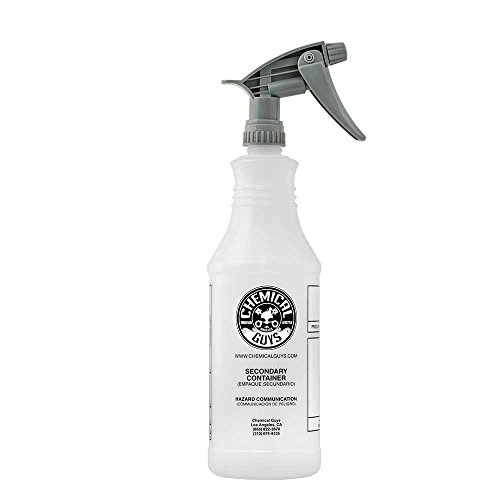
HEAVY DUTY CHEMICAL RESISTANT SPRAY BOTTLE (ACC_130): 32 oz professional sprayer built with chemical-resistant materials for home detailers and professionals using degreasers, cleaners, and concentrated formulas
Boiling Water Treatment
Boiling water serves as a quick and efficient method for killing weeds. Pouring boiling water directly onto the weed guarantees immediate results, as the intense heat destroys the plant’s cellular structure.
- Boil water in a kettle or large pot.
- Carefully pour the boiling water over the weeds, ensuring thorough coverage.
- Avoid splashing on surrounding plants to prevent unwanted damage.
This method works best on small patches of weeds and is eco-friendly, with no chemicals involved.
Vinegar as a Natural Herbicide
Vinegar can act as a powerful natural herbicide, particularly varieties with higher acetic acid concentrations. Household vinegar usually contains 5% acetic acid, while horticultural vinegar can contain up to 20%.
- Use a spray bottle to apply vinegar directly onto the leaves of the weeds, focusing on sunny days for maximum effectiveness.
- Ensure you fully saturate the leaves for the best results.
- Keep distant from desired plants, as vinegar can affect them too.
This method is great for control rather than total eradication. Regular application may be necessary for persistent weeds.
Conclusion
A weed-free garden is within your reach with the right techniques and a little dedication. Whether you choose manual methods or opt for chemical solutions remember to prioritize safety and environmental health.
Incorporating preventive measures like mulching and proper plant spacing will make a world of difference in keeping weeds at bay. Don’t forget to explore alternative methods using household items for an eco-friendly approach.
With consistent effort and the right strategies you can enjoy a thriving garden that showcases your hard work and care. Happy gardening!
Frequently Asked Questions
What are garden weeds?
Weeds are unwanted plants that grow in gardens and compete with desired plants for nutrients, sunlight, and space. They can reproduce quickly and thrive in various conditions, making them a common challenge for gardeners.
How can I identify common garden weeds?
Some common garden weeds include dandelions, crabgrass, clover, bindweed, and plantain. Each has unique characteristics that make them identifiable, and recognizing them is vital for effective removal and prevention.
What are some manual weeding techniques?
Effective manual weeding techniques include moistening the soil to ease removal, gripping the weed at its base, and pulling straight up to remove the entire root. Tools like hand weeders and hoes can enhance efficiency.
Are herbicides safe to use in gardens?
Herbicides can effectively control weeds but may pose environmental and health risks. It is crucial to read labels, wear protective gear, and follow safety precautions when using them to minimize negative impacts.
How can I prevent weed growth in my garden?
Preventive measures include using organic mulch to block sunlight, following plant spacing guidelines, and strategically grouping plants. These methods limit empty spaces where weeds can germinate and promote healthier gardens.
What are alternative methods for removing weeds?
Alternative weed removal methods include pouring boiling water on weeds or using vinegar as a natural herbicide. These eco-friendly options can effectively manage weeds without relying solely on chemical treatments.

I’ve always been drawn to trees.As a kid, I spent most of my free time outside, climbing, exploring, and trying to figure out the names of the trees around me.That early curiosity eventually led me to study arboriculture and horticulture at Michigan State.Later, I completed a degree in forestry at the University of Michigan.
I’ve been working in tree care and education ever since.These days, I enjoy helping people learn more about the trees in their own backyards.How they grow, how to care for them, and why they matter.You don’t need to be an expert to appreciate trees.A little curiosity goes a long way.