Have you ever stepped into your garden only to find your hard work ruined by pesky pests? It’s frustrating to see your plants chewed up or your flowers wilting because of unwanted visitors. You’re not alone—many gardeners face this challenge every season.
Key Takeaways
- Understanding Pests: Recognize common garden pests like aphids, slugs, and caterpillars, and identify signs of infestation, such as damaged leaves and visible insects.
- Prevention: Implement strategies like choosing resistant plant varieties and using physical barriers, such as row covers and mulch, to keep pests at bay.
- Natural Pest Control: Attract beneficial insects and use homemade remedies like soap sprays and garlic sprays to manage pests without chemicals.
- Chemical Options: Know the different types of pesticides available, including insecticides and fungicides, and use them responsibly by reading labels and applying only as needed.
- Regular Monitoring: Conduct routine inspections of your garden to catch pest issues early and maintain healthy soil to support resilient plants.
- Ongoing Maintenance: Keep soil health in check through composting and crop rotation to reduce pest appeal and ensure your garden thrives.
Understanding Garden Pests
Garden pests pose a significant challenge for many gardeners. Knowing the types of pests and their signs of infestation helps you take action early.
Types of Common Garden Pests
- Aphids: Small, soft-bodied insects that feed on plant sap. They often cluster on the undersides of leaves.
- Slugs and Snails: These mollusks graze on leaves and stems, leaving ragged holes.
- Whiteflies: Tiny, white flying insects that also suck sap from plants. They can cause yellowing leaves.
- Spider Mites: Microscopic pests that create fine webs and cause stippling on leaves.
- Caterpillars: Larval stages of moths and butterflies, they can devour entire leaves quickly.
- Fleahoppers: Tiny, jumping insects that can damage flowers and young plants.
- Damaged Leaves: Look for holes, discoloration, or curled edges.
- Visible Insects: Spotting pests directly on your plants indicates an infestation.
- Sticky Residue: A sugary substance called honeydew may appear, signaling aphids or whiteflies.
- Webs: Fine webs on plants often suggest spider mites are present.
- Droppings: Small, dark pellets on leaves or soil indicate caterpillars or other insects.
- Wilting Plants: Plants struggling to thrive may show deep stress from sucking pests.
By recognizing these types of pests and their signs, you can effectively manage your garden’s health and prevent further damage.
Prevention Strategies
You can keep pests out of your garden by implementing effective prevention strategies. These methods reduce the chances of pests taking hold, ensuring healthier plants and a more vibrant garden.
Recommended Products
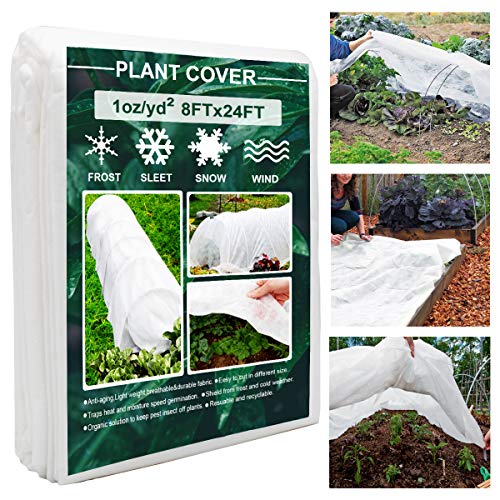
【All-Purpose Garden Plant Cover】Faraer Floating Row Cover is a polypropylene garden covers that transmits 70 percent of available light. It keeps heat in, bugs out, and is an excellent windbreak for young transplants. It allows rain and overhead irrigation to reach plants and soil. Secure with ground stakes (sold separately).

Protection Function: The raised garden bed plant protectors quickly create a closed space that protects the plants from insects, birds and animals, while also allowing sunlight air and moisture to enter, and providing a healthy environment for plant growth.
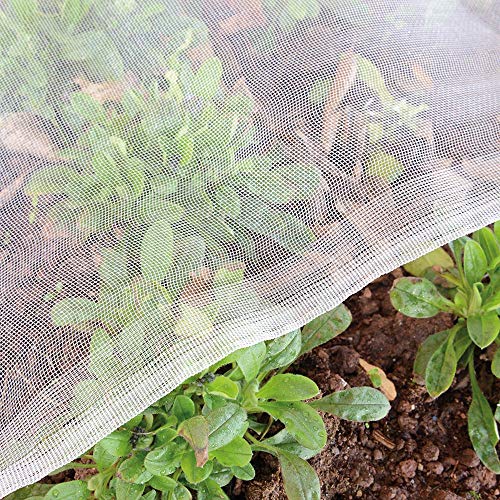
🥬Effective Bug Barrier: Protecting plants and vegetables from a wide range of pest insects and animals, such as cicadas, carrot fly and many species of aphids, you will get a healthier and happier garden
Choosing Resistant Plant Varieties
Choosing resistant plant varieties is an effective way to deter pests. Look for plants labeled as resistant to specific pests, such as nematodes or aphids. For instance, certain tomato breeds are more resistant to blight and pests. Incorporate these varieties into your garden to promote resilience. Additionally, native plants often attract beneficial insects and can withstand local pests better than non-native options.
Implementing Physical Barriers
Implementing physical barriers strengthens pest protection in your garden. Use floating row covers made from lightweight fabric to shield plants from insects while allowing sunlight and water to penetrate. Install garden nets around berry bushes to prevent birds from feasting on your fruit. Consider using copper tape to deter slugs and snails, as they avoid crossing copper surfaces. Mulching with coarse materials, such as gravel or wood chips, can also create a barrier against soil-dwelling pests.
Natural Pest Control Methods
Natural pest control methods help keep your garden healthy and thriving. Implementing these methods can reduce reliance on chemical pesticides while maintaining a vibrant ecosystem.
Recommended Products

Premium Neem Oil Plant Wash – 8 oz Bottle – Infused with neem oil and a natural blend of essential oils (tea tree, clove, sage, thyme, cedarwood, lemongrass, peppermint, garlic, and capsicum)

Protect your oasis with Captain Jack’s Neem Max Ready-to-Use Spray; this multipurpose product acts as a 4-in-1 insecticide, fungicide, miticide and nematicide

NEEM OIL SPRAY FOR PLANTS – A fast-acting, multipurpose neem spray designed for indoor plants, houseplants, and garden use. This ready-to-use plant spray combines cold-pressed neem oil with a balanced botanical blend to solve common plant care issues while supporting healthy, resilient leaves.
Beneficial Insects
Beneficial insects are nature’s allies in pest control. You can attract them to your garden by planting a variety of flowers like marigolds, daisies, and yarrow.
- Ladybugs eat aphids and other soft-bodied pests, providing natural pest management.
- Lacewings consume mites and eggs of harmful insects.
- Parasitic wasps target caterpillars and various pests by laying their eggs inside them.
Encouraging the presence of these insects promotes a balanced garden ecosystem. Avoid using broad-spectrum pesticides, as they can harm beneficial insects.
Homemade Remedies
Homemade remedies offer simple, effective solutions to pest problems. Many common ingredients can deter unwanted visitors without chemicals.
- Soap Spray: Mix 1 tablespoon of liquid soap with 1 quart of water. Spray on affected plants to eliminate aphids and spider mites.
- Garlic Spray: Blend 2 bulbs of garlic with 1 quart of water. Let it sit overnight, strain, and spray on plants. This repels many pests due to its strong scent.
- Neem Oil: Mix 2 tablespoons of neem oil with 1 quart of water. This natural pesticide disrupts the life cycle of many common pests.
These remedies are safe for plants and the environment. Apply them in the early morning or late afternoon to avoid sunburn on your plants. Regular applications keep pests at bay and promote robust growth.
Chemical Pest Control Options
Chemical pest control options can effectively address significant infestations. They come in various forms, allowing you to choose what suits your garden best.
Recommended Products

3-in-1 FORMULA: Aphid spray for outdoor plants for use on roses, flowers, shrubs and trees to control listed insects, disease and mites

FAST-ACTING FORMULA: Protects lawns, vegetables, fruit and nut trees, roses, flowers, trees and shrubs
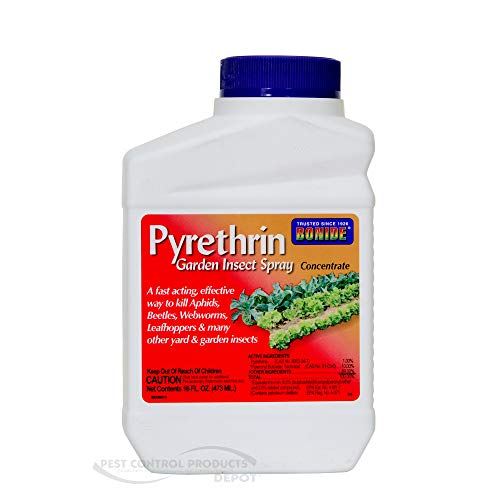
Controls Broad Range of Insects
Types of Pesticides
- Insecticides: Insecticides specifically target insects. Choices include synthetic options like pyrethroids and natural products such as insecticidal soap.
- Herbicides: Herbicides manage unwanted weeds that compete with your plants. Pre-emergent herbicides stop weed growth before it starts, while post-emergent options tackle existing weeds.
- Fungicides: Fungicides treat and prevent diseases caused by fungi. Specialized types target specific diseases, such as powdery mildew or root rot.
- Miticides: Miticides focus on controlling mite populations. They work effectively against common garden mites, like spider mites, preventing damage to your plants.
- Rodenticides: Rodenticides eliminate rodents that may be damaging your garden. Choose a bait that’s designed for outdoor use.
- Read Labels: Always read product labels carefully. They provide essential information on application rates, safety precautions, and re-entry periods.
- Wear Protective Gear: Use gloves, masks, and goggles while applying pesticides. This gear minimizes risks to your health.
- Choose the Right Time: Apply chemicals in the early morning or late evening. This timing helps reduce harm to beneficial insects and prevents evaporation.
- Target Specific Areas: Apply treatments only where pests are present. Spot-treating minimizes chemical usage, protecting the environment.
- Follow Local Regulations: Be aware of local laws regarding pesticide use. Some chemicals may have restrictions in your area.
- Store Safely: Store unused pesticides in a secure place away from children and pets. Proper storage prevents accidental exposure.
Using chemical pest control options responsibly can enhance your garden’s health while managing pest populations effectively.
Regular Maintenance Tips
Regular maintenance helps deter pests and keeps your garden thriving. Focus on monitoring and inspection, along with maintaining soil health.
Monitoring and Inspection
Check your plants routinely for signs of pest activity. Look for visible insects such as aphids or caterpillars, and examine leaves for holes or sticky residue. Use magnifying glasses to spot tiny pests like spider mites. Catching infestations early minimizes damage. Keep a record of what you find each week. This habit allows you to notice patterns and take timely action.
Soil Health and Its Impact
Healthy soil leads to robust plants that resist pests better. Test your soil annually for pH levels and nutrient content. Provide organic matter, such as compost, to improve structure and fertility. Balance nitrogen, phosphorus, and potassium levels for optimal growth. Use mulch to retain moisture and suppress weeds that attract pests. Favor crop rotation to prevent nutrient depletion and make your garden less appealing to pests over time.
Conclusion
Keeping pests out of your garden doesn’t have to be a daunting task. By understanding the types of pests you might encounter and their signs of damage you can stay one step ahead.
Incorporating resistant plant varieties and native plants will not only enhance your garden’s beauty but also attract beneficial insects that help control pest populations.
Regular maintenance and natural remedies can make a significant difference in your garden’s health. With a little effort and the right strategies you’ll create a thriving garden that’s less susceptible to pests. Happy gardening!
Frequently Asked Questions
What are the most common garden pests?
Common garden pests include aphids, slugs, snails, whiteflies, spider mites, caterpillars, and fleahoppers. Each of these pests can cause specific damage, such as holes in leaves or sticky residue, making it crucial for gardeners to identify them early.
How can I prevent pests in my garden?
To prevent pests, choose resistant plant varieties, use physical barriers like row covers, and incorporate native plants that attract beneficial insects. Implementing these strategies can help protect your plants, ensuring a healthier garden.
What are some natural pest control methods?
Natural pest control methods include promoting beneficial insects like ladybugs, using homemade remedies such as soap spray and neem oil, and avoiding broad-spectrum pesticides. These methods help maintain an ecological balance while keeping pests at bay.
When should I use chemical pesticides in my garden?
Chemical pesticides should only be used for significant infestations and should be applied responsibly. Always read labels, wear protective gear, and target specific areas to minimize environmental impact and protect beneficial insects.
Why is regular garden maintenance important?
Regular maintenance helps deter pests and promotes plant health. Monitoring for pest activity, maintaining soil health through testing and organic matter, and practicing crop rotation are all essential for sustaining a vibrant garden.

I’ve always been drawn to trees.As a kid, I spent most of my free time outside, climbing, exploring, and trying to figure out the names of the trees around me.That early curiosity eventually led me to study arboriculture and horticulture at Michigan State.Later, I completed a degree in forestry at the University of Michigan.
I’ve been working in tree care and education ever since.These days, I enjoy helping people learn more about the trees in their own backyards.How they grow, how to care for them, and why they matter.You don’t need to be an expert to appreciate trees.A little curiosity goes a long way.