Have you ever stepped into your garden only to be greeted by a sea of weeds? It’s a frustrating sight that can make even the greenest thumb feel overwhelmed. Weeds not only compete with your plants for nutrients but can also ruin the beauty of your garden.
Key Takeaways
- Understanding Weeding: Weeding is essential for maintaining plant health and garden aesthetics, as it prevents competition for nutrients, water, and sunlight.
- Types of Weeds: Familiarize yourself with annual, perennial, and biennial weeds to implement effective removal strategies tailored to each type.
- Manual vs. Chemical Weeding: Manual weeding techniques, such as hand pulling and hoeing, are eco-friendly methods, while chemical herbicides provide rapid control but require careful handling and adherence to safety guidelines.
- Preventative Measures: Strategies like mulching and using ground covers help suppress weed growth proactively and enhance the overall health and beauty of your garden.
- Best Practices: Adopt best practices for weeding, including timing, tool selection, regular maintenance, and observation of weed growth patterns for efficient management.
Understanding Weeding
Weeding involves removing unwanted plants from your garden. It’s crucial for maintaining the health and appearance of your plants.
Importance of Weeding
Weeds compete with your plants for water, nutrients, and sunlight. Their presence can stunt growth and reduce yields. Regular weeding promotes healthier plants and enhances the garden’s overall beauty. Moreover, reducing weed presence minimizes pest infestations and diseases that may affect desirable crops.
Types of Weeds
Weeds fall into three main categories:
- Annual Weeds: These weeds complete their lifecycle in one growing season. Common examples include chickweed and crabgrass. They germinate, grow, flower, and die all within a year.
- Perennial Weeds: These weeds return year after year, often spreading through roots or seeds. Examples are dandelions and thistles. Their robust root systems make them more challenging to remove.
- Biennial Weeds: These weeds require two years to complete their lifecycle. They grow foliage in the first year and flower in the second. Foxglove is a well-known example. Understanding the type of weed in your garden helps determine the best removal strategy.
Manual Weeding Techniques
Manual weeding techniques are effective ways to remove unwanted plants without the use of chemicals. They help maintain a healthy garden and improve the appearance of your plants.
Recommended Products
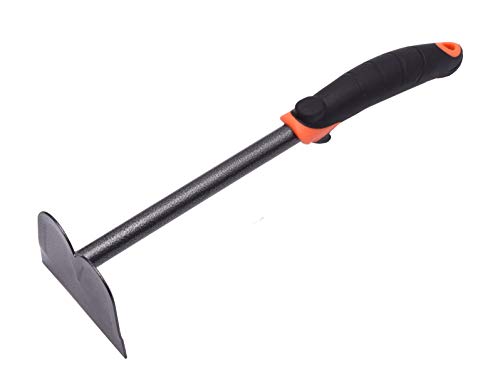
Heavy duty carbon steel garden tool does not bend or break
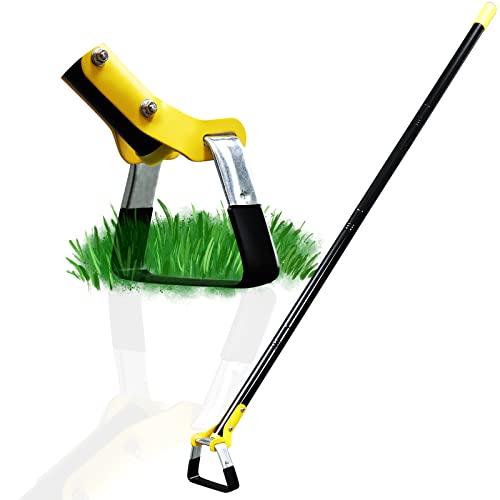
▲【Push Pull Hoe Garden Tool】Sold by DonSail US store and garden hoes are designed with push-pull motion which is safer and more efficient for weeding, cut weed roots or cultivating around live growing plants with ease.

Carbon steel blade and head for heavy duty use
Hand Pulling
Hand pulling is a straightforward and effective method for removing weeds. Grasp the base of the weed close to the soil and pull it out slowly. Aim to remove the entire root to prevent regrowth. This technique works best for smaller weeds and in areas with delicate plants.
- Timing Matters: It’s easiest to pull weeds after rain or watering when the soil is moist.
- Use Gloves: Wearing gloves protects your hands from dirt and thorny weeds.
- Stay Consistent: Regularly check and pull weeds to keep them under control.
Hoeing
Hoeing is suitable for larger areas and can quickly tackle many weeds at once. Use a hoe to slice through the soil just below the weed’s root. This disrupts the weeds and reduces their chances of growing back.
- Choose the Right Hoe: Select a hoe designed for the specific garden area. A pointed hoe works well in tight spots, while a broader one covers larger areas.
- Angle the Blade: Keep the blade at a slight angle to effectively cut through the weeds.
- Follow-Up: Inspect the area after hoeing and remove any remaining weeds by hand.
By using these manual weeding techniques—hand pulling and hoeing—you can keep your garden healthy and beautiful without relying on chemicals. Regular maintenance helps you prevent weeds from overtaking your garden space.
Chemical Weeding Methods
Chemical weeding methods involve using herbicides to control weed growth effectively. These products can target unwanted plants while minimizing harm to desirable plants when used correctly. Understanding the types of herbicides and safety precautions ensures effective and responsible gardening.
Recommended Products
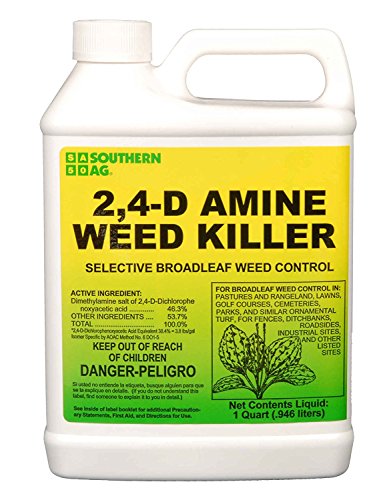
Low, economical use rate of 1 to 4 pints per acre
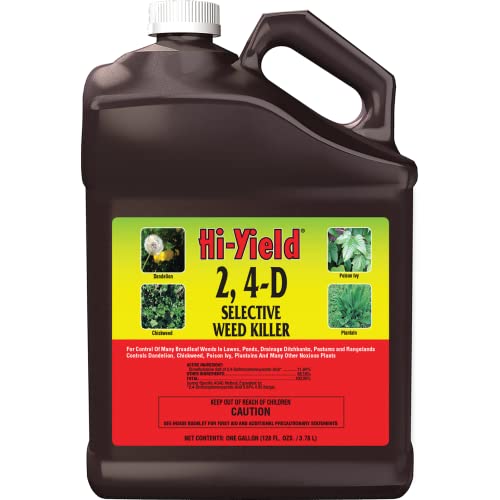
This selective weed killer kills or controls many Broadleaf Weeds and plants susceptible to 2, 4-D.

Date stamped on packaging is the Manufacturing Date, NOT an expiration date.
Herbicides Overview
Herbicides fall into two main categories: selective and non-selective. Selective herbicides target specific weed types without harming desired plants. For example, a selective herbicide may eliminate dandelions while leaving grasses untouched. Non-selective herbicides kill most vegetation they come in contact with, making them effective for total area clearance but risky in flower or vegetable gardens.
Understanding the chemical composition of herbicides is crucial. Some common active ingredients include glyphosate, 2,4-D, and dicamba, each designed for different types of weed control. The label provides vital information about application rates and timing, so always read it before usage.
Safety Considerations
Safety is essential when using chemical weed control methods. Follow these guidelines for responsible use:
- Protective Gear: Wear gloves, long sleeves, and eye protection during application. This minimizes skin contact and prevents irritation.
- Application Timing: Apply herbicides on dry days when there’s minimal wind. This reduces drift onto desirable plants and minimizes runoff.
- Proper Storage: Store chemicals in cool, dry places out of reach of children and pets. Proper storage prevents accidental exposure and preserves product effectiveness.
- Adhere to Instructions: Always follow dosage and handling instructions on the label. Over-application can harm your garden and the environment.
- Consider Natural Alternatives: If safety is a concern, look into organic herbicides or homemade solutions, such as vinegar or salt, which can provide effective control without harmful chemicals.
Using chemical weeding methods can simplify weed management. You can maintain a healthy garden by understanding herbicides and prioritizing safety.
Preventative Measures
Preventing weeds is essential for maintaining a healthy garden. Implementing effective strategies reduces the time spent weeding in the long run.
Mulching
Mulching involves covering the soil with organic or inorganic materials. Common options include straw, wood chips, or plastic. Apply a layer of mulch 2-4 inches thick around plants to block sunlight and suppress weed growth.
Choose organic mulch for added benefits, like improving soil fertility as it decomposes. For example, shredded bark not only covers the ground but also breaks down over time, enriching the soil. Ensure to replenish mulch as it decomposes or is moved by wind or rain.
Ground Covers
Using ground covers helps prevent weeds by shading the soil. Select low-growing plants, like clover or creeping thyme, to cover bare soil. These plants spread quickly and establish a dense mat, limiting the space available for weed seeds.
Plant these ground covers in areas that struggle with weeds. Not only do they suppress weeds, but they also add beauty and biodiversity to your garden. Keep the ground cover trimmed to prevent it from becoming too invasive and ensure it stays healthy.
Comparison of Techniques
Weeding techniques vary, each with its strengths and weaknesses. Understanding these can help you choose the best method for your garden.
Recommended Products

2-in-1 Multi-Purpose Garden Tool: Engineered with a dual-function head featuring a 3.75-inch rake and a sharp trapezoid hoe, this weed remover tool makes it easy to loosen compacted soil and pull weeds by the roots. The rake's sharp teeth securely grabs stubborn weeds and dandelions, helping pull them out by the roots to prevent regrowth

GARDENING ESSENTIAL: Garden weeder ideal for a variety of gardening tasks like removing invasive weeds, maintaining your herb garden, uprooting dandelions and thistles, and more to encourage overall plant health and appearance

Portable Weeding Tools :Close-range precision weeding, gap cleaning, portable and labor-saving,13.3 inches Weeder tool,It is the perfect length for a gardening tools.Adopting stainless steel polishing process,The durable handle is more comfortable to hold
Pros and Cons of Each Method
Manual Weeding
- Pros: Manual weeding is cost-effective and safe. You control which plants stay in your garden. This method is also eco-friendly, as it doesn’t rely on chemicals.
- Cons: Manual weeding can be time-consuming and labor-intensive, especially in large gardens. It may require ongoing attention and may not be effective against well-established weeds.
Chemical Weeding
- Pros: Chemical weeding effectively tackles large infestations quickly. Selective herbicides target specific weeds while preserving desirable plants, making them easier to use in mixed gardens.
- Cons: Chemicals pose safety risks and can harm beneficial insects and plants if used improperly. You must follow label instructions closely and may need to consider long-term effects on soil health.
Preventative Measures
- Pros: Methods like mulching or using ground covers proactively reduce weed growth. These techniques enhance your garden’s health and aesthetic appeal.
- Cons: Initial setup for mulching and planting ground covers requires time and investment. Some organic materials may break down quickly, requiring periodic replacement.
Best Practices
To maximize the effectiveness of your weeding efforts, consider these best practices:
- Timing: Weed after rain or irrigation when the soil is soft. This makes it easier to remove weeds with their roots intact.
- Tools: Utilize hand tools for manual weeding, like weeders or hoes, for efficiency. Make sure tools are sharp and well-maintained to promote clean cuts.
- Regular Maintenance: Schedule routine weed checks. Frequent, short sessions allow for easier management and prevent weeds from spreading.
- Observation: Keep an eye on weed growth patterns. Understanding which areas are prone to weeds can help you target your efforts effectively.
- Layering Mulch: Apply a thick layer of organic mulch (3-4 inches) in the planting beds. This will block sunlight, suppress weeds, and nourish the soil as it decomposes.
- Specify Your Ground Covers: Choose low-maintenance ground covers that are appropriate for your garden’s environment to ensure they do not become invasive.
Following these techniques and practices can lead to a healthier and more beautiful garden, free from the frustration of weeds.
Conclusion
Weeding your garden doesn’t have to be a daunting task. By understanding the types of weeds and using the right techniques you can keep your garden thriving. Whether you choose manual methods or opt for chemical solutions there’s a way that fits your style and needs.
Don’t forget about preventative measures like mulching and ground covers. They not only help reduce weeds but also enhance the beauty of your garden. Regular maintenance and a little effort can go a long way in creating a vibrant and healthy space. Enjoy the process and watch your garden flourish!
Frequently Asked Questions
What are weeds and why are they a problem in gardens?
Weeds are unwanted plants that compete with desirable garden plants for nutrients, water, and sunlight. They can stunt growth, reduce yields, and detract from the garden’s beauty, making weeding a crucial task for gardeners.
What are the main types of weeds?
Weeds are categorized into three main types: annual weeds, which complete their lifecycle in one growing season; perennial weeds, which return year after year; and biennial weeds, which require two years to grow. Understanding these types helps in choosing the right removal strategy.
What are effective manual weeding techniques?
Two primary manual weeding techniques are hand pulling and hoeing. Hand pulling involves grasping the weed at the base to remove the root, while hoeing is used for larger areas, slicing through the soil just below the root. Timing and consistency are key to effectiveness.
How do herbicides help with weed control?
Herbicides are chemicals used to control weed growth. There are two main types: selective herbicides target specific weeds without harming desired plants, while non-selective herbicides kill most vegetation they contact. Proper use and safety precautions are essential.
What are some preventative measures to reduce weeds?
Preventative measures include mulching, which blocks sunlight to suppress weed growth, and using ground covers like clover or creeping thyme, which shade the soil. These methods not only prevent weeds but also enhance soil fertility and garden beauty.
What are the pros and cons of different weeding techniques?
Manual weeding is eco-friendly and cost-effective but labor-intensive. Chemical weeding is efficient for large infestations but poses safety risks. Preventative measures like mulching and ground covers reduce weed growth but require initial effort and investment.
What are best practices for effective weeding?
Best practices include weeding at the right time, maintaining tools, regularly checking for weeds, and properly layering mulch. Following these practices helps achieve a healthier and visually appealing garden while minimizing weed frustration.

I’ve always been drawn to trees.As a kid, I spent most of my free time outside, climbing, exploring, and trying to figure out the names of the trees around me.That early curiosity eventually led me to study arboriculture and horticulture at Michigan State.Later, I completed a degree in forestry at the University of Michigan.
I’ve been working in tree care and education ever since.These days, I enjoy helping people learn more about the trees in their own backyards.How they grow, how to care for them, and why they matter.You don’t need to be an expert to appreciate trees.A little curiosity goes a long way.