Do you ever feel like your garden’s just not thriving the way you hoped? You’re not alone. Many gardeners struggle with soil that seems to hold back their plants, leaving them looking lackluster and unhealthy.
Key Takeaways
- Soil Quality is Essential: High-quality soil is crucial for strong plant growth; it influences nutrient availability, drainage, and overall plant health.
- Common Soil Issues: Key problems to monitor include compaction, erosion, nutrient deficiency, high salinity, and pH imbalance, all of which can hinder plant growth.
- Soil Testing: Conduct regular soil tests to assess nutrient levels and pH; understanding your soil’s health helps you tailor amendments and boost plant vitality.
- Enhance Soil Structure: Improve soil structure by adding organic matter and mulch, which promote aeration, drainage, and nutrient retention while supporting healthy root systems.
- Nutrient Enrichment: Use fertilizers and natural amendments like compost and aged manure to enrich soil fertility, ensuring your garden has the nutrients needed for thriving plants.
- pH Adjustment: Regularly check and adjust soil pH to maintain optimal levels (6.0 to 7.5) for nutrient absorption, crucial for healthy plant development.
Understanding Garden Soil
You can’t underestimate the role of soil quality in your garden. Healthy soil supports strong plant growth, while poor soil limits potential and diminishes results.
Importance of Soil Quality
Soil quality directly influences plant health. Nutrient-rich soil provides essential elements like nitrogen, phosphorus, and potassium. These nutrients promote vibrant growth, flowering, and fruiting. Soil texture also matters; well-draining soil prevents root rot while holding necessary moisture. A balanced pH level fosters nutrient availability and supports beneficial microorganisms. High-quality soil creates a thriving ecosystem that allows plants to reach their full potential.
Common Soil Issues
Several issues can affect soil quality. Here are some common problems to watch for:
- Compaction: Soil becomes dense and hard, reducing aeration and water infiltration. Plants struggle to develop roots in compact soil.
- Erosion: Topsoil washes away, leading to nutrient loss. This often occurs due to heavy rains or poor landscaping practices.
- Nutrient Deficiency: Insufficient nutrients affect plant growth, resulting in yellowing leaves or poor yields. Soil tests can identify specific deficiencies.
- High Salinity: Excess salts accumulate in the soil, making it difficult for plants to absorb water. This usually happens in arid regions or with over-fertilization.
- pH Imbalance: Soil pH levels outside the 6.0 to 7.0 range can limit nutrient availability and affect plant health. Testing can reveal if adjustments are necessary.
Addressing these issues leads to improved soil health, providing a better foundation for your plants to thrive.
Soil Testing
Soil testing measures the health and nutrient levels of your garden soil. This process provides valuable insights, helping you identify specific needs for your plants.
Recommended Products

Quick, at home results for Soil pH, Nitrogen, Phosphorous and Potash Innovative and inexpensive soil test kit features an easy-to-use capsule system and patented color comparators

KNOW BEFORE YOU GROW | Grow the healthiest, sustainable lawn and garden with the most accurate and easy to use professional soil test kit on the market

Comprehensive Soil Analysis: Liquid soil test kits offer a comprehensive analysis of essential soil parameters, including pH, ammonia, nitrogen, phosphorus, and potassium. Having all these measurements in one kit provides a holistic understanding of the soil's fertility and health.
Conducting a Soil Test
- Gather Supplies: You’ll need a clean container, a trowel, and a soil testing kit, which you can find at garden centers or online.
- Choose Sampling Locations: Select multiple spots in your garden, especially areas with different plant types or growth patterns.
- Collect Soil Samples: Remove the top layer of organic matter, then dig down about 6-8 inches. Collect samples from several locations to get a comprehensive view.
- Mix Samples: Combine all samples in your container, breaking up any clumps. This mixture represents your garden’s overall soil quality.
- Send for Testing: Follow the instructions on your testing kit, which may involve mailing your soil sample to a lab or using a home testing method.
- Understand Nutrient Levels: Look for key nutrients like nitrogen, phosphorus, and potassium, often marked as N-P-K. Ideal readings help you determine if your plants receive adequate nutrients.
- Check pH Levels: Soil pH affects nutrient availability. A pH of 6.0 to 7.5 suits most plants. Adjust pH with lime to raise it or sulfur to lower it, based on your test results.
- Assess Organic Matter: High organic matter means healthier soil. If results show low levels, consider adding compost or mulch to enhance fertility.
- Look for Recommendations: Most testing kits provide guidelines for amendments. Pay attention to these suggestions for tailored adjustments to improve soil quality.
Understanding your soil through testing leads to better gardening outcomes.
Improving Soil Structure
Improving soil structure is vital for creating a thriving garden. Well-structured soil promotes root growth and helps plants access nutrients and water more easily.
Adding Organic Matter
Adding organic matter enhances soil structure significantly. Incorporate materials like compost, aged manure, grass clippings, or leaf mold to enrich your soil. These components improve drainage, aeration, and nutrient retention.
- Choose the Right Organic Matter: Select materials that fit your garden’s specific needs. For instance, compost serves multiple functions, while manure adds rich nutrients.
- Apply Generously: Spread a layer of organic matter about 2-3 inches thick across your garden beds. Work it gently into the top 6-12 inches of soil.
- Repeat Regularly: Renew organic matter annually or semi-annually, depending on your garden’s requirements. Regular additions keep soil healthy.
Using Mulch
Using mulch smartly benefits your garden in several ways. Mulch helps retain moisture, suppress weeds, and improve soil structure over time.
- Select Your Mulch: Choose organic materials like bark chips, straw, or shredded leaves. These will decompose and enrich the soil.
- Apply Correctly: Spread a layer of mulch 2-4 inches deep around your plants, avoiding direct contact with stems. This prevents rot and encourages airflow.
- Maintain Mulch: Refresh mulch yearly or when it breaks down. Keeping a fresh layer supports ongoing soil health and plant vitality.
Following these steps enhances your soil structure, ensuring a robust foundation for your garden’s success.
Nutrient Enrichment
Nutrient enrichment boosts your garden soil’s fertility, enabling healthier plants. Focus on adding the right fertilizers, amendments, and natural alternatives that enhance nutrient availability and support plant growth.
Recommended Products

Organic and Natural: 100% organic composted cow manure, free from chemicals and additives.
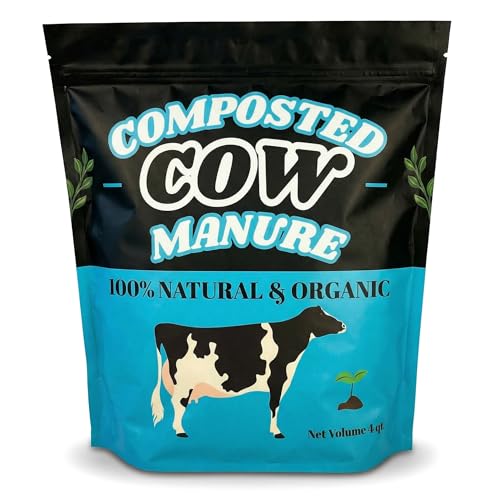
Organic and Natural: 100% organic composted cow manure, free from chemicals and additives.

Natural Soil Amendment: High-quality aged cow manure provides a natural and convenient way to amend garden soil and help roses thrive.
Fertilizers and Amendments
Fertilizers supply essential nutrients to your soil. Incorporate balanced fertilizers containing nitrogen (N), phosphorus (P), and potassium (K). Follow these steps for effective application:
- Test your soil to determine nutrient deficiencies.
- Choose a fertilizer with a balanced N-P-K ratio based on test results. For example, a fertilizer labeled 10-10-10 contains equal parts of each nutrient.
- Apply the fertilizer evenly across the soil surface and mix it in to promote absorption.
- Follow the manufacturer’s recommended application rates to prevent nutrient overload.
Amendments improve soil texture and nutrient-holding capacity. Consider adding:
- Compost: Provides a diverse range of nutrients and improves soil structure.
- Aged manure: Supplies organic matter and essential nutrients.
- Bone meal: Offers phosphorus for root and flower development.
- Kelp meal: Enhances nutrient uptake and promotes overall plant health.
Apply amendments at a depth of about 2-4 inches when preparing your garden beds. Mix them thoroughly with existing soil for the best results.
Natural Alternatives
Natural alternatives can enrich your soil without synthetic chemicals. Consider these options:
- Cover crops: Plant legumes or clover during the off-season. These plants fix nitrogen in the soil, enhancing fertility as they decompose.
- Mulch: Use organic materials, like shredded leaves or straw, to suppress weeds and retain moisture. As it breaks down, mulch adds nutrients back into the soil.
- Worm castings: Worms thrive on decomposing organic matter and produce nutrient-rich castings that improve soil health.
- Green manures: Incorporate fast-growing plants into your soil when they reach maturity, then till them in. This practice adds nutrients to the soil and improves its structure.
By focusing on these nutrient enrichment techniques, you’ll create a fertile environment, leading to healthier plants and a thriving garden.
Soil pH Adjustment
Adjusting soil pH is crucial for optimal plant growth. Soil pH affects nutrient availability and influences a plant’s overall health. Most plants thrive in a pH range of 6.0 to 7.5. Testing your soil’s pH enables you to determine necessary adjustments.
Recommended Products

Kindly NOTE: This soil tester can not be applied to test pH value of any other liquid. If the soil is too dry the indicator will not move, and water it before testing.

✅ 1Dial & 1 LCD Screen - Replace/install all 3 batteries each time. Put button to %RH/°F to - Turn On, and put to LIGHT to - Turn Off. Read the LCD results in 3-5 mins. (Not Water Moisture Meter, so, please don't test liquid)

Accurate Soil pH Testing: Dewildetradingco Soil pH Test Strips offer measurements of soil pH levels (pH 3.5-9). As an essential tool for every gardener and grower, these test strips help determine the optimal pH for various plants, such as outdoor plants, indoor plants, gardens, grass lawns, fruit trees, flowers, vegetables, and forest shrubs.
Importance of pH Levels
Soil pH directly impacts nutrient absorption. Nutrients become more available to plants at specific pH levels. For instance, nitrogen, phosphorus, and potassium are best absorbed around a pH of 6.0 to 7.0. Outside this range, certain nutrients may become deficient or toxic. Additionally, soil pH affects microbial activity, which plays a key role in decomposing organic matter and enhancing soil structure. Keeping pH levels balanced promotes a thriving ecosystem in your garden.
Methods to Adjust Soil pH
Adjusting soil pH involves several methods. Choose the appropriate method based on whether your soil is too acidic or too alkaline.
- Lime for Acidic Soil
- Apply agricultural lime (calcium carbonate) to raise pH levels.
- Use 5 to 10 pounds per 100 square feet, depending on soil test results.
- Work it into the top 6 inches of soil for best results.
- Sulfur for Alkaline Soil
- Add elemental sulfur to decrease pH levels.
- Use 1 to 3 pounds per 100 square feet based on pH testing.
- Incorporate it into the soil to ensure even distribution.
- Compost and Organic Matter
- Incorporate compost to naturally buffer soil pH.
- Regularly adding organic matter helps maintain balanced pH levels.
- Aim for a 2 to 4-inch layer of compost annually.
- Testing pH Regularly
- Conduct soil tests at least once a year to monitor pH changes.
- Adjust your amendment strategy based on test results.
- Use home testing kits or send samples to a lab for accurate measurements.
By understanding and adjusting soil pH, you promote healthy growth in your garden.
Conclusion
Improving your garden soil is an ongoing journey that pays off in vibrant plants and bountiful harvests. By understanding your soil’s unique needs and making thoughtful adjustments you can create a thriving environment for your plants. Regular testing and adding organic matter can make a world of difference.
Don’t forget to keep an eye on pH levels and nutrient balance to ensure your plants get the best possible start. With a little patience and care your garden will flourish like never before. Happy gardening!
Frequently Asked Questions
Why is soil quality important for gardening?
Soil quality is essential because it affects plant growth directly. Healthy soil provides vital nutrients, supports root development, and ensures proper drainage and aeration. Poor soil can lead to weak, unhealthy plants, making it crucial for gardeners to prioritize soil health for a thriving garden.
What are common soil issues that affect plant health?
Common soil issues include compaction, erosion, nutrient deficiencies, high salinity, and pH imbalances. These problems can hinder plant growth, making it important to identify and address them for optimal gardening results.
How can I test my soil’s health?
To test your soil’s health, gather supplies like a soil testing kit, choose sampling locations in your garden, collect and mix samples, and send them to a lab for analysis. Testing reveals nutrient levels, pH, and organic matter content, guiding your gardening efforts.
What can I do to improve soil structure?
Improving soil structure can be achieved by adding organic matter such as compost and aged manure. This enhances drainage, aeration, and nutrient retention, providing a better environment for root growth and plant health.
How do I enrich my soil with nutrients?
You can enrich your soil by applying fertilizers with a balanced N-P-K ratio based on soil test results. Additionally, use natural amendments like compost, bone meal, and cover crops to boost soil fertility without synthetic chemicals.
Why does soil pH matter for plant growth?
Soil pH is vital because it affects nutrient availability and overall plant health. Most plants thrive in a pH range of 6.0 to 7.5, so maintaining proper pH levels is crucial for maximizing nutrient uptake and ensuring healthy growth.
How can I adjust my soil’s pH?
To adjust soil pH, add lime to raise acidity in alkaline soils or sulfur to lower pH in acidic soils. Regular soil testing helps monitor pH levels, guiding your amendment strategies for optimal plant health.

I’ve always been drawn to trees.As a kid, I spent most of my free time outside, climbing, exploring, and trying to figure out the names of the trees around me.That early curiosity eventually led me to study arboriculture and horticulture at Michigan State.Later, I completed a degree in forestry at the University of Michigan.
I’ve been working in tree care and education ever since.These days, I enjoy helping people learn more about the trees in their own backyards.How they grow, how to care for them, and why they matter.You don’t need to be an expert to appreciate trees.A little curiosity goes a long way.