Are you wondering what to plant in your garden this fall? As the days get shorter and the air turns crisp, many gardeners face the challenge of transitioning their gardens for the cooler months. You might think it’s time to pack up your tools, but fall offers a fantastic opportunity to grow a variety of plants that thrive in cooler weather.
Key Takeaways
- Fall Gardening Benefits: Fall gardening provides a comfortable planting environment, enhances soil health, and increases water retention, making it ideal for various plants.
- Cool-Season Vegetables: Recommended vegetables for fall include kale, spinach, Brussels sprouts, lettuce, carrots, beets, radishes, and turnips, which thrive in cooler temperatures and can improve in flavor after frost.
- Ideal Fall Flowers: Perennials like chrysanthemums, asters, sedum, and Japanese Anemone, alongside annuals like pansies, snapdragons, calendula, and Dusty Miller, can bring vibrant color to your garden during fall.
- Soil Preparation Tips: Clear debris, amend soil with organic matter, and consider planting cover crops to improve soil health and prevent erosion during winter.
- Effective Watering Techniques: Water early in the morning, use soaker hoses or drip irrigation for deep watering, and apply mulch to retain moisture and regulate soil temperature as temperatures drop.
Importance Of Fall Gardening
Fall gardening offers unique benefits that can enhance your gardening experience. Cooler temperatures provide a comfortable environment for planting, allowing you to work without the sweltering heat of summer. Additionally, many plants thrive in these conditions, making fall an ideal time for sowing seeds and planting bulbs.
Fall gardening fills your garden with vibrant colors. Many flowers, like chrysanthemums and asters, bloom in the fall, creating a lively display. Vegetable gardeners also enjoy a bountiful harvest from cool-season crops, such as kale and Brussels sprouts, which often taste better after a frost.
Soil health improves during the fall. Planting cover crops, such as clover or rye, enriches nutrient levels and reduces soil erosion. These crops increase organic matter as they decompose, preparing the soil for spring planting.
Water retention increases in fall. The cooler air holds moisture better, reducing the need for frequent watering. This advantage helps establish new plants and supports existing ones as they prepare for winter.
By engaging in fall gardening, you set your garden up for success in the following year. Fall plantings lead to earlier blooms and nutritious harvests come spring. Embrace the opportunity to garden efficiently during this season, and reap the rewards later.
Best Vegetables To Plant
Fall gardening offers a great opportunity for planting vegetables that thrive in cooler weather. Here are some of the best choices for your fall garden.
Cool-Season Crops
Cool-season crops grow best in temperatures between 40°F and 70°F. They can withstand light frost and even improve in flavor afterward.
- Kale: This leafy green is nutrient-dense and can endure frost. Space plants 12-18 inches apart and harvest outer leaves as needed.
- Spinach: Known for its versatility, spinach germinates quickly and thrives in cooler weather. Plant in rows spaced about 12 inches apart.
- Brussels Sprouts: These take a while to mature but yield tasty, bite-sized buds. Space them 24 inches apart for optimal growth.
- Lettuce: Quick to germinate and harvest, lettuce varieties like romaine and butterhead flourish in cooler temps. Aim for a spacing of 8-12 inches.
Root Vegetables
Root vegetables are robust and flavorful, perfect for fall gardens. They can tolerate frost and even improve in taste after exposure.
- Carrots: Sown directly into loose soil, carrots should be spaced 2-4 inches apart. They can be harvested at various sizes.
- Beets: These are quick-growing and excellent for roasting or salads. Space seeds about 3 inches apart for best yield.
- Radishes: Fast-growing with a quick turnaround, radishes are ideal for fall planting. They can be ready to harvest in as little as three weeks.
- Turnips: Plant in well-drained soil with 4-6 inches between seeds. Turnips grow quickly and offer both greens and roots for harvest.
Ideal Flowers For Fall Planting
Fall offers a great opportunity to plant various flowers that bring color and life to your garden. Focus on both perennials and annuals that thrive in cooler temperatures.
Recommended Products

[Abundant Fall Blooms] Produces masses of colorful flowers from late summer through fall. Each plant yields multiple daisy-like blooms in a range of colors. Extends garden interest as other plants fade.
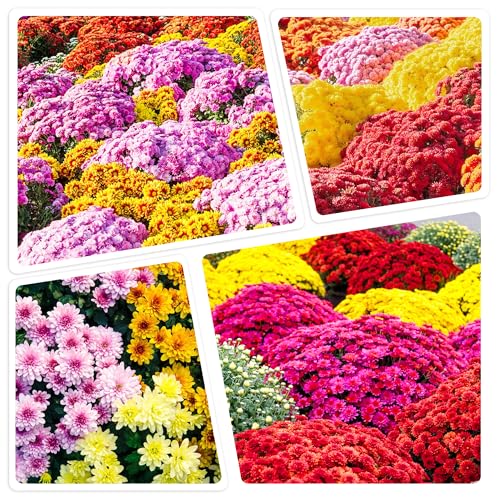
Eye-Catching Aesthetics: Features lush, multi-hued blooms with soft textures and vivid tones, instantly elevating the visual appeal of gardens, patios, or interior decor.

Dual-Purpose Garden Excellence: Strong, long stems ideal for creating stunning autumn bouquets and cut flower arrangements; Also forms stunning, dense clumps perfect for border plantings, containers, and landscape massing
Perennials
Perennials are a smart choice for fall planting. They return year after year, providing lasting beauty and benefits.
- Chrysanthemums: Known for their vibrant hues, they bloom in the fall. Mums can withstand light frosts and brighten your garden during this season.
- Asters: These daisy-like flowers add a splash of purple and blue. They attract pollinators and often bloom well into late fall.
- Sedum: Also called stonecrop, sedums feature fleshy leaves and star-shaped flowers. They are drought-tolerant, making them an easy addition to your garden.
- Japanese Anemone: With their delicate blooms, these flowers flourish in partial shade. They provide a graceful look to your garden even as temperatures drop.
Annuals
Annual flowers complete your fall garden with vibrant colors. These plants typically last only one season, but their impact is immediate.
- Pansies: These hardy flowers come in various colors and can resist light frosts. Pansies often bloom until winter, providing continuous color.
- Snapdragons: Known for their unique flower shape, snapdragons thrive in cooler weather. They can add height and interest to your fall garden.
- Calendula: Bright orange and yellow blooms make calendula a cheerful addition. These flowers are edible and attract beneficial insects.
- Dusty Miller: With silvery foliage, Dusty Miller complements other fall flowers. Its unique texture enhances the garden’s overall appearance.
Utilize these flowers to create a vibrant and resilient fall garden that will impress throughout the season.
Tips For Successful Fall Planting
Fall gardening requires specific strategies to ensure thriving plants. Focus on preparing your soil and employing effective watering techniques.
Soil Preparation
Prepare your soil by clearing debris and weeds to create an optimal planting environment. Test the soil’s pH and amend it as needed. Adding organic matter, like compost or well-rotted manure, boosts fertility and improves drainage. Incorporate these materials into the top six to eight inches of soil. This enhances structure and nutrient availability.
For added protection, consider planting cover crops, such as clover or rye. Cover crops improve soil health and prevent erosion during winter months. Finally, aerate compacted soil by using a garden fork. This increases oxygen flow to roots, essential for healthy plant growth.
Watering Techniques
Use efficient watering techniques for your fall garden. Water early in the morning to minimize evaporation and leaf mold. Aim for consistent moisture, especially for newly planted seeds and transplants. Implement soaker hoses or drip irrigation to provide deep watering at the root level.
When preparing for colder nights, mulching helps retain moisture and regulate soil temperature. Apply a layer of straw, wood chips, or shredded leaves around your plants. Check the moisture level regularly, especially in dry spells. Adjust your watering schedule based on rainfall and temperature changes to keep your plants healthy throughout the fall season.
Conclusion
Fall gardening offers you a chance to embrace the beauty and bounty of the season. With the right plants and a little preparation you can create a thriving garden that not only looks great but also sets you up for success in the spring.
Whether you’re planting vibrant flowers or delicious cool-season crops each choice adds to the charm of your outdoor space. So grab your gardening tools and enjoy the unique rewards that fall has to offer. Happy gardening!
Frequently Asked Questions
Why is fall gardening beneficial?
Fall gardening offers cooler temperatures and shorter days, which create comfortable planting conditions. It’s the ideal time for cool-season crops like kale and Brussels sprouts, which taste better after a frost. Additionally, fall planting improves soil health and prepares your garden for vibrant blooms and nutritious harvests in the spring.
What vegetables should I plant in the fall?
Great vegetables to plant in the fall include cool-season crops like kale, spinach, Brussels sprouts, and lettuce. Root vegetables such as carrots, beets, radishes, and turnips also thrive in cooler weather and develop better flavors after exposure to frost.
What flowers can I plant in the fall?
For fall planting, consider perennials like chrysanthemums, asters, sedum, and Japanese anemones, which attract pollinators and provide lasting beauty. Annuals such as pansies, snapdragons, calendula, and Dusty Miller introduce vibrant colors to your garden throughout the season.
How do I prepare my soil for fall planting?
To prepare your soil for fall planting, clear away debris and weeds, test and amend soil pH, and incorporate organic matter to improve fertility and drainage. Adding cover crops like clover or rye can also enhance soil health and prevent erosion.
What watering techniques should I use in fall gardening?
Water your fall garden early in the morning to reduce evaporation. Implement soaker hoses or drip irrigation for deep watering, and apply mulch to help retain moisture and regulate soil temperature. Regularly check moisture levels to adjust your watering schedule based on weather conditions.

I’ve always been drawn to trees.As a kid, I spent most of my free time outside, climbing, exploring, and trying to figure out the names of the trees around me.That early curiosity eventually led me to study arboriculture and horticulture at Michigan State.Later, I completed a degree in forestry at the University of Michigan.
I’ve been working in tree care and education ever since.These days, I enjoy helping people learn more about the trees in their own backyards.How they grow, how to care for them, and why they matter.You don’t need to be an expert to appreciate trees.A little curiosity goes a long way.