Are you wondering what to plant in your garden this September? As summer fades and autumn approaches, it’s the perfect time to refresh your garden and prepare for the cooler months ahead. You might find yourself with empty patches or a desire to extend your growing season.
Key Takeaways
- Optimal Planting Time: September marks a prime opportunity for planting cool-season crops like kale, spinach, and radishes, as they thrive in milder autumn temperatures.
- Soil Benefits: Cooler temperatures in September improve soil moisture retention and nutrient availability, leading to healthier plant growth when enhanced with organic matter like compost.
- Vegetable Choices: Focus on cool-season crops and root vegetables such as carrots, beets, and turnips, which grow well in September and offer better flavor as temperatures decrease.
- Flower Options: Plant vibrant perennials like asters and chrysanthemums, as well as annuals like pansies and snapdragons, to add color and beautify your garden during cooler months.
- Herbs to Grow: Cool weather herbs like basil, cilantro, and parsley can flourish in September, providing freshness and flavor for your dishes throughout the season.
- Garden Preparation Tips: Ensure proper soil preparation, spacing, and watering techniques to create an optimal environment for your plants, enhancing their growth and longevity through the fall.
Benefits Of September Planting
September planting comes with several advantages, providing opportunities for gardeners to maximize their efforts as the season changes.
Extended Growing Season
Extended growing seasons make September a prime time for planting. Many cool-season crops thrive in mild autumn weather. For example, kale, spinach, and radishes frequently reach maturity before the cold sets in. By planting these now, you can enjoy fresh produce well into fall. Additionally, some perennials gain strong root systems when established in September, enabling them to flourish in spring.
Improved Soil Conditions
Improved soil conditions make September planting effective. Summer heat often depletes soil moisture and nutrients. However, cooler temperatures in September allow for better soil retention and reduced evaporation rates. You can enhance soil health by adding organic matter, such as compost, which improves drainage and nutrient content. This preparation leads to healthier plants with stronger growth and yields, setting the stage for a successful garden throughout the remaining seasons.
Vegetables To Plant In September
September provides an ideal time for planting various vegetables as temperatures start to cool. You can take advantage of the mild weather to grow a variety of cool-season crops and root vegetables.
Recommended Products

25 Heirloom & Non-GMO Seed Varieties - Carefully selected for fall planting success, including leafy greens, root crops, brassicas, and hardy herbs.

ABUNDANT AUTUMN & WINTER HARVEST: Unlock a generous bounty of the finest autumn and winter vegetables from our carefully curated collection. Designed for fast results, effortless care, and high yields, this premium assortment allows you to plant new crops multiple times per season. Experience the joy of growing robust, cold-hardy varieties that thrive in shorter daylight hours and cooler temperatures.
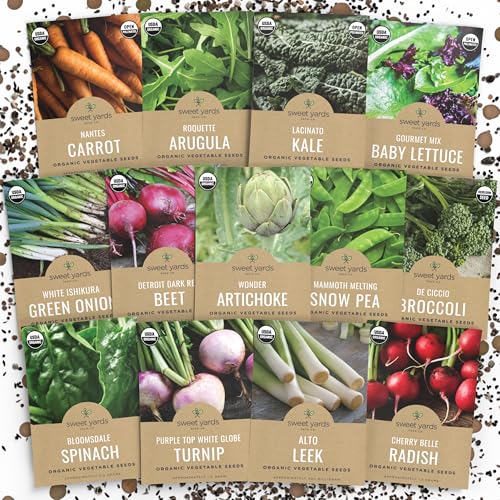
SPRING AND FALL VARIETIES SEED PACK: Enjoy the best of both seasons with this 13-pack of garden favorites! From crisp Arugula and tender Broccoli to sweet Nantes Carrots and vibrant Radishes, this collection is perfect for fresh, seasonal harvests.
Cool-Season Crops
Plant cool-season crops in September for robust growth. Options include:
- Kale: This leafy green thrives in cooler weather and is packed with nutrients. Space plants 12 to 18 inches apart.
- Spinach: Quick to sprout and harvest, spinach prefers cooler weather. Sow seeds 1/2 inch deep and keep rows about 12 inches apart.
- Lettuce: Varieties like romaine or butterhead grow well in autumn. Thin seedlings to 6 to 12 inches apart for healthy development.
- Radishes: Fast-growing and perfect for quick harvests, radishes need 4 inches of space between each seed.
- Chard: This resilient green tolerates cooler temperatures. Plant seeds 1 inch apart for optimal growth.
These crops not only withstand cooler temperatures but also grow more flavorful as the temperature drops.
Root Vegetables
September offers the opportunity to grow various root vegetables. Consider planting:
- Carrots: Enjoy sweeter flavors as the weather cools. Plant seeds 1/4 inch deep and space them 2 inches apart.
- Beets: Plant seeds 1 inch apart for a healthy crop of beets. They thrive in well-drained soil.
- Turnips: Quick to mature, turnips can be sown directly into the garden. Space seeds 4 inches apart and thin as needed.
- Parsnips: These take longer to germinate, so plant seeds 1/2 inch deep and a foot apart. They develop well in cooler weather.
Harvest these root vegetables mid-autumn for the best taste and texture.
Flowers To Consider For September
September offers a chance to plant vibrant flowers that can thrive in cooler temperatures. Planting now not only beautifies your garden but also prepares it for the changing seasons.
Recommended Products

NATIVE NORTH AMERICAN SMOOTH BLUE ASTER SEEDS: Heirloom, non-GMO open-pollinated wildflower seeds with high germination rates, adapted to USDA zones 3-8

Dual-Purpose Garden Excellence: Strong, long stems ideal for creating stunning autumn bouquets and cut flower arrangements; Also forms stunning, dense clumps perfect for border plantings, containers, and landscape massing

Dual-Purpose Garden Excellence: Strong, long stems ideal for creating stunning autumn bouquets and cut flower arrangements; Also forms stunning, dense clumps perfect for border plantings, containers, and landscape massing
Perennials
Consider planting perennial flowers that return year after year. These plants adapt well to cooler weather. Some excellent choices include:
- Asters: These daisy-like flowers bloom in various colors and attract pollinators.
- Chrysanthemums: These fall favorites bring a burst of color, available in many shades.
- Sedum: This hardy succulent features fleshy leaves and blooms in late summer and early autumn.
Ensure you prepare the soil properly, incorporating organic matter for better growth.
Annuals
You also have the option to plant annuals for quick color. These plants complete their life cycle within a year and can flourish until the first frost. Here are a few to consider:
- Pansies: Known for their vibrant colors and unique patterns, pansies can survive light frosts.
- Snapdragons: These tall, striking plants add height and color to your garden.
- Calendula: With its bright yellow and orange blooms, calendula thrives in cooler weather and is easy to grow.
Plant these annuals now to enjoy continued blooms throughout fall. Always space them appropriately to allow air circulation for healthier plants.
Herbs And Other Plants
September is a great time to plant herbs and other plants in your garden. You can take advantage of the cooler temperatures and better soil conditions to grow a variety of flavorful herbs.
Recommended Products

Extended Harvest: Slow bolt cilantro seeds (semillas de cilantro para sembrar) stay leafy longer in cool seasons. Ideal across USDA 3-11 for steady cut-and-come-again use in your herb garden and kitchen garden.

Grow Your Own Flavorful Garden Anywhere! - Enjoy fresh, aromatic cilantro in your kitchen or garden with our 500 premium heirloom seeds—perfect for home chefs and gardeners of all skill levels. Elevate your meals with USA-grown, high-quality herbs straight from your backyard.

USDA CERTIFIED ORGANIC & NON-GMO: Grow your own fresh culinary herbs with peace of mind. Our open pollinated, heirloom variety pack is 100% clean, natural, rigorously tested for germination, and proudly certified organic by Oregon Tilth.
Popular Herb Choices
- Basil: Plant basil seeds indoors and transplant them outdoors after a few weeks. Harvest leaves often for a bolder flavor.
- Cilantro: Sow cilantro seeds directly in your garden. This herb enjoys the cooler weather of autumn and grows quickly.
- Parsley: Plant parsley seeds in well-drained soil. This versatile herb thrives in cooler temperatures and can be harvested year-round.
- Chives: Transplant chive seedlings or divide existing plants in early fall. They thrive in sunny spots and can be harvested multiple times.
- Thyme: Plant thyme in a sunny area. This hardy perennial can survive winter and comes back strong each spring.
- Choose the Right Location: Select spots with at least 6 hours of sunlight. Herbs typically prefer well-drained soil.
- Prepare the Soil: Amend the soil with organic matter such as compost. This boosts nutrient availability and drainage.
- Water Wisely: Water newly planted herbs deeply but less frequently. This encourages root growth while preventing rot.
- Space Plants Properly: Allow enough space between plants for air circulation. Crowded plants can attract pests and diseases.
- Mulch: Apply mulch around the base of herb plants. Mulch helps retain moisture and keeps weeds at bay.
By following these guidelines and planting the right herbs, you’ll enjoy a vibrant and productive garden well into autumn.
Conclusion
September’s a fantastic time to breathe new life into your garden. With the cooler temperatures and improved soil conditions, you can plant a variety of vegetables, flowers, and herbs that thrive in this season. Whether you’re looking to extend your harvest or add some vibrant blooms, there are plenty of options to choose from.
Don’t forget to prepare your soil and give your plants the care they need to flourish. With a little effort, you’ll set yourself up for a bountiful autumn garden that brings joy and delicious produce right to your table. Happy gardening!
Frequently Asked Questions
What are the benefits of planting in September?
Planting in September allows for an extended growing season and takes advantage of cooler temperatures. This results in improved soil moisture retention and nutrient availability. Many cool-season crops thrive during this time, leading to healthier plants and richer harvests.
Which vegetables should I plant in September?
Ideal vegetables for planting in September include kale, spinach, lettuce, radishes, and chard. Root vegetables like carrots, beets, turnips, and parsnips can also be sown, as they benefit from cooler temperatures and can be harvested in mid-autumn.
What flowers can I plant in September?
Consider planting perennial flowers such as asters, chrysanthemums, and sedum for lasting blooms. For quick color, annuals like pansies, snapdragons, and calendula thrive in the cooler weather and can flourish until the first frost.
Should I plant herbs in September?
Yes, September is a great time to plant herbs. Popular choices include basil, cilantro, parsley, chives, and thyme. Cooler temperatures enhance growth, making this an ideal time to set up a thriving herb garden.
How can I improve my soil for September planting?
To enhance soil health, incorporate organic matter like compost. This boosts nutrient availability, improves moisture retention, and supports healthier plant growth, ensuring your garden flourishes throughout the remaining seasons.

I’ve always been drawn to trees.As a kid, I spent most of my free time outside, climbing, exploring, and trying to figure out the names of the trees around me.That early curiosity eventually led me to study arboriculture and horticulture at Michigan State.Later, I completed a degree in forestry at the University of Michigan.
I’ve been working in tree care and education ever since.These days, I enjoy helping people learn more about the trees in their own backyards.How they grow, how to care for them, and why they matter.You don’t need to be an expert to appreciate trees.A little curiosity goes a long way.