Have you ever stood in your garden and felt overwhelmed by where to place your plants? It’s a common challenge for many gardeners. With so many colors and textures to choose from, figuring out the best arrangement can seem daunting.
Key Takeaways
- Understand Your Space: Assess sunlight exposure and soil conditions to ensure optimal growth for your plants.
- Accessibility Matters: Design your garden layout for easy movement and maintenance, positioning taller plants at the back and shorter ones in front.
- Choose the Right Plants: Select a mix of annuals for immediate color and perennials for long-term stability, prioritizing native and drought-resistant varieties for sustainability.
- Apply Design Principles: Use color theory and height/texture variations to create visual harmony, ensuring diverse interest throughout seasonal changes.
- Grouping and Focal Points: Cluster plants in odd numbers for visual impact and create focal points with standout features to guide the viewer’s eye.
- Avoid Common Mistakes: Space plants according to their mature size and consider their growth habits to prevent overcrowding and ensure a thriving garden.
Understanding Your Garden Space
Understanding your garden space is crucial for arranging plants effectively. You’ll want to assess your garden’s unique conditions to ensure optimal growth and aesthetic appeal.
Assessing Sunlight and Soil Conditions
Start by observing sunlight exposure throughout the day. Different plants thrive in varying light conditions, such as full sun, partial shade, or full shade. Track sunlight patterns to identify the locations that receive ample light versus those that stay shaded.
Next, evaluate your soil quality. Check for drainage, texture, and pH levels. Conduct a simple soil test using a kit from a garden center. This helps you determine whether your soil is sandy, clayey, or loamy. Each type supports different plant species, so choose plants that suit your soil conditions.
Planning for Accessibility and Maintenance
Consider accessibility when arranging your garden. Design pathways that allow for easy movement between areas. Use materials like gravel, stones, or paving slabs to create stable surfaces. Ensure your plants are reachable for watering, pruning, and harvesting.
Think about plant height and spread. Position taller plants at the back of borders and shorter ones at the front. This arrangement allows sunlight to reach all plants with minimal obstruction. Additionally, group plants with similar care needs together, simplifying maintenance tasks.
Choosing the Right Plants
Choosing the right plants is essential for a thriving garden. Assess your garden’s conditions and preferences to make informed decisions that enhance both beauty and functionality.
Recommended Products

DROUGHT TOLERANT WILDFLOWER SEEDS: Create a colorful, water-wise garden with a carefully selected mix of heat-tolerant annual and perennial wildflowers that thrive in dry conditions and western landscapes. Ideal for low-water gardens, xeriscapes, and sunny areas.

Airy Pink-Purple Blooms – Creates a cloud-like display of delicate flowers in late summer and early fall.
Annuals vs. Perennials
Annuals bloom for one growing season, providing vibrant colors quickly. They’re ideal for seasonal displays and can be easily replaced each year for variety. For example, marigolds and petunias bloom profusely and bring instant color to your garden beds.
Perennials, however, last for multiple years. They require less maintenance once established. Examples include lavender and daylilies, which return each spring. Mixing both types creates a dynamic garden that provides seasonal interest. Use annuals for immediate impact and perennials for long-term structure.
Selecting Native and Drought-Resistant Plants
Native plants thrive in your local climate and soil, requiring less water and care. For instance, if you live in a dry region, opting for plants like echinacea or black-eyed Susans can reduce water use and maintenance.
Drought-resistant plants offer reliable performance during hot, dry spells. Varieties like succulents or ornamental grasses require minimal watering, making them perfect for gardeners seeking low-maintenance options. Prioritize these plants to create a sustainable garden that’s both beautiful and environmentally friendly.
Principles of Plant Arrangement
Arranging garden plants requires careful thought about aesthetics and functionality. Focus on key principles to create a harmonious and thriving garden.
Color Theory in Gardening
Color plays a vital role in plant arrangement. Use complementary colors to create striking contrasts or analogous colors for a soft, cohesive look.
- Choose vibrant colors: Use bold colors like reds, oranges, and yellows to draw attention.
- Incorporate muted colors: Use whites, blues, and greens for balance and calmness.
- Create focal points: Use standout plants, such as vibrant flowers, as focal points to guide the eye.
- Plan seasonal shifts: Select plants that bloom in different seasons to ensure changing color throughout the year.
Height and Texture Considerations
Height and texture add depth and character to your garden. Consider these elements for a well-structured design.
- Vary plant heights: Place taller plants at the back or center, medium plants in the middle, and short plants in front. This allows all plants to receive sunlight.
- Mix textures: Combine plants with different leaf shapes and sizes. For example, pair spiky succulents with broad-leaved ferns for dynamic interest.
- Use layering techniques: Group plants in layers to create a three-dimensional look. This enhances visual appeal and maximizes space.
- Plan for seasonal changes: Choose plants with varying textures that change throughout the seasons, like grasses that sway in the wind or perennials that wilt gracefully.
By applying these principles, you can effectively arrange garden plants to create an inviting and vibrant outdoor space.
Techniques for Arranging Garden Plants
Arranging garden plants effectively enhances the visual appeal of your outdoor space. By employing specific techniques, you can create a harmonious and engaging garden layout.
Recommended Products

EASYFLEX DECORATIVE NO-DIG LANDSCAPE EDGING: Get a beautifully landscaped yard without all the work of a dig-in lawn edging; simple installation without trenches or shovels

SHIPMENT CONTAINS: One 5 inch x 40 foot brown flexible landscape edging coil with 10 matching stakes for securing garden borders

Quality Metal Material: Our galvanized garden edge is processed using high-precision CNC technology, ensuring accuracy down to every millimeter. Innovative 3D ripple design not only enhances the aesthetic appeal of the fence but also strengthens its structural integrity.
Grouping Plants for Visual Impact
Group plants in clusters for a more striking appearance. By using odd numbers, such as three, five, or seven, you create a natural look that draws the eye. Mix plants with different heights and textures within these groups to add depth. For example, place taller plants like sunflowers at the back of a border while positioning shorter ones like marigolds in front. This tiered approach allows both tall and short plants to shine.
Additionally, consider color when grouping plants. Pair warm-colored plants like red petunias with cooler ones like blue lobelias to make each color stand out. Grouping similar plants together in a single color can create a stunning monochromatic effect, providing visual unity that’s especially appealing in larger gardens.
Creating Focal Points and Pathways
Create focal points to guide the viewer’s attention. Use standout features like a large ornamental tree, a colorful flower arrangement, or a decorative sculpture. Position these focal points at the end of pathways or at various vantage points in your garden. This encourages exploration and adds intrigue.
Design pathways that facilitate easy access and movement. Use materials like gravel, stepping stones, or mulch to define these paths clearly. Ensure pathways are wide enough to accommodate maintenance activities, like weeding or watering. Draw paths that curve, as they often create a sense of mystery, leading visitors on a scenic journey through your garden.
By strategically grouping plants and establishing focal points paired with well-defined pathways, you enhance both the functionality and beauty of your garden.
Common Mistakes to Avoid
Arranging garden plants can lead to mistakes that undermine your efforts. Here are key pitfalls to avoid for a thriving garden.
Recommended Products

MADE FROM 65% RECYCLED PLASTIC - Reusable so you can reduce waste; supports the move toward a sustainable future whether using as indoor plant support, or replacing garden wire in the yard
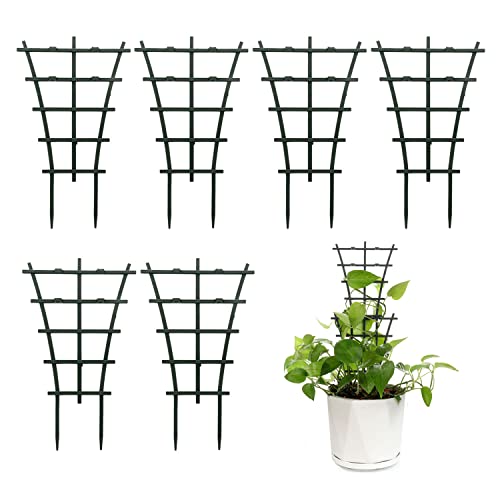
【Upgarded New Version】Our plant trellis is upgraded with high quality new material, increase the weight by 31%, reinforced to be more sturdier, providing stronger support for your potted plants

Sturdy and Easy to Use: Crafted from premium, durable materials, our 2-pack of 48-inch moss poles empowers your climbing plants with reliable support while ensuring hassle-free installation
Overcrowding Your Garden
Overcrowding diminishes airflow and light, stunting plant growth. Space plants according to their mature size, not just the current size. For instance, if a perennial requires three feet of space when fully grown, make sure to plant them accordingly. Using a planting guideline helps. Group larger plants together while leaving enough room for smaller ones. This approach ensures that all plants thrive without competing for resources.
Ignoring Plant Growth Habits
Ignoring plant growth habits creates long-term issues. Pay attention to whether plants spread or stay compact. Some plants expand rapidly, while others grow slowly. For example, groundcovers spread quickly and can overshadow smaller flowers if not placed wisely. Research each plant’s growth rate and mature size. Create a visual map before planting to avoid unexpected overcrowding later. Additionally, think about sun and water needs; grouping plants with similar requirements helps maintain a balanced garden.
Conclusion
Arranging your garden plants can be a rewarding journey that transforms your outdoor space into a vibrant oasis. By understanding your garden’s unique conditions and incorporating thoughtful design principles, you can create a stunning landscape that thrives year after year.
Remember to mix annuals and perennials for continuous color and choose native plants that suit your local climate. Keep accessibility in mind while planning pathways and focal points that invite exploration. With a little creativity and attention to detail, you’ll cultivate a garden that reflects your personal style and brings joy to your everyday life. Happy gardening!
Frequently Asked Questions
What is the main challenge gardeners face when arranging plants in a garden?
Many gardeners struggle with deciding where to place their plants due to the overwhelming variety of colors and textures available. Understanding the unique conditions of their garden, such as sunlight exposure and soil quality, can help simplify the arrangement process.
How do I assess my garden’s sunlight exposure?
To assess sunlight exposure, observe the light patterns throughout the day. Take note of areas that receive full sun, partial shade, or full shade. This information will guide your plant selection, ensuring you choose plants that thrive in your garden’s specific light conditions.
Why is soil testing important for gardening?
A soil test is crucial because it reveals the type of soil present and its nutrient levels. Knowing your soil quality helps you select the right plants and determine the necessary amendments for optimal growth, leading to a healthier garden.
What is the difference between annuals and perennials?
Annuals complete their life cycle in one growing season and provide vibrant color quickly, while perennials come back year after year, offering long-term structure with less maintenance once established. Mixing both types can enhance your garden’s beauty and sustainability.
What are native and drought-resistant plants?
Native plants are those that naturally grow in your region, making them well-suited for local climates. Drought-resistant plants are adapted to survive with minimal water. Choosing these plants can create a sustainable garden that requires less maintenance and water.
How can I apply color theory in my garden arrangement?
You can apply color theory by using complementary or analogous colors for visual interest. Consider planning for seasonal shifts to maintain vibrant colors throughout the year, creating a dynamic and engaging garden space.
What are key principles for arranging plants in a garden?
Key principles include varying plant heights and textures, using odd-numbered groupings for a natural look, and creating focal points like ornamental trees or sculptures. This enhances the visual appeal and functionality of your garden.
How can I avoid overcrowding my garden plants?
To avoid overcrowding, space plants according to their mature size and group larger plants together while allowing room for smaller varieties. Researching each plant’s growth habit and creating a planting map beforehand can also prevent overcrowding issues.
What materials work best for garden pathways?
Gravel, stepping stones, or other natural materials are excellent choices for garden pathways. Curved paths create a sense of mystery and can enhance the overall design, making it more inviting and functional for garden access.

I’ve always been drawn to trees.As a kid, I spent most of my free time outside, climbing, exploring, and trying to figure out the names of the trees around me.That early curiosity eventually led me to study arboriculture and horticulture at Michigan State.Later, I completed a degree in forestry at the University of Michigan.
I’ve been working in tree care and education ever since.These days, I enjoy helping people learn more about the trees in their own backyards.How they grow, how to care for them, and why they matter.You don’t need to be an expert to appreciate trees.A little curiosity goes a long way.