Have you ever stared at your garden and wondered which plants are friends and which are foes? It can be frustrating to see your beautiful flowers or veggies struggling next to pesky weeds. Knowing how to identify these unwanted intruders is essential for keeping your garden healthy and thriving.
Key Takeaways
- Understanding Weeds: Weeds are unwanted plants that compete with your garden for resources, causing harm to desirable plants by overshadowing them and reducing growth.
- Common Weeds: Familiarize yourself with common garden weeds like dandelions, crabgrass, thistles, chickweed, and plantain, which can easily invade and disrupt your garden.
- Identification Techniques: Utilize traits such as leaf shape, growth pattern, flower characteristics, and root system to effectively identify and differentiate weeds from your desired plants.
- Resources for Help: Leverage gardening books, mobile apps, online databases, and local extension services to aid in the accurate identification of weeds in your garden.
- Preventative Measures: Implement strategies such as mulching, maintaining healthy soil, proper plant spacing, consistent watering, and using cover crops to prevent weed growth before it starts.
- Effective Weed Management: Employ techniques like hand pulling, hoeing, using boiling water, and if necessary, targeted herbicides to manage and control weed populations in your garden effectively.
Understanding Weeds
Identifying weeds is essential for effective garden management. Understanding their characteristics helps distinguish them from desirable plants.
Definition of Weeds
Weeds are unwanted plants that compete for resources in your garden. They typically grow rapidly and vigorously, often overshadowing or choking out your flowers and vegetables. Common weeds include dandelions, crabgrass, and thistles. These plants thrive in various environments, making them prevalent in gardens.
Reasons Weeds Are Problematic
Weeds pose several issues for gardeners:
- Competition for Resources: Weeds compete with your plants for sunlight, water, and nutrients, leading to poor growth of desired plants.
- Pest Habitat: Some weeds attract pests, which can harm your garden by damaging your crops.
- Disease Spread: Weeds can harbor diseases that affect your plants, decreasing overall health and yield.
- Soil Degradation: Weeds can alter soil structure and nutrient availability, negatively impacting the ecosystem of your garden.
Recognizing these issues underscores the importance of identifying and managing weeds effectively.
Identifying Common Weeds
Identifying weeds in your garden helps protect your plants. Knowing how to spot these intruders makes it easier to manage them effectively.
Recommended Products

LAWN FRIENDLY FORMULA: Our lawn friendly weed killer spray formula contains three proven ingredients that specifically target common lawn weeds, so it won't harm your grass (when used as directed)
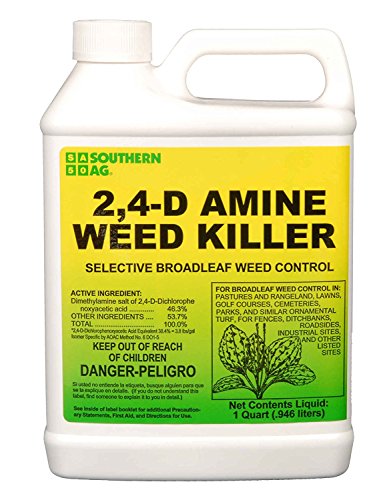
Low, economical use rate of 1 to 4 pints per acre
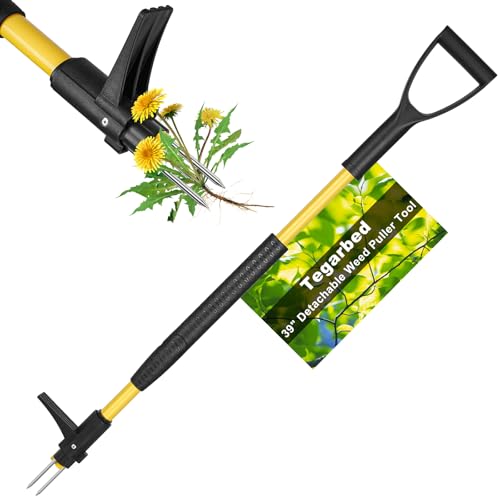
Standing Design, No Bending: 39" long handle lets you weed standing up without bending or kneeling, reduces back and knee strain during long garden sessions
Common Weeds in the Home Garden
- Dandelions: Recognizable by their yellow flowers and jagged leaves. They thrive in sunny areas and can quickly spread.
- Crabgrass: A grassy weed with wide, flat blades. It often appears in thin lawns and grows rapidly during the summer.
- Thistles: Characterized by spiny leaves and purple flowers. They can take over garden space if left unchecked.
- Chickweed: Features small white flowers and a creeping growth habit. It often pops up in cooler weather, crowding out desirable plants.
- Plantain: Identified by its broad leaves and tall flower spikes. It can tolerate various soil conditions, making it common in many yards.
- Fast Growth: Weeds often grow quicker than desired plants, making them competitive for resources.
- Hardiness: Many weeds adapt to various conditions, thriving in poor soil or drought.
- Seed Production: Weeds produce numerous seeds, ensuring their continuation even after removal.
- Deep Roots: Some weeds establish deep root systems, making them hard to eliminate completely.
- Nutrient Competition: Weeds absorb vital nutrients, leaving less for your flowers and vegetables.
Recognizing these weeds and their characteristics allows effective management strategies, ensuring a healthier garden environment.
Techniques for Identifying Weeds
Identifying weeds in your garden involves a few practical techniques that focus on plant traits and available resources. These methods help you differentiate between unwanted plants and the flowers or vegetables you’re growing.
Recommended Products

Identify any plant instantly using your camera with AI-powered recognition


In-depth Guide to edible plants
Observing Plant Traits
Observing traits helps you recognize weeds quickly. Look for:
- Leaf Shape and Size: Weeds like dandelions have broad leaves, while crabgrass features narrow, elongated blades.
- Growth Pattern: Many weeds grow close to the ground. For instance, chickweed forms dense mats that smother other plants.
- Flower Characteristics: Some weeds, such as thistles, produce distinct flowers. Identifying these can clarify if a plant is a weed.
- Root System: Deep taproots, like those of dandelions, make some weeds difficult to remove completely. Understanding root types helps you manage them better.
Resources for Identification
Utilizing resources makes weed identification simpler. Consider these options:
- Gardening Books: Reference guides provide pictures and descriptions of common weeds.
- Mobile Apps: Apps like PlantSnap or PictureThis allow you to take photos of plants and receive instant identification.
- Online Databases: Websites like the USDA PLANTS Database offer searchable lists of weeds with growth habits and traits.
- Local Extension Services: Many universities have resources specific to your region. They can offer help based on local weed populations.
By focusing on these techniques and resources, you can effectively identify and manage weeds in your garden.
Managing Weeds in Your Garden
Managing weeds requires a proactive approach. You’ll find success in using preventative measures and effective removal techniques.
Preventative Measures
- Mulching: Apply a thick layer of organic mulch, such as wood chips or straw, around your plants. Mulch blocks sunlight, inhibiting weed growth and retaining soil moisture.
- Healthy Soil: Maintain good soil health by adding compost. Healthy soil supports the growth of desirable plants, making it harder for weeds to establish.
- Proper Plant Spacing: Space your plants closer together. This creates a dense canopy that competes with weeds for sunlight and nutrients.
- Regular Watering: Water your garden consistently. This promotes the growth of your plants while discouraging weed establishment, as many weeds thrive in dry conditions.
- Cover Crops: Use cover crops during the off-season. These plants can enrich soil and suppress weed growth, keeping your garden healthier overall.
- Hand Pulling: For small infestations, pull weeds by hand, ensuring to include the root. This prevents regrowth and keeps your garden tidy.
- Hoeing: Use a hoe to cut weeds at the soil surface. This technique is effective for larger areas and reduces competition for resources.
- Mulching Again: If weeds persist, apply more mulch. This extra layer can smother remaining weeds and reduce future growth.
- Boiling Water: Pour boiling water on stubborn weeds. This method rapidly kills weeds without chemicals, though caution is necessary to avoid damaging nearby plants.
- Herbicides: As a last resort, consider using chemical herbicides. Opt for targeted applications and follow instructions carefully to minimize harm to desired plants and the environment.
By implementing these management strategies, you’ll create a more welcoming space for your plants while keeping troublesome weeds at bay.
Conclusion
Identifying weeds in your garden doesn’t have to be a daunting task. With a little practice and the right resources, you can easily distinguish between the plants you want and those you don’t.
By paying attention to their unique traits and growth habits, you’ll gain confidence in managing your garden. Remember that a proactive approach will not only help keep weeds at bay but also promote the health of your beloved plants.
So roll up your sleeves and enjoy the process of nurturing your garden. You’ve got this!
Frequently Asked Questions
What are beneficial plants in a garden?
Beneficial plants are those that contribute positively to the garden ecosystem. They provide essential resources like food and cover for beneficial insects, improve soil health, and can even help repel harmful pests. Examples include certain herbs, flowering plants, and legumes.
How do I identify common garden weeds?
To identify common garden weeds, pay attention to their leaf shape, size, and growth patterns. Common weeds like dandelions, crabgrass, and thistles usually have distinct characteristics, such as deep roots and fast growth, which help them outcompete desirable plants.
What damage can weeds cause in my garden?
Weeds can compete with your flowers and vegetables for sunlight, water, and nutrients, leading to poor growth and yield. They may also attract pests, spread diseases, and degrade soil quality, negatively impacting the overall health of your garden.
What techniques can help me manage weeds?
Effective weed management includes preventative measures like mulching, maintaining healthy soil, and ensuring proper plant spacing. For removal, methods such as hand pulling, hoeing, and using boiling water can be effective, alongside targeted herbicide applications as a last resort.
Are there resources to help identify weeds?
Yes! There are various resources available for identifying weeds, including gardening books, mobile apps, online databases, and local extension services. These tools can help you accurately recognize and manage weeds in your garden.
How can I prevent weed growth in my garden?
To prevent weed growth, practice regular mulching, maintain healthy soil, and consider using cover crops. Adequate plant spacing and proper watering techniques also play a critical role in minimizing the chance for weeds to thrive alongside your desired plants.

I’ve always been drawn to trees.As a kid, I spent most of my free time outside, climbing, exploring, and trying to figure out the names of the trees around me.That early curiosity eventually led me to study arboriculture and horticulture at Michigan State.Later, I completed a degree in forestry at the University of Michigan.
I’ve been working in tree care and education ever since.These days, I enjoy helping people learn more about the trees in their own backyards.How they grow, how to care for them, and why they matter.You don’t need to be an expert to appreciate trees.A little curiosity goes a long way.