Have you ever wondered what to do with all those kitchen scraps and yard waste piling up? You’re not alone. Many gardeners face the challenge of managing waste while trying to enrich their soil. Composting is an easy and effective solution that turns your organic waste into nutrient-rich compost, perfect for your garden.
By learning how to compost, you’ll not only reduce landfill waste but also boost your plants’ growth and health. This article will guide you through the simple steps to start composting right in your backyard. Get ready to transform your waste into a valuable resource that benefits both your garden and the environment.
Key Takeaways
- Composting Basics: Composting is the natural breakdown of organic materials, transforming kitchen scraps and yard waste into nutrient-rich compost, essential for garden health.
- Benefits of Composting: Composting improves soil health, reduces landfill waste, saves money on fertilizers, prevents soil erosion, and promotes robust plant growth.
- Materials for Composting: A balanced mix of green materials (high in nitrogen) and brown materials (high in carbon) is crucial for effective composting; aim for a 2:1 ratio.
- Composting Process: Regularly turn your compost pile every 2 to 4 weeks to promote aeration and moisture balance, which enhances decomposition.
- Common Issues: Address odors and pests by ensuring the right balance of compost materials, maintaining moisture levels, and keeping unwanted items like meat or dairy out of the compost.
- Using Compost: Apply compost to garden beds by mixing it into the topsoil or using it as a side dressing for established plants, while regularly reapplying every 4-6 weeks for optimal growth.
Understanding Composting
Composting transforms organic waste into rich soil. This process nurtures your garden, reduces trash, and recycles nutrients.
What Is Composting?
Composting is the natural breakdown of organic materials through microbial activity. It involves turning kitchen scraps and yard waste, like fruit peels and grass clippings, into compost, a dark, crumbly substance. The process requires a mix of green materials, rich in nitrogen (such as vegetable scraps), and brown materials, high in carbon (like dried leaves). Proper aeration and moisture make decomposition efficient.
Benefits of Composting in Your Garden
Composting offers numerous benefits that enhance both plant health and garden sustainability. Key advantages include:
- Nutrient-Rich Soil: Compost brings essential nutrients to your garden. It improves soil structure, water retention, and microbial activity.
- Waste Reduction: Composting reduces waste sent to landfills. It diverts food scraps and yard waste, contributing to a healthier environment.
- Cost Savings: Using compost reduces the need for chemical fertilizers. By creating your own compost, you save money and promote a more organic gardening approach.
- Soil Erosion Prevention: Improving soil health with compost helps prevent erosion. Healthy soil supports plant roots and stabilizes your garden.
- Improved Plant Growth: Compost encourages vigorous plant growth, resulting in more abundant and healthier fruits and vegetables.
With these benefits in mind, composting becomes a valuable practice in maintaining a thriving garden.
Getting Started with Composting
Starting your composting journey involves a few key steps. Follow these guidelines to establish an effective composting system in your garden.
Recommended Products

Converting organic waste into nutrient-rich garden materials has created a year-round outdoor fine composting system, optimizing horticultural practices and promoting environmental protection

Twin chambers: Two separate chambers allow one side to finish composting while leaving the other side available to add fresh wastes; Constant alternation of the two sides will create an uninterrupted stream of nutritious compost

Efficient composting: The worm composting bin is ventilated 360 degrees to increase air circulation and ensure smooth heat dissipation. Provides a comfortable environment to increase composting efficiency, it helps worms break down food waste and garden waste more efficiently so your plants and flowers can thrive
Choosing the Right Location
Select a spot that’s convenient for you yet offers good drainage and sunlight. Your compost bin or pile should be at least three feet away from fences or structures to allow for airflow. Aim for a location that’s easily accessible for adding materials and turning the pile but shielded from harsh winds to retain moisture. If you have limited space, a corner of your yard works. If you prefer discreet options, consider locating it near existing shrubs or plants.
Selecting a Compost Bin or Pile
Opt for compost bins or piles based on your space and needs. You can choose from various types of bins, such as:
- Plastic Bins: Lightweight and usually have aeration holes, ideal for quick composting.
- Wooden Bins: Sturdy and customizable, they allow for airflow while blending into the garden.
- Wire Bins: Simple and affordable, they offer excellent ventilation but may not retain heat as well.
If using a pile, build it in layers about three feet high. Start with coarse materials like twigs to improve drainage at the bottom, then alternate between green and brown materials. This method aids aeration and decomposition.
Remember, maintaining an ideal balance of moisture and air flow is crucial for successful composting. Regularly check the compost to ensure it’s moist but not soggy. Turning it every few weeks speeds up the breakdown process.
Materials for Composting
Composting relies on a mix of various materials that provide the right balance for effective decomposition. Understanding the difference between green waste and brown waste is essential for creating nutrient-rich compost.
Green Waste vs. Brown Waste
Green waste includes materials high in nitrogen. Examples include:
- Fruit and vegetable scraps
- Coffee grounds
- Grass clippings
- Fresh plant trimmings
Brown waste consists of materials rich in carbon. Examples include:
- Dried leaves
- Straw
- Wood chips
- Shredded newspaper
For optimal compost, aim for a ratio of about 2 parts brown waste to 1 part green waste. This balance promotes effective microbial activity, speeding up the composting process.
What to Include and Exclude
When composting, include:
- Kitchen scraps: waste from fruits, vegetables, eggshells, and coffee grounds
- Yard waste: grass clippings, leaves, and small branches
- Paper products: shredded cardboard and uncoated paper
Avoid adding:
- Meat, bones, and dairy products: these attract pests and create odors
- Oils and fats: they disrupt microbial activity
- Excessive citrus: high acidity can hinder the composting process
- Weeds and diseased plants: they may introduce unwanted pests or pathogens
Selecting the right materials can significantly enhance the effectiveness of your composting efforts. Use this guidance to create a robust compost pile that enriches your garden soil.
The Composting Process
The composting process involves several important steps that ensure the effective breakdown of organic materials. Understanding how to manage these steps is key to creating rich compost for your garden.
Turning Your Compost
Turning your compost promotes even decomposition. Use a pitchfork or shovel to turn the pile every 2 to 4 weeks. This helps incorporate air and distributes moisture and heat throughout the compost. Aerating the compost accelerates microbial activity, speeding up the process. Pay attention to temperature; a well-aerated compost pile can reach 130°F to 160°F, which aids in breaking down materials.
Maintaining Moisture and Aeration
Moisture and aeration are critical for healthy composting. Aim to keep the compost pile damp but not soggy, similar to a wrung-out sponge. If it dries out, sprinkle water on it while turning to restore moisture. Conversely, if it’s too wet, add more brown materials to absorb excess moisture. Good airflow is essential; the larger the pile, the more you need to turn it. A well-maintained balance of moisture and aeration leads to efficient decomposition and high-quality compost.
Troubleshooting Common Composting Issues
Composting can sometimes face challenges. Addressing these common issues helps ensure your compost remains effective and beneficial for your garden.
Recommended Products

【Powerful Odor Control for Trash Cans】 Keep unpleasant garbage odors under control with these deodorizing granules. Designed to help reduce strong smells from kitchen trash cans, outdoor bins, garage containers, and recycling bins, leaving your space smelling fresher day after day.

POWERFUL ODOR ELIMINATOR FIGHTS SMELLS AT THE SOURCE: BEEST’s outdoor trash can deodorizer odor eliminator uses biodegradable cellulose granules to neutralize foul smells and soak up leaks, spills, and waste at the bottom of bins and dumpsters.
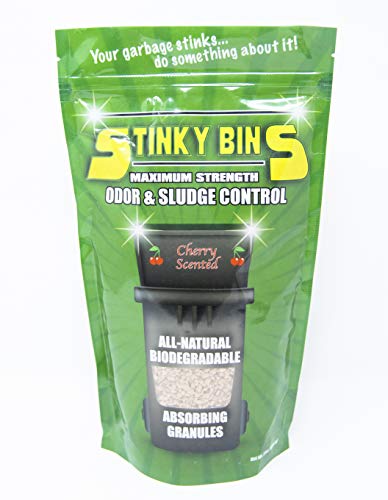
Eliminates Garbage Odors in Bins and Dumpsters – Neutralizes strong trash smells caused by food waste, pet waste, coffee grounds, and rotting liquids in garbage cans, dumpsters, compost bins, outdoor trash containers, and recycling bins
Odor Problems
Odor issues often arise from an imbalance in your compost materials. If your compost smells foul, it likely has too many green materials, which are high in nitrogen. To remedy this, add more brown materials like dried leaves or straw. Ensuring proper aeration by turning the pile every 2 to 4 weeks also reduces bad smells. If odors persist, check moisture levels. Compost should feel damp, similar to a wrung-out sponge. If it’s too wet, add dry brown materials to soak up excess moisture.
Pests and Rodents
Pests and rodents can be a nuisance in compost bins. To minimize their presence, avoid adding meat, dairy, and oils to your compost. These materials attract unwanted animals. Use a well-sealed compost bin, or cover your pile with a secure lid or a layer of brown materials. Regularly turning the compost not only accelerates decomposition but also disturbs any pests, encouraging them to leave. If you find pests despite these measures, consider using deterrents like cayenne pepper sprinkled around your compost area.
Using Compost in Your Garden
Compost acts as a natural fertilizer that enriches soil and promotes healthy plant growth. Understanding how to apply compost and knowing the best plants for its enrichment optimizes its benefits in your garden.
How to Apply Compost
- Prepare Your Garden Bed: Spread a layer of compost about 1-2 inches thick on top of your soil.
- Mix It In: Use a garden fork or tiller to incorporate the compost into the top 6-12 inches of soil.
- Apply Around Plants: For established plants, apply compost as a side dressing. Keep it about 2-4 inches away from the plant’s base to avoid over-saturation.
- Watering: Lightly water the compost after application to help it settle and activate microbial activity.
- Frequency: Reapply compost every 4-6 weeks during the growing season to maintain nutrient levels.
- Vegetables: Broccoli, tomatoes, and peppers benefit from compost due to their high nutrient needs.
- Fruits: Strawberries, blueberries, and squash thrive in nutrient-rich conditions provided by compost.
- Flowers: Annuals like marigolds and zinnias flourish when compost is mixed into the soil.
- Perennials: Plants like echinacea and hostas show improved growth and blooming with compost enrichment.
Using compost fosters a thriving garden, enhances soil structure, and supports sustainable gardening practices.
Conclusion
Composting is an enjoyable and rewarding way to turn your kitchen scraps and yard waste into something beneficial for your garden. By following the simple steps outlined in this post you’ll not only reduce waste but also create rich compost that enhances your soil and promotes healthy plant growth.
As you start your composting journey remember that patience is key. With a little time and care you’ll see the fruits of your labor in a thriving garden filled with vibrant plants. So grab your materials and get started—your garden will thank you for it!
Frequently Asked Questions
What is composting?
Composting is the natural process of breaking down organic materials, such as kitchen scraps and yard waste, into nutrient-rich compost. This process is fueled by microbial activity, resulting in a dark, crumbly substance that enhances soil quality and promotes plant growth.
Why should I compost kitchen scraps and yard waste?
Composting helps reduce landfill waste, creates nutrient-rich soil, saves money on chemical fertilizers, and encourages healthy plant growth. It also improves soil structure and water retention, benefiting your garden in multiple ways.
What materials can I compost?
You can compost kitchen scraps like fruit and vegetable peelings, coffee grounds, and eggshells, along with yard waste like grass clippings and leaves. For optimal composting, use a mix of green materials (high in nitrogen) and brown materials (rich in carbon).
What should I avoid adding to my compost?
Avoid adding meat, dairy, oils, excessive citrus, and weeds to your compost. These materials can attract pests, create odors, and disrupt the composting process.
How can I start a compost pile?
To start a compost pile, choose a location with good drainage and sunlight. Layer green and brown materials in a compost bin or pile, maintaining proper moisture and aeration. Turn the pile regularly to accelerate decomposition.
How often should I turn my compost?
You should turn your compost every 2 to 4 weeks. Regular turning helps aerate the pile, promoting even decomposition and enhancing microbial activity for faster results.
How do I know if my compost is ready to use?
Your compost is ready when it has a dark, crumbly texture with a pleasant earthy smell. It should be cool to the touch, and you can sift it through your fingers to check for a uniform consistency.
How do I apply compost in my garden?
To apply compost, prepare your garden bed by mixing it into the soil or spreading it around established plants. Keep moisture levels consistent to help enhance nutrient availability for your plants.

I’ve always been drawn to trees.As a kid, I spent most of my free time outside, climbing, exploring, and trying to figure out the names of the trees around me.That early curiosity eventually led me to study arboriculture and horticulture at Michigan State.Later, I completed a degree in forestry at the University of Michigan.
I’ve been working in tree care and education ever since.These days, I enjoy helping people learn more about the trees in their own backyards.How they grow, how to care for them, and why they matter.You don’t need to be an expert to appreciate trees.A little curiosity goes a long way.