Do you find yourself battling pesky bugs and unwanted critters in your garden? You’re not alone. Many gardeners face the frustration of pests munching on their plants and ruining their hard work.
Key Takeaways
- Understand Common Pests: Familiarize yourself with common garden pests like aphids, caterpillars, and slugs to identify and manage them effectively.
- Visible Damage Indicators: Regularly check for signs of pest activity such as holes in leaves, droppings, webs, and stunted growth to catch infestations early.
- Implement Preventive Measures: Utilize cultural practices like crop rotation, maintaining clean gardens, and selecting pest-resistant plants to minimize pest risks.
- Use Physical Barriers: Protect plants by using row covers, mesh netting, and copper tape to deter pests from accessing your garden.
- Encourage Beneficial Organisms: Promote natural pest control by attracting pollinators and incorporating companion planting strategies to enhance biodiversity.
- Maintain Healthy Soil and Watering: Focus on proper watering techniques and soil management to keep plants vigorous and resilient against pests.
Understanding Garden Pests
You encounter various pests in your garden, each capable of causing significant damage to your plants. Understanding these pests helps you take preventive measures and protect your garden.
Recommended Products

【FAST ACTION & THOROUGH KILL】: EcoVenger's Ready-to-use plant bug spray is designed for most grown plants, instantly targeting and wiping out horticultural insects on contact—perfect for both outdoor and indoor plants. For delicate and newly sprouted plant parts, simply dilute with water according to the label instructions.

GARDEN PEST CONTROL AND FUNGICIDE: Ortho Insect, Mite and Disease 3-in-1 Ready-to-Use outdoor disease and bug spray is a garden disease and pest control product kills aphids, spider mites, Japanese beetles, whiteflies and other listed insect pests

3-in-1 FORMULA: Aphid spray for outdoor plants for use on roses, flowers, shrubs and trees to control listed insects, disease and mites
Common Types of Garden Pests
- Aphids: These small, soft-bodied insects suck sap from plants, leading to wilting and stunted growth. They often congregate on new leaves and stems.
- Spider Mites: Invisible to the naked eye, these pests create fine webs and cause yellowing or speckled foliage. They thrive in dry conditions.
- Caterpillars: The larval stage of moths and butterflies, caterpillars consume leaves rapidly. They often resemble twigs or leaves for camouflage.
- Slugs and Snails: These mollusks feed on tender plants, leaving ragged holes. They tend to be more active in damp, shady areas.
- Whiteflies: Small, white winged insects that feed on the underside of leaves, whiteflies excrete a sticky substance that can lead to sooty mold.
- Beetles: Various beetle species, like the cucumber beetle, can damage crops by chewing on leaves and stems, affecting plant health.
- Visible Damage: Look for holes in leaves, chewed edges, or wilting plants. These signs often indicate insect activity.
- Droppings: Small pellets or marks on leaves suggest a pest is present. Caterpillars and beetles often leave behind waste.
- Webs: Webbing, especially around plant bases, can signal spider mite infestations. Inspect your plants closely for these signs.
- Discoloration: Yellowing or browning of leaves can indicate stress caused by pests. This can be due to sap-sucking insects like aphids.
- Presence of Pests: Spotting pests like aphids, beetles, or snails directly on plants confirms an infestation. Regular monitoring helps catch them early.
- Stunted Growth: If your plants aren’t thriving, consider checking for hidden pests that might be feeding on the roots or foliage.
Preventive Measures
Preventing pests in your garden requires a proactive approach. Implementing various strategies helps create an environment less conducive to pest infestations.
Recommended Products
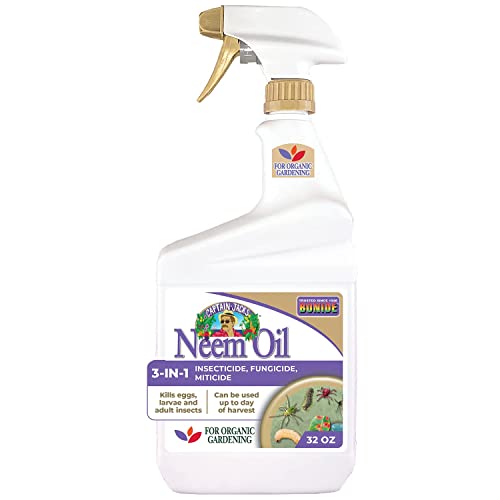
Protect your oasis with 3 garden products in 1 from Captain Jack’s; Bonide Captain Jack’s Ready-to-Use Neem Oil spray for plants is a multi-purpose fungicide, insecticide and miticide for your lawn & garden

FUNGAL DISEASE CONTROL: Prevents and controls black spot on roses, powdery mildew, rust, downy mildew, and other listed fungal diseases when applied on a 7–14 day schedule
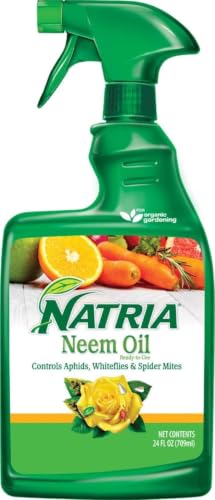
PLANT DISEASE CONTROL: Natria Neem Oil acts as an insecticide and fungicide in one convenient spray; Ready-to-use trigger sprayer requires no mixing
Cultural Practices
Cultural practices play a key role in pest management. Start by rotating crops annually to disrupt pest life cycles. Select pest-resistant plant varieties that naturally fend off insects. Keep your garden clean; regularly remove dead plants and debris that can harbor pests. Maintain healthy soil through composting and proper watering, as vigorous plants resist pests more effectively.
Physical Barriers
Physical barriers block pests from reaching your plants. Use row covers to shield seedlings from insects while allowing light and moisture to penetrate. Employ mesh or netting to cover fruit-bearing plants, preventing birds and larger pests from accessing them. Installing copper tape around pots can deter slugs and snails. Keep fences in good repair to keep out larger animals like rabbits and deer.
Organic Pesticides
Organic pesticides offer an alternative to synthetic chemicals for pest control. Consider using neem oil, which disrupts the life cycle of many pests without harming beneficial insects. Insecticidal soap targets pests like aphids and spider mites while being safe for the environment. Garlic or pepper sprays can deter a variety of insects; simply mix with water and apply to affected areas. Always test a small area first to ensure your plants respond well.
Encouraging Beneficial Organisms
Encouraging beneficial organisms in your garden promotes a healthy ecosystem. These organisms contribute to pest control and enhance plant health.
Companion Planting
Companion planting involves pairing plants that support each other. For example, planting marigolds with vegetables deters pests like aphids due to the marigolds’ strong scent. Choose combinations like basil and tomatoes; basil repels harmful insects and improves tomato flavor. Other effective pairings include:
- Nasturtiums with cucumbers: Nasturtiums attract aphids away from cucumbers.
- Garlic with roses: Garlic acts as a natural repellent for aphid populations.
- Coriander with carrots: Coriander attracts beneficial insects like lacewings.
Map out your garden plan to include these companion plants, enhancing pest control naturally.
Attracting Pollinators
Attracting pollinators supports plant health and fruit production. Pollinators like bees and butterflies help with the reproduction of many flowering plants. To draw them in, consider these actions:
- Plant native flowers: Native species thrive in your local environment, providing essential food for pollinators.
- Create diverse habitats: Include flowers of various colors and shapes to attract different pollinator species.
- Avoid pesticides: Reducing or eliminating pesticides creates a safer environment for pollinators.
Set up a dedicated pollinator garden by planting a variety of blooms. Popular options include lavender, sunflowers, and coneflowers. These strategies encourage beneficial organisms, enhancing the overall health of your garden.
Maintaining Garden Health
Maintaining garden health is essential for preventing pest problems. A healthy garden can naturally resist pest invasions. Implement these strategies for effective management.
Proper Watering Techniques
Water strategically to promote strong plant growth and deter pests. Overwatering creates a damp environment favored by insects, while underwatering stresses plants, making them vulnerable.
- Water Early or Late: Water in the morning or late afternoon. This minimizes evaporation and prevents fungal growth.
- Use a Soaker Hose: Soaker hoses deliver moisture directly to the roots. This keeps foliage dry and reduces pest attraction.
- Monitor Soil Moisture: Check soil moisture with your finger. Soil should feel moist but not soggy.
Soil Management
Healthy soil supports robust plants that can withstand pests. Implement soil management techniques to enhance soil structure and fertility.
- Add Organic Matter: Incorporate compost or well-rotted manure, boosting nutrient content and improving soil drainage.
- Test Soil pH: Use a soil test kit to determine pH levels. Most garden plants thrive in pH levels of 6 to 7.
- Rotate Crops Annually: Rotate plant families each year to prevent pest build-up. For instance, follow legumes with brassicas.
By following these practices, you strengthen your garden’s defenses against pests and foster a thriving ecosystem.
Conclusion
Taking proactive steps to prevent pests in your garden can make all the difference. By understanding the common pests and their signs you can catch problems early and protect your hard work. Implementing cultural practices and physical barriers helps create a healthy environment for your plants while keeping pests at bay.
Encouraging beneficial insects and using organic solutions not only supports a thriving ecosystem but also promotes the health of your garden. Remember that a little effort goes a long way in ensuring your plants flourish. With these strategies in mind you’re well on your way to enjoying a beautiful pest-free garden. Happy gardening!
Frequently Asked Questions
What are some common garden pests?
Common garden pests include aphids, spider mites, caterpillars, slugs, snails, whiteflies, and beetles. Each of these pests can cause significant damage to plants and crops, making it essential for gardeners to identify them early.
How can I identify pest activity in my garden?
Look for visible signs of pest activity such as holes in leaves, droppings, webs, discoloration, visible pests, and stunted growth. Recognizing these indicators can help you address infestations promptly.
What preventive measures can I take against garden pests?
To prevent garden pests, practice crop rotation, choose pest-resistant plants, maintain a clean garden, and promote healthy soil through composting. Implementing these cultural practices can help deter infestations.
Are there physical barriers I can use to protect my plants?
Yes, you can use physical barriers like row covers, mesh netting, and copper tape to protect your plants from pests. These barriers create a protective shield without the use of chemicals.
What are some organic pesticides I can use?
Organic pesticide options include neem oil, insecticidal soap, and homemade sprays made from garlic or pepper. These alternatives are effective in deterring pests while being safer for the environment.
How can beneficial organisms help my garden?
Encouraging beneficial organisms, like ladybugs and pollinators, promotes a healthy ecosystem that aids in pest control. These organisms can help keep pest populations in check and enhance overall plant health.
What is companion planting?
Companion planting involves pairing certain plants to support each other and deter pests. For example, marigolds can repel harmful insects when planted alongside vegetables, creating a more balanced garden environment.
How can I maintain garden health to prevent pests?
Maintain garden health by watering properly, adding organic matter to the soil, testing soil pH, and rotating crops annually. Healthy plants are more resilient against pest infestations, leading to better garden success.

My interest in trees started when I first saw the giant sequoias in Yosemite.I was a teenager then, and I remember thinking, “I need to learn more about this.”That moment stuck with me.A few years later, I went on to study forestry at Michigan Tech.
Since graduating, I’ve worked in a mix of hands-on tree care and community education.I’ve spent over ten years helping people understand how to plant, maintain, and protect the trees in their neighborhoods.I don’t see trees as just part of the landscape.They are living things that make a real difference in our daily lives.