Are you looking to give your garden a boost without breaking the bank? Many gardeners face the challenge of finding quality compost that enriches the soil and supports healthy plant growth. It can be frustrating to sift through options, especially if you’re unsure where to start.
This article will guide you through the best places to find compost for your garden, whether you’re a seasoned pro or just starting out. You’ll discover local sources, sustainable options, and even tips on making your own compost at home. By the end, you’ll have all the tools you need to create a thriving garden that flourishes with life.
Key Takeaways
- Understanding Compost: Compost is decomposed organic material that enriches garden soil, providing essential nutrients and enhancing plant growth.
- Sources for Compost: Quality compost can be acquired from local garden centers, farmers markets, municipal composting facilities, and online retailers, offering diverse options for every gardener.
- Types of Compost: Compost comes in various forms, including organic (homemade, worm castings, and leaf mold) and synthetic (chemical fertilizers and organic blends), each catering to different gardening needs.
- Quality Indicators: When selecting compost, look for dark color, earthy smell, and absence of large debris for optimal soil enrichment.
- Effective Application: To reap the benefits, mix compost into soil, use it as mulch, and apply it regularly to maintain soil health.
- DIY Composting: Creating your own compost from kitchen scraps and yard waste is a cost-effective way to boost garden health while promoting sustainability.
Understanding Compost For Your Garden
Compost enriches soil and supports plant growth by adding essential nutrients. Understanding its components and benefits helps you make informed choices for your garden.
What is Compost?
Compost consists of decomposed organic materials. You can find it made from kitchen scraps, yard waste, and even some paper products. This process transforms waste into nutrient-rich soil amendments.
Benefits of Using Compost
Using compost offers several advantages for your garden:
- Nutrient Supply: Compost adds vital nutrients that feed plants and improve growth.
- Soil Structure: It enhances soil texture, leading to better aeration and drainage.
- Moisture Retention: Compost helps retain moisture in the soil, reducing the need for frequent watering.
- Microbial Activity: It boosts beneficial microbes that promote soil health.
How to Choose Quality Compost
Choosing the right compost is crucial. Look for these qualities:
- Dark Color: Quality compost appears dark brown or black.
- Earthy Smell: A pleasant earthy aroma indicates proper decomposition.
- No Visible Large Materials: Quality compost should not have large twigs or recognizable food scraps.
Sources for Compost
You can find compost from various sources:
- Local Garden Centers: Many sell bags of compost with specific blends.
- Municipal Composting Programs: Check for community programs that offer compost for free or at a low cost.
- Online Retailers: Websites specializing in gardening supplies often sell quality compost.
- DIY Composting: Create your own compost by collecting kitchen scraps and yard waste. Use a compost bin for easy management.
Tips for Using Compost Effectively
To maximize the benefits of compost:
- Mix It Well: Incorporate compost into the top few inches of soil before planting.
- Use It as Mulch: Spread a layer of compost around plants to conserve moisture and suppress weeds.
- Apply Regularly: Add compost each growing season for ongoing soil enhancement.
Understanding these elements of compost helps you make informed decisions for your garden, enhancing plant health and soil quality effectively.
Types Of Compost Available
Compost comes in various types, each offering unique benefits for your garden. Understanding these options helps you choose the right compost for your specific needs.
Recommended Products

SUPERCHARGE YOUR GARDEN: Elevate your plants' growth with premium organic Brut Worm Castings. Our certified organic formula guarantees optimal nutrition for your indoor and outdoor plants.

Earth Worm castings from Mother Earth provide the best soil amendment for anything indoors or outdoors, including vegetables, herbs, flowers and houseplants. Pure USA Vermicompost, so there's no burn or odor.
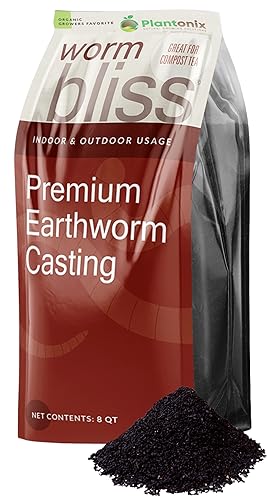
Organic Worm Fertilizer for Plants - Worm castings are a 100% natural soil amendment and garden fertilizer for indoor plants and outdoor plants. Organic earthworm castings are rich in essential nutrients like nitrogen, phosphorus, and potassium, as well as trace minerals that improve soil conditions for better overall plant mass.
Organic Compost
Organic compost consists of natural materials, such as kitchen scraps, grass clippings, and leaves. These ingredients break down over time, providing essential nutrients to your soil.
- Homemade Compost: You can create your own organic compost using a compost bin. Combine green materials, like vegetable peels, with brown materials, such as dried leaves. Turn the mixture regularly to speed up decomposition.
- Worm Castings: Worm compost, or vermicompost, results from feeding worms organic waste. The resulting castings are nutrient-rich and improve soil structure.
- Leaf Mold: Leaf mold forms when leaves decompose in a pile. This type of compost enhances soil moisture retention and encourages beneficial microbes.
Synthetic Compost
Synthetic compost, or manufactured fertilizers, provides a quick nutrient boost. Though effective, these products lack the biological benefits of organic compost.
- Chemical Fertilizers: Chemical fertilizers deliver specific nutrients, such as nitrogen and phosphorus. They work fast but can leach away with rain, potentially harming the environment.
- Organic Blends: Some synthetic options combine organic materials and nutrients. These blends often include composted manure, peat moss, or bone meal, providing a balanced approach for your plants.
Choosing the right compost type depends on your gardening goals and preferences. Organic compost promotes long-term soil health, while synthetic options offer rapid results.
Where To Get Compost For Garden
Finding quality compost for your garden is essential for promoting healthy plant growth. Here are various sources where you can acquire compost easily.
Recommended Products

100% Organic & Peat-Free: Our compost mix is 100% organic & peat-free. Peat is one of Mother Nature’s most important stores of carbon. Instead of imported peat, the base of our soils is made from upcycled plant matter or wood fines from the United States!

100% Natural Compost for Plants - Compost is a nutrient-rich, soil-like substance made from blending yard trimmings and plant residue, such as leaves and grass clippings. Together, they’re composted to make a growing medium that’s part fertilizer, part soil amendment. When mixed with garden soil, compost helps loosen soil, holds onto moisture, and provides essential nutrients for plants.

OMRI Listed
Local Garden Centers
Local garden centers often stock a range of compost types. Their services provide immediate options, allowing you to inspect the compost’s quality. Look for dark, crumbly compost with an earthy smell. Ask staff for recommendations based on your gardening needs. Many centers also offer bulk options for larger projects.
Farmers Markets
Farmers markets are great places to find organic compost produced by local farms. By purchasing here, you support local growers and ensure the compost is fresh and nutrient-rich. Engage with farmers; they may share specific uses for their compost. You might find unique blends tailored for specific plants.
Composting Facilities
Municipal composting facilities collect organic waste from households and businesses. They often sell or provide compost for free. Check with your local waste management department about availability. This option promotes a sustainable cycle. Some facilities also offer educational programs on composting, enhancing your gardening knowledge.
Online Retailers
Online retailers provide convenient access to various compost types. Options include organic compost, worm castings, and specialized blends. Compare reviews and product descriptions to ensure quality. Brands commonly offer bulk delivery for larger gardening needs. Before ordering, check shipping policies to avoid unexpected costs.
Making Your Own Compost
Creating your own compost provides a cost-effective method for enriching your garden soil. Composting transforms kitchen scraps and yard debris into nutrient-rich material, enhancing soil health and promoting plant growth.
Recommended Products

Durable Construction: Standing 33.4 inches tall with a 5.9-inch wide spiral, this tool is resistant to rust and corrosion. Its smooth surface ensures easy cleaning, making post-use maintenance quick and simple.

Compost Turning Tool: Standing 33.4 inches tall with a 5.9-inch wide spiral, this tool is resistant to rust and corrosion. Its smooth surface ensures easy cleaning, saving you time and energy.

Speed Your Compost Pile - Using this compost starter can add air to your bin full of grass clippings, leaves, and vegetable scraps for speeding up compost process
What You Need
- Organic Materials: Gather a mix of green materials, such as fruit scraps and grass clippings, along with brown materials like dry leaves and cardboard.
- Compost Bin: Use a compost bin or create a designated pile in your yard. Ensure it’s in a well-drained area for optimal aeration.
- Water: Maintain moisture in your compost. Keep it damp but not soggy.
- Aeration Tool: Use a pitchfork or shovel to aerate your compost every couple of weeks. Aeration enhances decomposition by supplying oxygen.
- Layering: Start with a layer of coarse materials, like twigs, at the bottom for drainage. Alternate layers of green and brown materials for balance.
- Moistening: Lightly water each layer as you add it. This aids in the breakdown of materials.
- Turning: Turn the pile every 2-4 weeks to mix materials and introduce oxygen, speeding up decomposition.
- Waiting: Allow the compost to break down for several weeks to months, depending on conditions. It’s ready when it’s dark and crumbly with an earthy smell.
- Using: Apply your finished compost to garden beds or as mulch around plants. Use it to enrich soil, enhance moisture retention, or suppress weeds.
By composting, you contribute to a sustainable cycle while producing high-quality compost for your garden.
Conclusion
Finding the right compost for your garden doesn’t have to be a daunting task. With so many options available you can easily enhance your soil and boost plant growth. Whether you choose to buy from local sources or create your own at home each option has its unique benefits.
Remember to consider your gardening goals when selecting compost. By understanding the characteristics of quality compost and exploring various sources you’re well on your way to cultivating a thriving garden. Embrace the journey of gardening and enjoy the rewarding experience of nurturing your plants with the best compost possible. Happy gardening!
Frequently Asked Questions
What is compost and why is it important for gardening?
Compost is decomposed organic material, such as kitchen scraps and yard waste. It enriches soil by adding essential nutrients, improving soil structure, enhancing moisture retention, and boosting microbial activity, which supports healthy plant growth.
How can I find quality compost for my garden?
You can find quality compost at local garden centers, through municipal composting programs, at farmers markets, or online retailers. Look for compost that is dark in color, has an earthy smell, and is free of large materials.
What are the benefits of making my own compost?
Making your own compost is cost-effective and allows you to recycle kitchen and yard waste. It provides a rich source of nutrients for your garden, improves soil health, and promotes sustainable gardening practices.
What types of compost should I consider for my garden?
Consider using organic options like homemade compost, worm castings, or leaf mold for their biological benefits. You might also explore synthetic compost or organic blends for quick nutrient boosts, depending on your gardening goals.
How do I start composting at home?
To start composting at home, gather kitchen scraps (like fruit peels) and yard waste (like leaves), and use a compost bin. Layer materials, maintain moisture, turn the pile for aeration, and wait for it to break down for several weeks to months.
Can I buy compost online?
Yes, many online retailers offer a wide variety of compost options, often with the convenience of home delivery. Be sure to check reviews and product specifications to ensure the quality of the compost you choose.
How do I know if my compost is ready to use?
Your compost is ready when it is dark, crumbly, and has an earthy smell. It should be free from large materials and have broken down to a uniform texture, typically taking several weeks to a few months to complete the process.

My interest in trees started when I first saw the giant sequoias in Yosemite.I was a teenager then, and I remember thinking, “I need to learn more about this.”That moment stuck with me.A few years later, I went on to study forestry at Michigan Tech.
Since graduating, I’ve worked in a mix of hands-on tree care and community education.I’ve spent over ten years helping people understand how to plant, maintain, and protect the trees in their neighborhoods.I don’t see trees as just part of the landscape.They are living things that make a real difference in our daily lives.