Are you wondering how tall your raised garden bed should be? It’s a common question for both new and seasoned gardeners alike. Finding the right height can make a big difference in your gardening experience, whether you’re looking to ease strain on your back or create a cozy space for your plants.
Key Takeaways
- Optimal Heights: Raised garden beds should be 6 to 12 inches for shallow-rooted plants, 12 to 24 inches for medium-rooted vegetables, and 24 to 36 inches for accessibility.
- Plant Considerations: Choose bed height based on the types of plants you plan to grow; deeper-rooted plants require taller beds for optimal growth.
- Accessibility Matters: For individuals with mobility challenges, a height of 24 to 36 inches allows for easy tending without straining the back.
- Soil Health: Taller beds provide better drainage and nutrient absorption, essential for healthy plant growth.
- Material Choices: Select safe and durable materials (wood, metal, concrete) that complement the height and structure of your raised garden bed.
- Customization and Design: Experiment with tiered or traditional designs to enhance both aesthetics and functionality based on your garden space.
Understanding Raised Garden Beds
Raised garden beds are an effective gardening solution that offer numerous advantages. They allow for better soil drainage, improved pest control, and reduced soil compaction. By elevating the plants, you create an accessible space that minimizes back strain.
When considering the height of your raised garden bed, think about the plants you plan to grow. Smaller plants, like lettuce and herbs, can thrive in beds that are 6 to 12 inches tall. For deeper-rooted vegetables, like tomatoes and carrots, a height of 12 to 24 inches works best. Adjusting the height based on your plants can maximize their growth potential.
Material choice also affects the height and overall durability of your raised garden bed. Common materials include wood, metal, and concrete. Wooden beds provide a classic look and natural insulation, while metal beds offer durability and a modern aesthetic. Ensure your chosen materials are safe for growing food.
Accessibility also matters. If you or someone using the garden has mobility challenges, consider a height of 24 to 36 inches. This height allows for easy reaching without bending over. Adding a trellis to your raised bed can provide vertical growing space, optimizing both height and accessibility.
Experiment with different designs. Some gardeners prefer tiered beds, which allow for a varied height and unique visual appeal. Others may opt for a traditional rectangular shape. Regardless of your choice, ensure the structure is sturdy to withstand weather conditions.
Understanding the specific needs of your plants and your personal accessibility requirements will guide you to the ideal height for your raised garden bed.
Benefits of Height in Raised Garden Beds
Choosing the right height for your raised garden bed offers numerous benefits that enhance both accessibility and plant health.
Recommended Products

MOBILE GARDEN ON WHEELS — Two all-terrain wheels and an ergonomic handle let you roll a 200+ lb planted bed wherever sunlight goes. Move your garden across patio, balcony, or backyard in minutes.

Sturdy Construction: The raised garden bed is made of galvanized steel with black anti-rust coating for long-term use; square iron table legs provide stability and prevent damage.

EASY MOBILITY: Built with a set of locking wheels to move the planter from place to place and capture the right amounts of sun and shade
Accessibility Considerations
Height impacts your ability to tend to your garden easily. If you or someone in your household has mobility challenges, consider a garden bed height of 24 to 36 inches. This range allows for comfortable reaching without straining your back. Elevated beds reduce the need to bend over, making gardening less physically taxing. You can also design beds with wheels for added mobility.
Soil Health and Drainage
The height of your raised garden bed influences soil health and drainage. A height of 12 to 24 inches provides ample space for deep-rooted plants, enhancing nutrient absorption. Elevated beds promote better drainage, preventing soil from becoming waterlogged. Incorporating layers of natural materials like wood chips or straw at the bottom encourages drainage and improves soil fertility over time. For example, a 12-inch bed with a well-draining mix will support root growth, while a 24-inch bed can accommodate larger plants needing more space.
Recommended Heights for Raised Garden Beds
Choosing the right height for your raised garden beds directly impacts your gardening experience. Here are the standard and custom height considerations to help you decide.
Recommended Products

Durable Materials: Crafted from galvanized steel, this galvanized steel raised garden bed is durable. Featuring 9 internal support rods, the reinforced structure ensures this metal garden bed remains stable and sturdy even under heavy soil pressure

Raised Planter Box - Our s size greenhouse hoops are designed for 1-3.5ft wide mini raised garden beds or raised planter box, and it suitble for both indoor and outdoor use. perfect for mesh netting, shade cloth, freeze cover, plstic sheeting to protect your plant from all seasons.
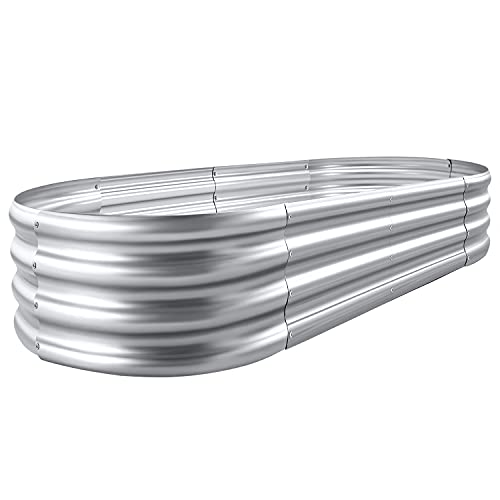
Each raised metal garden bed size: 4×2×1ft ,7.14Cu
Standard Height Options
- 6 to 12 Inches: Suitable for small plants and shallow-rooted veggies. Ideal for crops like lettuce, radishes, and herbs.
- 12 to 24 Inches: Works well for medium to deep-rooted vegetables. Great for tomatoes, carrots, and peppers.
- 24 to 36 Inches: Provides excellent accessibility, especially for individuals with mobility challenges. Perfect for raised beds designed for easy reaching.
- Plant Types: Consider the plants you’ll grow. Deep-rooted species thrive in taller beds, while shallow-rooted ones are fine in lower ones.
- Mobility Needs: If bending down poses issues, heighten your beds to 24 inches or more. This reduces strain on your back.
- Water Management: Taller beds often hold moisture better and promote healthy root growth. Adjust height based on your local climate and drainage needs.
- Space and Design: Fit the height to your yard or garden space. Tiered beds can add visual interest while accommodating different plant heights.
Selecting the right height for raised garden beds creates a more enjoyable and productive gardening experience. It’s advisable to tailor the height based on your specific requirements and the plants you intend to grow.
Factors Influencing Bed Height
Several factors influence the ideal height for your raised garden bed. Understanding these factors helps ensure an effective and enjoyable gardening experience tailored to your specific needs.
Recommended Products

Durable Steel Frame: Constructed of heavy duty steel frame with anti-rusty coating for long time outdoor indoor use.

Solid Fir Wood: The raised garden bed is made of non-painted fir wood, known for its strength and stability. The thick solid boards are polished with smooth surfaces and no burrs or wood splinters

【Premium Metal Construction for All-Weather Durability】: Crafted with heavy-duty rust-resistant metal, this elevated raised garden bed outdoor is built to withstand rain, sun, and outdoor elements for years of use. Unlike flimsy plastic planters, the sturdy frame ensures stability even when filled with soil and plants—perfect for growing vegetables, herbs, and flowers. Ideal as a metal raised garden bed for patio or balcony, it combines durability with a sleek design that complements any outdoor space.
Growing Conditions and Plant Types
Growing conditions dictate the height required for your raised bed. Shallow-rooted plants like lettuce and radishes thrive in beds of 6 to 12 inches. Medium plants such as peppers and herbs do best in beds 12 to 24 inches tall. Deep-rooted vegetables, including carrots and tomatoes, need at least 12 to 24 inches to accommodate their root systems. Additionally, consider your local climate. In regions with heavy rainfall, higher beds may enhance drainage, while in drier areas, shorter beds might conserve moisture more effectively.
User Preferences and Physical Limitations
User preferences and physical limitations also play a crucial role in bed height selection. If you or your garden helpers face mobility challenges, opt for beds between 24 to 36 inches high. This height reduces the need to bend over, making gardening more comfortable. If you prefer more traditional gardening practices and can kneel, beds of 12 to 24 inches may suffice. Remember, designing a garden that suits your personal needs and preferences enhances your overall gardening experience. Consider using height-adjustable elements or tiered beds for added flexibility and accessibility.
Conclusion
Finding the right height for your raised garden bed can make all the difference in your gardening experience. Whether you’re growing shallow-rooted herbs or deep-rooted veggies it’s essential to consider your plants’ needs and your own comfort.
Don’t hesitate to experiment with different heights and designs to see what works best for you. Remember that gardening should be enjoyable and accessible so tailor your raised bed to fit your lifestyle. With the right setup you’ll be well on your way to a thriving garden that brings you joy season after season. Happy gardening!
Frequently Asked Questions
What is the ideal height for a raised garden bed?
The ideal height for a raised garden bed typically ranges from 6 to 36 inches, depending on the types of plants being grown and the gardener’s accessibility needs. Smaller plants thrive in beds 6 to 12 inches tall, while deeper-rooted vegetables require heights of 12 to 24 inches. For easier access, especially for those with mobility challenges, beds can be as high as 24 to 36 inches.
How does the height of a raised garden bed affect soil drainage?
A raised garden bed’s height significantly impacts soil drainage. Heights between 12 to 24 inches allow for better drainage, crucial for deep-rooted plants. This elevated structure helps prevent waterlogging, promoting healthier root systems and ultimately leading to better plant growth.
Can the material of a raised garden bed influence its height?
Yes, the material used for a raised garden bed—such as wood, metal, or concrete—can influence its overall height and durability. Each material has different properties that can affect weight, stability, and how well the bed withstands various weather conditions. Choose materials wisely to match your desired height and gardening style.
How tall should a raised garden bed be for accessibility?
For enhanced accessibility, especially for those with mobility challenges, raised garden beds should ideally be between 24 to 36 inches tall. This height allows for easier reaching and less bending, making gardening more comfortable and enjoyable for everyone.
What plants thrive in shallow raised garden beds?
Shallow raised garden beds, typically 6 to 12 inches in height, are suitable for shallow-rooted plants such as lettuce, herbs, and small flowers. These plants do not require deep soil, allowing for a more accessible gardening experience while also benefiting from improved drainage.
What are tiered raised garden beds?
Tiered raised garden beds are multi-level beds designed to maximize space while catering to different plants’ height and depth needs. This design allows gardeners to grow a variety of plants with varying root systems and can also enhance the aesthetic appeal of your garden while making access easier.
Can I customize the height of my raised garden bed?
Absolutely! You can customize the height of your raised garden bed based on your specific plants and personal preferences. Height-adjustable designs or creating multiple tiers can provide flexibility, making gardening enjoyable for various plant types and accommodating individual accessibility needs.
How do I choose the right height for my raised garden bed?
To choose the right height for your raised garden bed, consider your plant types, any mobility challenges you may have, and the available space in your garden. For shallow-rooted plants, 6 to 12 inches is ideal, while deep-rooted veggies thrive in 12 to 24 inches. Accessibility needs may suggest going higher, up to 36 inches.

My interest in trees started when I first saw the giant sequoias in Yosemite.I was a teenager then, and I remember thinking, “I need to learn more about this.”That moment stuck with me.A few years later, I went on to study forestry at Michigan Tech.
Since graduating, I’ve worked in a mix of hands-on tree care and community education.I’ve spent over ten years helping people understand how to plant, maintain, and protect the trees in their neighborhoods.I don’t see trees as just part of the landscape.They are living things that make a real difference in our daily lives.