Have you ever looked at your garden in late spring and wondered if it’s too late to plant? You’re not alone. Many gardeners face the dilemma of timing, especially when the urge to dig in the dirt strikes.
Key Takeaways
- Understand Your Growing Zone: Familiarize yourself with your USDA Plant Hardiness Zone to determine the best planting times and plant varieties for your area.
- Monitor Frost Dates: Knowing your area’s average last frost date is crucial for planning your planting schedule and protecting young plants from unexpected cold spells.
- Choose Quick-Maturing Crops: Opt for fast-growing varieties like radishes and lettuce for late planting; these can mature quickly and yield harvests before the first frost.
- Utilize Succession Planting: Maximize your harvest by practicing succession planting; after harvesting early crops, replant for additional yields later in the season.
- Consider Soil Preparation: Prepare your soil properly by clearing debris, tilling, and amending nutrient levels to create an optimal environment for late planting.
- Use Protective Techniques: Implement methods like row covering or using transplants to safeguard your plants against cold temperatures and extend your growing season.
Understanding Planting Times
Planting times impact your garden’s success. Knowing how late you can plant depends on your growing zone and the plants you choose. Each plant has unique needs, including specific temperature ranges.
Zone Considerations
USDA Plant Hardiness Zones classify areas based on temperature. You’re in a zone that affects your planting schedule. Check your zone before planting. For example, if you’re in Zone 5, the last frost typically occurs around mid-May. This timeline allows you to plant warm-season vegetables like tomatoes and peppers.
Frost Dates
Frost dates play a crucial role in gardening. Understanding your area’s average last frost date helps you determine the safe planting window. You can find this information on local agricultural extension websites or gardening apps. If your last frost date is in early June, you can plant cold-tolerant crops like kale or spinach up until that date.
Plant Varieties
Different plants thrive at various times. Quick-growing varieties, such as radishes and lettuce, allow for late planting. You can plant these as late as a few weeks before your zone’s first frost date. In contrast, crops like squash may need more time. Consider this growth timeline when planning your garden.
Succession Planting
Succession planting maximizes your garden space. Once you harvest early crops, you can plant another round. This method ensures you get the most out of your growing season. For instance, after you harvest peas, you can plant a late summer crop like beans.
- Choose Fast-Growing Crops: Opt for varieties that mature quickly. Look for seed packets labeled as ‘early’ or ‘quick-growing.’
- Use Transplants: Start plants indoors or buy young plants. This method gives you a head start, letting you plant them later in the season.
- Practice Row Covering: Use row covers to extend your growing season. This technique protects plants from frost and provides a warmer microclimate.
Understanding these factors enhances your gardening success, allowing you to plant more effectively, even late in the season.
Factors That Affect Planting Dates
Understanding the factors that affect planting dates helps you make informed decisions about your garden. Here are essential considerations to keep in mind.
Climate Zone Considerations
Climate zones play a crucial role in determining when you can plant. The USDA Plant Hardiness Zones categorize regions based on average minimum winter temperatures, helping you know which plants thrive in your area.
For example, if you’re in Zone 6, the last frost often occurs around late April. This timeframe allows for planting a range of warm-season vegetables, such as squash and cucumbers. Always check the hardiness zone for your region before planting to ensure compatibility with your selected plants.
Frost Dates and Their Importance
Frost dates affect the survival of young plants. The average last frost date is key to deciding when to transplant or sow seeds.
You can find the last frost date for your area through local agricultural extensions or gardening websites. Once you have this date, you can safely plan your planting schedule. For example, if the last frost date in your area is April 20, it’s wise to wait until that date to plant tender crops like peppers and basil.
Monitoring frost dates also enables you to implement techniques like row covers to protect your plants from unexpected cold snaps. Keep these dates in mind to enhance the chances of a successful garden.
Types of Gardens
Understanding the types of gardens helps you choose the right plants and timing for planting. Here are two common garden types to consider:
Recommended Products
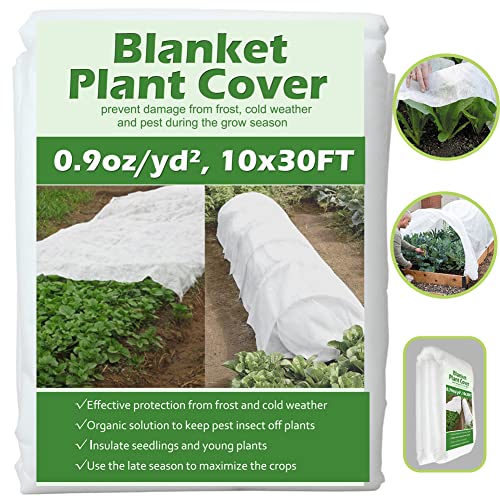
※Big Size to cover large area : The size of our plant cover is 10x30ft, the size can cover large areas. You can cut the plant covers freeze protection into different sizes for different use. You can cover it over the plant such as shrub tomato, pepper, pumpkin, and so on.
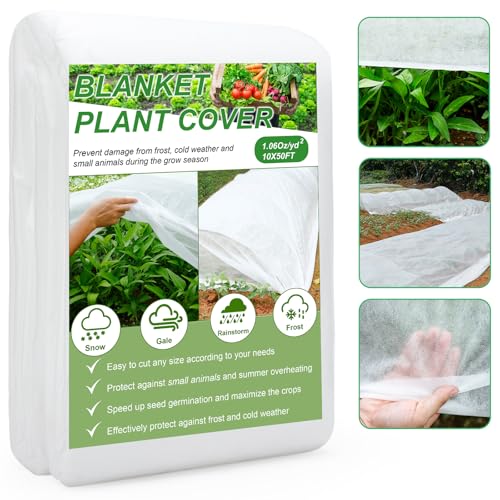
Great Helper for Gardening: This YDSL plant covers freeze protection is ideal for gardening enthusiasts and gardeners to protect plants and vegetables, so that your favourite plants can grow as safely as possible in an environment that is more suited to their needs. Garden bed cover is not only suitable for professional growers, but also for beginners in transplanting techniques, with which planting can be done with ease.

Great Helper for Gardening: This YDSL plant covers freeze protection is ideal for gardening enthusiasts and gardeners to protect plants and vegetables, so that your favourite plants can grow as safely as possible in an environment that is more suited to their needs. Garden bed cover is not only suitable for professional growers, but also for beginners in transplanting techniques, with which planting can be done with ease.
Vegetable Gardens
Vegetable gardens provide sustenance and enjoyment. If you’re planting late, focus on fast-growing crops. Examples include radishes, lettuce, and beans. These varieties mature quickly, often within 30 to 60 days. Consider using transplants for warm-season favorites like tomatoes and peppers to give them a head start.
To extend your growing season, use row covers or cloches to protect young plants from unexpected cold. Planning your garden layout into rows or raised beds optimizes space and makes maintenance easier. Remember to check your local frost dates to avoid damaging young plants.
Flower Gardens
Flower gardens add beauty and color to your landscape. If planting late, choose hardy annuals like marigolds and zinnias, which can thrive in a variety of conditions. Perennials like black-eyed Susans and daylilies might also establish well if you plant them early enough in the season.
Consider mixing early bloomers with late bloomers to ensure continuous color throughout the growing season. Layering plants by height helps create depth and visual interest in your garden. Always check the USDA Plant Hardiness Zones for the best flower varieties suited to your climate. Getting the timing right enhances the success of your flower garden.
Best Practices for Late Planting
Late planting can still yield a bountiful garden with the right approach. Focus on selecting suitable plants and preparing soil effectively to maximize success.
Selecting Hardy Plants
Choosing hardy plants is essential for late-season gardening. Look for varieties that mature quickly or tolerate cooler temperatures. Examples include:
- Radishes: Fast-growing and resilient, radishes can be harvested in as little as 25 days.
- Lettuce: Many lettuce varieties thrive in cooler weather and germinate quickly.
- Snap Peas: These can flourish in cooler conditions and provide an early harvest.
Consider using transplants for warmth-loving plants like tomatoes and peppers. This method jump-starts growth and enhances your yield.
Soil Preparation Techniques
Proper soil preparation is crucial for late planting. Start by testing soil pH and nutrient levels to determine any necessary amendments. Here are steps you can follow:
- Clear Debris: Remove weeds and old plant matter to create a clean workspace.
- Till the Soil: Loosen the soil to improve aeration and drainage. Aim for a depth of at least 12 inches.
- Amend as Needed: Add compost or well-rotted manure to enrich the soil with nutrients.
- Level the Surface: Rake the soil to create an even planting surface, which helps with water retention.
Following these practices ensures your garden is ready for the late planting season, setting up your garden for success.
Conclusion
You don’t have to miss out on gardening just because it’s getting late in the season. With the right knowledge and a little planning you can still enjoy a bountiful harvest. Remember to check your local frost dates and choose plants that thrive in your growing zone.
Fast-growing crops and transplants can help you make the most of the time you have left. By using techniques like row covers you can protect your young plants and extend your growing season. So go ahead and dig in your garden—you might be surprised at what you can achieve even late in the season. Happy gardening!
Frequently Asked Questions
Is it too late to plant in late spring?
It’s not necessarily too late to plant in late spring. The timing depends on your USDA Plant Hardiness Zone and the types of plants you’re considering. Check your area’s average last frost date and choose quick-growing varieties to maximize your garden’s success.
What are USDA Plant Hardiness Zones?
USDA Plant Hardiness Zones classify geographic areas based on their average annual minimum temperature. This classification helps gardeners determine which plants are most likely to thrive in their specific climate, influencing planting schedules.
How can I find my area’s last frost date?
You can find your area’s last frost date by checking local gardening resources, agricultural extension offices, or online gardening databases. Knowing this date will help you plan your planting schedule effectively.
What types of plants are best for late planting?
For late planting, consider fast-growing crops like radishes, lettuce, and beans. Warm-season vegetables like tomatoes and peppers can also be planted using transplants to ensure a successful harvest.
What is succession planting?
Succession planting is a gardening technique where you plant crops in intervals to ensure a continuous harvest throughout the growing season. This method maximizes garden space and helps manage planting times effectively.
What tips can I use to extend my growing season?
To extend your growing season, consider using row covers or cloches to protect young plants from cold temperatures. Additionally, choose hardier plants that can tolerate cooler weather for late planting.
How should I prepare my soil for late planting?
Soil preparation for late planting involves testing the soil pH, clearing debris, tilling, amending with compost, and leveling the surface. Proper preparation ensures a healthy environment for your plants to establish themselves.
What are some good flower varieties for late planting?
For late planting in flower gardens, consider hardy annuals and a mix of early and late bloomers to ensure continuous color. Flowers like pansies and snapdragons can thrive in cooler conditions while providing aesthetic appeal.

My interest in trees started when I first saw the giant sequoias in Yosemite.I was a teenager then, and I remember thinking, “I need to learn more about this.”That moment stuck with me.A few years later, I went on to study forestry at Michigan Tech.
Since graduating, I’ve worked in a mix of hands-on tree care and community education.I’ve spent over ten years helping people understand how to plant, maintain, and protect the trees in their neighborhoods.I don’t see trees as just part of the landscape.They are living things that make a real difference in our daily lives.