Are you wondering if mulch can make a difference in your vegetable garden? You’re not alone. Many gardeners face the challenge of keeping their plants healthy while managing weeds and moisture. Mulch might just be the solution you need to tackle these issues.
Key Takeaways
- Understanding Mulch: Mulch enhances vegetable gardening by providing moisture retention, weed suppression, and temperature regulation. It can be organic (e.g., straw, wood chips) or inorganic (e.g., gravel, plastic).
- Moisture Retention: A layer of mulch helps retain soil moisture, reducing evaporation and minimizing the need for frequent watering, particularly during hot months.
- Weed Suppression: Mulch effectively blocks sunlight, reducing weed growth and limiting seed germination, which can significantly help maintain a cleaner garden bed.
- Soil Temperature Regulation: Mulch acts as insulation, keeping soil cool in summer and warm in winter, which protects plant roots from extreme temperature fluctuations.
- Best Practices: Use 2 to 4 inches of mulch, spread it evenly, select plant-appropriate materials, and monitor mulch levels throughout the growing season for optimal results.
- Potential Drawbacks: Be aware of nutrient competition from organic mulches and the risk of pest attraction. Counter these issues with balanced fertilizers and regular pest monitoring.
Understanding Mulch and Its Benefits
Mulch plays a vital role in vegetable gardening, providing numerous advantages that enhance plant growth and health. Understanding how mulching works and its various types can help you make informed choices for your garden.
Recommended Products

100% Organic & Peat-Free: Our organix mulch mix is 100% organic & peat-free. Peat is one of Mother Nature’s most important stores of carbon. Instead of imported peat, the base of our soils is made from upcycled plant matter or wood fines from the United States!

All-Natural & Clean Mulch —Sustainably sourced 100% non-GMO wheat straw is naturally filtered to remove dust, dirt, and as many seeds as possible for a clean, pure mulch.

PREMIUM ORGANIC GARDEN STRAW: High-quality organic straw harvested for superior coverage and durability—ideal mulch for gardening, raised garden beds, flower beds, composting, and lawn care projects.
What Is Mulch?
Mulch refers to any material placed on the soil surface to improve garden conditions. It can be organic, such as straw or wood chips, or inorganic, like plastic or gravel. Organic mulch decomposes over time, enriching the soil, while inorganic options do not break down but help conserve moisture and suppress weeds.
- Straw: Straw is lightweight and excellent for retaining moisture. It’s also beneficial in suppressing weeds and breaking down over time, adding nutrients to the soil.
- Wood Chips: Wood chips provide good coverage and hold moisture well. They decompose slowly, lasting longer than other organic options.
- Grass Clippings: Grass clippings are a free option that offer nitrogen to your soil. A thin layer works best to avoid compaction and odor.
- Shredded Leaves: Shredded leaves are an excellent source of organic matter. They decompose quickly and improve soil structure.
- Compost: Compost serves as both mulch and fertilizer, enhancing soil health while conserving moisture and preventing weeds.
Using the right type of mulch in your vegetable garden can lead to a thriving and productive growing season.
Advantages of Using Mulch in Vegetable Gardens
Using mulch in your vegetable garden offers several significant benefits that can enhance the health and productivity of your plants. Key advantages include moisture retention, weed suppression, and soil temperature regulation.
Recommended Products

Includes 10lb block of Back to the Roots compressed Coconut Husk Mulch that expands to over 2 cubic feet of mulch. Use it for gardens, raised beds, pet bedding and more
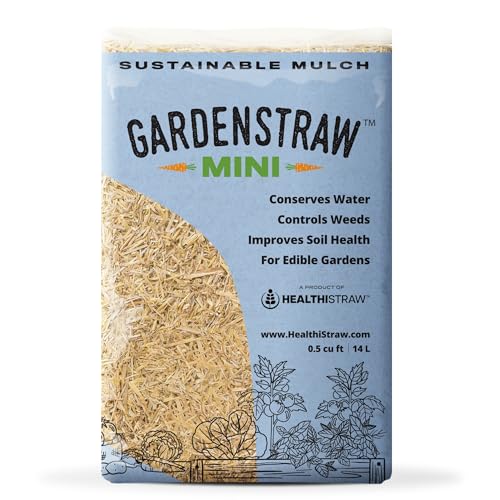
All-Natural & Clean Mulch —Sustainably sourced 100% non-GMO wheat straw is naturally filtered to remove dust, dirt, and as many seeds as possible for a clean, pure mulch.

ORGANIC PROCESSED STRAW With TACKIFIER – Premium Processed Straw with a bonding agent (Tackifier) that gives straw a tackiness which holds it together. This natural bonding agent is biodegradable and helps to protect grass seed from heavy washout and wind.
Moisture Retention
Mulch helps retain soil moisture by reducing evaporation. It forms a protective layer on top of the soil, preventing water loss. For instance, applying two to three inches of organic mulch, such as straw or wood chips, can keep the soil consistently moist. This benefit is especially crucial during hot summer months, as it reduces the frequency of watering. Consider checking the soil moisture level beneath the mulch before watering to ensure efficient use of water.
Weed Suppression
Mulch effectively suppresses weed growth by blocking sunlight and creating a barrier. By layering mulch, you limit weed seed germination and growth. For example, a thick layer of shredded leaves or grass clippings can significantly reduce the number of weeds sprouting in your garden beds. Regularly maintaining your mulch layer keeps it thick and effective, so plan to refresh it as needed throughout the growing season.
Soil Temperature Regulation
Mulch helps regulate soil temperature, protecting plant roots from extreme heat and cold. In the summer, mulch keeps the soil cool, while in the winter, it insulates the soil, preventing freeze-thaw cycles. For example, applying mulch in late fall can protect your winter crops from harsh weather conditions. Aim for a consistent mulch layer around your plants to optimize soil temperature for healthier growth.
Potential Drawbacks of Using Mulch
While mulch offers many benefits, it’s important to consider potential drawbacks in your vegetable garden.
Nutrient Competition
You may encounter nutrient competition when using mulch. Organic mulches, such as wood chips and straw, can decompose and tie up nitrogen in the soil. This phenomenon occurs because microorganisms break down these materials, temporarily reducing the nutrients available for your plants. To counteract this, you can add a balanced fertilizer or compost before applying the mulch. This strategy ensures your plants have sufficient nutrients during the growing season.
Pest Attraction
You might also face pest attraction with certain types of mulch. Some organic mulches, like straw or grass clippings, can invite pests such as slugs, snails, or rodents. These pests thrive in moist, organic environments. To minimize this risk, consider using a pest-resistant mulch, such as gravel or rubber mulch. If you stick with organic options, monitor the garden and remove any pests promptly to protect your vegetables.
Best Practices for Using Mulch in Your Vegetable Garden
Using mulch effectively in your vegetable garden enhances plant health and minimizes maintenance. Here are some best practices to keep in mind.
Recommended Products

Organic – All-Natural Premium Clean Processed Straw

Packaging May Vary: Same great Seeding Mulch with updated packaging!

[Natural & Clean Straw] Sourced from sun-dried wheat, our natural straw is filtered to be dust-free and weed-free.
Application Techniques
- Layer Thickness: Apply mulch in layers between 2 to 4 inches. This thickness balances moisture retention and prevents weed growth.
- Spread Evenly: Use a rake to distribute mulch evenly around plants, leaving space near the stems to avoid rot.
- Material Choice: Choose the right mulch type based on your plants. For example, straw suits tomatoes, while wood chips benefit perennial vegetables.
- Use Cardboard or Newspaper: For additional weed control, place a layer of cardboard or several sheets of newspaper under organic mulch. This method helps suppress weeds effectively.
- Initial Application: Apply mulch after the soil warms up in spring. That way, it helps retain heat for early growth.
- Regular Checkups: Monitor mulch levels throughout the growing season. You may need to replenish mulch as it breaks down or settles.
- Seasonal Adjustments: In fall, consider adding mulch to help protect plants from colder temperatures and frostbite.
- Weed Control: Regularly inspect for weeds that might penetrate the mulch layer. Remove any that appear promptly to maintain effectiveness.
Following these practices ensures that your vegetable garden thrives with the benefits of mulch.
Conclusion
Using mulch in your vegetable garden can be a game changer. It not only helps with moisture retention and weed suppression but also creates a healthier environment for your plants. By choosing the right type of mulch and applying it correctly, you can enjoy a more productive growing season.
Just remember to keep an eye on potential drawbacks like nutrient competition and pest attraction. With a little care and attention, you can reap the benefits of mulch while keeping your garden thriving. So go ahead and give it a try—your vegetables will thank you!
Frequently Asked Questions
What are the benefits of using mulch in vegetable gardens?
Mulch offers several benefits in vegetable gardens, including moisture retention, weed suppression, and temperature regulation. It helps retain soil moisture during hot months, blocks sunlight to prevent weed growth, and stabilizes soil temperature, protecting plant roots from extreme conditions.
What types of mulch are best for vegetable gardens?
Common types of mulch for vegetable gardens include organic options like straw, wood chips, grass clippings, and shredded leaves, as well as inorganic materials like plastic and gravel. Each type has unique advantages, such as moisture retention and weed suppression.
How can mulch help with weed control?
Mulch suppresses weed growth by blocking sunlight and creating a barrier that limits weed seed germination. A proper mulch layer can significantly reduce weeds, making it easier to maintain a healthy garden.
Are there any drawbacks to using mulch?
Yes, potential drawbacks include nutrient competition from decomposing organic mulches, which can temporarily tie up nitrogen in the soil, and increased pest attraction. Adding compost or fertilizer before mulching can help mitigate nutrient issues.
How often should I replenish mulch in my garden?
It’s recommended to check your mulch regularly and replenish it as needed throughout the growing season. Generally, maintaining a thickness of 2 to 4 inches ensures optimal effectiveness against weeds, moisture loss, and temperature fluctuations.
When is the best time to apply mulch?
The best time to apply mulch is after the soil has warmed up in spring. This timing helps regulate soil temperature and moisture, providing optimal conditions for plant growth throughout the season.
Can I use cardboard or newspaper as mulch?
Yes, cardboard and newspaper can be effective as mulch options. They help suppress weeds and retain moisture, but should be used in conjunction with other types of mulch for the best results and to avoid potential pest issues.
How does mulch affect soil temperature?
Mulch helps regulate soil temperature by insulating the ground. It keeps soil warm during cooler months and cool during hot weather, protecting plant roots from temperature extremes and improving overall growth.

My interest in trees started when I first saw the giant sequoias in Yosemite.I was a teenager then, and I remember thinking, “I need to learn more about this.”That moment stuck with me.A few years later, I went on to study forestry at Michigan Tech.
Since graduating, I’ve worked in a mix of hands-on tree care and community education.I’ve spent over ten years helping people understand how to plant, maintain, and protect the trees in their neighborhoods.I don’t see trees as just part of the landscape.They are living things that make a real difference in our daily lives.