Are you wondering what to plant in your garden this August? As summer winds down, it’s the perfect time to refresh your garden and prepare for the cooler months ahead. You might be facing the challenge of keeping your garden vibrant and productive, even as the heat lingers.
Key Takeaways
- Understand Your Climate Zone: Knowing your USDA Plant Hardiness Zone is crucial for selecting appropriate plants that will thrive in August and through the fall.
- Plant Both Cool and Warm-Season Crops: Consider planting cool-season crops like lettuce and kale for a fall harvest, while also exploring warm-season options like beans and cucumbers.
- Focus on Quick-Growing Herbs: August is ideal for planting herbs such as basil, cilantro, and parsley, which can be harvested well into the cooler months.
- Choose Vibrant Flowers: Plant annuals like zinnias and marigolds for immediate color, and consider perennials like asters to ensure blooms return every year.
- Follow Soil Preparation Techniques: Amend your soil with compost and test for nutrient levels to cultivate a healthy growing environment for your plants.
- Employ Gardening Tips for Success: Regular watering, mulching, pest monitoring, and proper fertilization are essential for a thriving garden in August.
Understanding Your Climate Zone
Understanding your climate zone helps you choose the right plants for your garden in August. Climate zones affect growth rates, plant hardiness, and overall garden health.
Importance of Climate Zones
Climate zones classify areas based on their temperature and weather patterns, influencing which plants thrive. For example, cool climates support vegetables like broccoli and lettuce, while warm zones allow for peppers and tomatoes. Recognizing your zone guides you in selecting appropriate crops that flourish during the late summer and fall seasons.
How to Determine Your Zone
To determine your climate zone, start by checking the USDA Plant Hardiness Zone Map. This map divides the U.S. into 13 zones based on average annual minimum temperatures. Here’s how to identify your zone:
- Find Your Location: Locate your state or region on the map.
- Identify Zone: Note the numerical zone that corresponds to your area.
- Consider Microclimates: Remember that local variations, like elevation and proximity to water, may affect conditions.
Additionally, use local gardening centers or agricultural extensions for specific guidance on your area’s climate. They can provide tailored advice on suitable plants for August gardening.
Vegetables to Plant in August
August offers a great opportunity to plant both cool-season and warm-season crops, ensuring your garden stays productive as seasons change. The right choices can yield fresh produce well into fall.
Recommended Products

25 Heirloom & Non-GMO Seed Varieties - Carefully selected for fall planting success, including leafy greens, root crops, brassicas, and hardy herbs.

FALL AND WINTER VEGETABLE SEEDS: 8 non-GMO heirloom varieties for planting vegetables in cool weather gardens, cold frames, raised beds, and containers
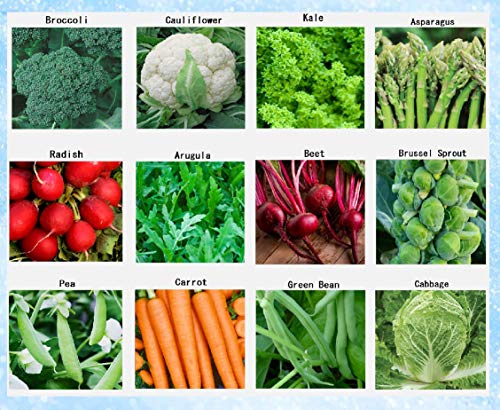
☘ 12 MOST POPULAR WINTER VEGETABLES: Radish, Pea, Broccoli, Beet, Carrot, Cauliflower, Green Bean, Kale, Arugula, Cabbage, Asparagus, Brussel Sprout.
Cool-Season Crops
Cool-season crops thrive in cooler temperatures and can be planted in August for fall harvests. Consider these options:
- Lettuce: Quick-growing, it can be harvested multiple times.
- Spinach: Ideal for cooler weather and packed with nutrients.
- Kale: Hardy and nutritious, it can withstand light frost.
- Radishes: Fast-growing and good for quick harvests.
- Carrots: Plant seeds now for a fall harvest; they taste sweeter after a frost.
To plant, clear any existing weeds, loosen the soil, and follow package instructions on seed depth and spacing. Regular watering is essential but avoid soggy soil.
Warm-Season Crops
Warm-season crops can also be planted in August but require specific conditions to thrive. Options include:
- Beans: Both bush and pole varieties grow quickly and produce abundantly.
- Squash: Summer and winter squash varieties flourish in late summer.
- Cucumbers: Quick to mature; they prefer warm weather.
- Tomatoes: Late varieties planted now can yield fruit before frost.
Before planting, check your climate zone to ensure your warm-season crops have enough time to mature before the first frost. Space seeds or transplants appropriately and use mulch to retain moisture and regulate soil temperature.
Herbs to Consider Planting
August is an excellent time to plant herbs that thrive in warm weather and can be harvested for fall cooking. Focus on varieties that establish quickly and continue to grow even as temperatures dip.
Recommended Products

Complete All-In-One Kit - No need to buy separate supplies. This herb starter set comes with 4 plastic planter pots, 4 soil discs, 4 plant markers 4 heirloom herb seed packets, and essential planting tools—everything you need to start your indoor herb garden immediately.

Graphene Seed Heat Mat for Faster Germination: Compared to traditional electric heating mats, our graphene heat mat heats up faster and more evenly, with a built-in timer for convenience. It creates the ideal environment for indoor seed starting trays, greenhouse seed germination, and hydroponic plant propagation. Designed for indoor gardening, this waterproof and reusable heat mat accelerates growth and improves seedling survival rates.

🌿 【Complete 15-Herb Culinary Kit】 - Everything included to start growing! Contains 15 popular herb seed varieties (Genovese Basil, Mint, Cilantro, Parsley, Rosemary, Thyme, Oregano & more), 15 biodegradable pots, 6 nutrient-rich soil, plant markers, and a detailed guide. Your indoor garden starts here.
Popular Late-Summer Herbs
- Basil: Plant basil in well-drained soil, rich in organic matter. It thrives in full sun and grows best when temperatures stay above 70°F. Regular harvesting encourages bushier growth.
- Cilantro: Sow cilantro seeds directly into the soil. It prefers cooler temperatures, so aim to plant in mid-August for a successful fall harvest. This herb can bolt quickly in heat, making late summer ideal.
- Parsley: Choose a sunny spot for parsley, which tolerates partial shade. It’s resilient and can be harvested over several months. Sow seeds directly or transplant young plants.
- Chives: Plant chives in well-draining soil and full sun. They grow rapidly and can be harvested continuously. Cutting back chives boosts regrowth and keeps them healthy.
- Sage: This hardy herb thrives in well-drained soil and full sun. Planting sage in August allows it to establish roots before cooler weather sets in.
- Watering: Keep soil consistently moist but not soggy. Herbs typically require about one inch of water each week. Water in the morning to avoid evaporation and fungal diseases.
- Fertilizing: Use a balanced fertilizer once a month to support growth. Organic options like compost tea or fish emulsion provide essential nutrients for robust herbs.
- Pruning: Regularly pinch back tips to encourage bushier plants and prevent flowering, which can alter flavor. Remove any flowers promptly.
- Pest Management: Monitor your herbs for pests like aphids and spider mites. Use natural insecticidal soap or neem oil if necessary.
- Harvesting: Harvest herbs in the morning for the best flavor. Cut just above a leaf node to promote further growth. Regular harvesting encourages new growth and enhances flavor.
By planting these herbs in August, you set yourself up for a flavorful fall harvest. Enjoy fresh herbs in your cooking and consider preserving them for winter use.
Flowers for Your August Garden
In August, vibrant flowers can add color to your garden while preparing for fall. Planting at this time allows you to enjoy blooms well into autumn.
Recommended Products

Beautiful - Full color seed packets of popular flowers including Crackerjack Marigold (Tagetes erecta), Envy Zinnia (Zinnia elegans), Powder Puff China Aster (Callistephus chinensis), Lemon Queen Sunflower (Helianthus var. ‘Lemon Queen’), and Candy Stripe Cosmos (Cosmos bipinnatus). Enjoy outside in the garden and indoors as cut flowers.

Cosmos Seeds: Cosmos are fast-growing annuals, blooming from mid-summer until frost. They can reach heights of 3 to 6 feet, depending on the variety and growing conditions.

COSMOS SEED MIX WITH AAS-WINNING COSMOS VARIETIES This premium flower seed mix includes 11 heirloom cosmos types like Sensation and Bright Lights (AAS Winners), Candystripe, Picotee, and more. 100% pure, non-GMO cosmos flower seeds—no fillers. Ideal for wildflower beds, borders, and cottage gardens. Bright blooms in pink, white, orange, and maroon add stunning vertical color all summer.
Annual Flowers
Annual flowers provide instant color and can be sown directly into the ground in August. Consider these options:
- Zinnias: Easy to grow, zinnias thrive in full sun and bloom until the first frost. They attract butterflies and come in many colors.
- Marigolds: These hardy flowers resist pests and bloom prolifically. Plant them in well-drained soil for a burst of yellow and orange.
- Cosmos: Cosmos flourish in hot weather and add charming, daisy-like blooms. They require little care and are drought-tolerant.
When planting annuals, choose a sunny spot and ensure the soil is well-drained. Water regularly but avoid over-watering.
Perennials to Plant
Perennials establish roots that continue to bloom year after year. Planting these in August prepares them for strong growth in the following spring. Here are a few ideal perennials:
- Asters: These flowers bloom in late summer and attract pollinators. Plant them in full sun to partial shade.
- Sedum: Known for their drought resistance, sedums display attractive foliage and pink or red flowers. They grow best in well-drained soil.
- Heliopsis: Commonly called false sunflower, heliopsis boasts bright yellow flowers that bloom well into fall. They prefer full sun and can tolerate various soil types.
Prepare the soil by loosening it and mixing in compost. Space the plants appropriately to allow for growth, and water them thoroughly after planting.
Tips for Successful Planting in August
Planting in August can be rewarding with the right strategies. Follow these tips for a successful transition from summer to fall in your garden.
Soil Preparation Techniques
- Test Your Soil: Use a soil test kit to determine pH levels and nutrient content. Aim for a pH between 6.0 and 7.0 for optimal plant growth.
- Amend the Soil: Incorporate compost or well-rotted manure to improve soil structure and nutrients. This enhances drainage and provides essential nutrients for plants.
- Rotate Crops: Change the location of your crops each year to prevent pests and diseases. For instance, if you grew tomatoes in a specific spot last year, try planting beans there this August.
- Loosen the Soil: Use a garden fork or spade to loosen the soil. Breaking up compacted soil allows roots to grow more easily and improves moisture retention.
- Level the Bed: Smooth out the soil surface to prevent water pooling. This ensures even watering and reduces the risk of root rot.
- Water Deeply: Water your newly planted seeds or seedlings thoroughly to encourage deep root growth. Aim for an inch of water per week, depending on rain conditions.
- Mulch Generously: Apply a layer of organic mulch around plants to retain moisture and suppress weeds. Use materials like straw or wood chips that decompose and enrich the soil.
- Monitor Temperature: Keep an eye on temperatures, especially during hot spells. Shield delicate plants with shade cloth if necessary to prevent heat stress.
- Fertilize Wisely: Use a balanced fertilizer based on soil test results. A slow-release option provides nutrients over time without overwhelming the plants.
- Check for Pests: Inspect plants regularly for pests and diseases. Early detection is key; use organic solutions like neem oil for treatment when needed.
By applying these tips, you can ensure a vibrant and productive garden in August, ready to thrive throughout the fall months.
Conclusion
August is a fantastic time to breathe new life into your garden. By choosing the right plants and following essential care tips you can ensure your garden remains vibrant as summer fades. Whether you opt for cool-season veggies or colorful annuals you’re setting yourself up for a bountiful fall harvest.
Don’t forget to pay attention to your climate zone and local conditions to maximize your garden’s potential. With a little planning and care your garden can continue to thrive, providing fresh produce and beautiful blooms well into the cooler months. So grab your gardening tools and get ready to enjoy the rewards of your hard work this August!
Frequently Asked Questions
What gardening tasks should I focus on in August?
In August, concentrate on refreshing your garden by planting both cool-season and warm-season crops. Focus on watering, fertilizing, and pruning to maintain garden health. Additionally, prepare for fall by considering herbs and vibrant flowers to enhance your garden’s appeal.
How can I determine my climate zone for gardening?
You can determine your climate zone using the USDA Plant Hardiness Zone Map, which provides detailed information on your area’s climate conditions. Consult this map to select appropriate plants that thrive during late summer and fall.
What vegetables can I plant in August?
In August, you can plant cool-season crops like lettuce, spinach, kale, radishes, and carrots for fall harvests. Additionally, late-season warm crops such as beans, squash, cucumbers, and tomatoes can be planted if they have enough time to mature before frost.
Which herbs are best to plant in August?
Consider planting herbs like basil, cilantro, parsley, chives, and sage in August. These herbs thrive in warm weather and can be harvested for fall cooking. Ensure proper planting techniques and care for optimal growth and flavor.
What flowers should I plant in August for a vibrant garden?
For instant color, plant annual flowers like zinnias, marigolds, and cosmos. Also, consider perennials like asters, sedum, and heliopsis, which will establish strong roots for spring growth. Follow recommended planting and care tips for best results.
How do I prepare my soil for planting in August?
Prepare your soil by testing its pH and nutrient content. Amend it with compost, loosen compacted areas, and level garden beds for even watering. Regularly check for pests and use mulch to retain moisture, optimizing growth for your plants.

My interest in trees started when I first saw the giant sequoias in Yosemite.I was a teenager then, and I remember thinking, “I need to learn more about this.”That moment stuck with me.A few years later, I went on to study forestry at Michigan Tech.
Since graduating, I’ve worked in a mix of hands-on tree care and community education.I’ve spent over ten years helping people understand how to plant, maintain, and protect the trees in their neighborhoods.I don’t see trees as just part of the landscape.They are living things that make a real difference in our daily lives.