Ever find yourself frustrated with a weak stream from your garden hose? You’re not alone. Many gardeners struggle with low water pressure, making tasks like watering plants or washing the car feel like a chore.
Key Takeaways
- Understanding water pressure is crucial for efficient garden hose performance; it impacts flow rate and watering effectiveness.
- Hose length and diameter significantly affect pressure; shorter and wider hoses reduce resistance and enhance water flow.
- The quality of the water source and supply pipes plays a vital role in maintaining optimal pressure; inspect them regularly for issues.
- Techniques to increase pressure include choosing the right hose, using a pressure booster, or upgrading to a high-capacity faucet.
- Regular maintenance, such as inspecting for leaks, clearing clogs, and preventing kinks, is essential for maximizing water pressure.
Understanding Water Pressure
Water pressure refers to the force that pushes water through your garden hose. It affects the flow rate and overall efficiency during watering tasks. Understanding how it works is key to troubleshooting low pressure issues.
What Is Water Pressure?
Water pressure is the measure of how forcefully water travels through pipes. It’s typically measured in pounds per square inch (PSI). Standard household water pressure ranges from 40 to 60 PSI. If your hose experiences less than this, you might notice decreased flow rates.
Importance of Water Pressure for Garden Hoses
Water pressure plays a vital role in garden hose performance. Higher pressure means better water flow, allowing for efficient watering and cleaning. For example, low pressure may lead to uneven watering, while high pressure ensures plants receive adequate moisture uniformly. Increased pressure can also help with tasks like washing cars or cleaning patios, making them quicker and more effective.
Factors Affecting Water Pressure
Several elements influence water pressure for garden hoses. Understanding these factors helps improve performance and achieve better outcomes.
Recommended Products
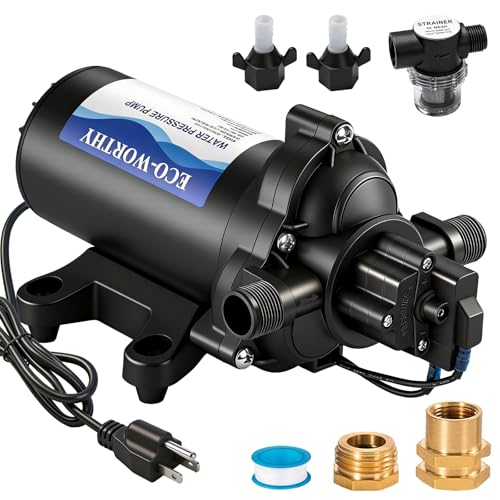
Diaphragm Pump: 110V AC water diaphragm pump provides 4.0GPM flow capacity. Turns on and off using water pressure at 50PSI, 1.3 Max amps. AC power supply, no need to carry marine battery with you

Diaphragm Pump Specifications: 110V AC water pump features 5.5 gallons per minute water flow, the pressure switch is set to 70PSI, Self-Priming up to 9.8 vertical feet, lift up to 131 feet. 1.6 Max amps; excellent performance in all aspects
Hose Length and Diameter
Hose length significantly impacts water pressure. Longer hoses create more resistance, resulting in lower pressure at the end. For instance, a 100-foot hose may have reduced pressure compared to a 50-foot hose.
Hose diameter also matters. Wider hoses allow for more water flow, which can enhance pressure. Standard hose diameters range from 1/2 inch to 5/8 inch. Using a wider hose can help maintain pressure over longer distances.
Water Source and Supply
Water source quality impacts pressure as well. Ensure your hose connects to a faucet with sufficient pressure. The municipal water system usually provides adequate force, but well systems may vary significantly.
Additionally, supply pipes play a role. Older, corroded, or kinked pipes restrict water flow, decreasing pressure. Regular maintenance of pipes can help in sustaining optimal pressure levels. If you’re consistently experiencing low pressure, consider inspecting your water supply infrastructure for issues.
Techniques to Increase Water Pressure
You can enhance your garden hose’s water pressure using several effective techniques. Each option addresses common issues that may cause low pressure and provides practical solutions.
Recommended Products

【Powerful High‑Pressure Cleaning Output】This 2‑pack heavy‑duty twist‑adjustable hose spray nozzle delivers strong blasting power as a high‑pressure water cannon and multi‑functional car wash sprayer. Functioning as a hydro‑blast power nozzle and garden hose pressure booster attachment, this high‑flow jet sweeper nozzle easily blasts away stubborn grime, mud and tough outdoor dirt for efficient surface cleaning

【Consistent Water Flow Design for Daily Cleaning Tasks】Equipped with an auxiliary spray head to deliver steady water flow, this handheld sprayer helps wash off mud, dust and dirt from vehicles, bicycles and outdoor surfaces, suitable for regular household cleaning needs

Powerful High-Pressure Cleaning Performance: The booster nozzle adopts optimized water channel design, delivering strong steady water pressure. Effortlessly blast away mud, stubborn dirt and grime from cars, bikes, driveways and outdoor surfaces, saving your cleaning time and physical effort
Choosing the Right Hose
Selecting the correct garden hose can significantly improve water pressure. Opt for hoses that are shorter and have a wider diameter. A shorter hose minimizes water resistance, while a wider diameter allows for better flow. Look for hoses labeled as “heavy-duty” since they typically offer increased durability and efficiency. Always check that fittings are secure and free from leaks, as this can also affect overall pressure.
Using a Pressure Booster
Installing a pressure booster can provide an instant solution to low water pressure. These devices are pump systems that increase pressure to your hose. Choose a booster that matches your garden’s needs. For instance, some models offer adjustable PSI settings. Before installation, read the manufacturer’s instructions carefully to ensure proper setup. Connect the booster between your faucet and hose for optimal results. You’ll likely notice a significant increase in flow immediately after installation.
Installing a New Faucet
Upgrading to a higher-capacity faucet can also boost your garden hose’s water pressure. Ideally, choose a faucet designed for outdoor use that can handle increased flow rates. Look for faucets labeled as “high flow” or with larger outlet diameters. When you install the new faucet, use Teflon tape on the threads to ensure a secure seal and prevent leaks. After installation, test the water pressure with your hose to confirm the improvement.
Maintenance Tips for Optimal Water Pressure
Maintaining your garden hose is essential for ensuring optimal water pressure. Follow these tips to keep your hose in top shape.
Recommended Products

【Wide Applications】TDRFORCE 530E is your ideal water transfer pump electric , automatic inline water pressure booster pump for home. With self priming function, the pump transfer fresh water with 110v ac can act as a freshwater washdown pump for boats, marine water pump, diaphragm pump and work for garden hose booster.

【Wide Applications】TDRFORCE 540E is your ideal RV water pump electric , automatic inline water pressure booster pump for home. With self priming function, the pump transfer fresh water with 110v ac can act as a freshwater washdown pump for boats, marine water pump, diaphragm pump and work for garden hose booster.

【Elite Performance & Ultra-High Flow】 Experience industrial-grade water transfer with a high-torque 110V AC motor. This high pressure water pump delivers a massive 5.5 GPM (20.8 LPM) flow rate, featuring a 9.8ft vertical self-priming capability and a staggering 164ft total head lift. Perfect for high-demand tasks, it combines powerful suction with optimized low power consumption for maximum efficiency.
Regular Hose Inspection
Inspect your hose regularly for signs of wear, damage, or leaks. Check connections at both ends, including the nozzle and spigot, for any signs of moisture. Examine the length of the hose for cracks or punctures. Replace any damaged sections promptly. A well-maintained hose prevents unnecessary pressure drops and ensures steady water flow.
Clearing Clogs and Kinks
Clearing clogs and kinks in your hose is crucial. Kinks can restrict flow and reduce pressure, so always store your hose properly to avoid this issue. If you notice a drop in water pressure, check for clogs inside the hose or at the nozzle. Disconnect the hose and run water through it to flush out debris. Use a wire brush for stubborn clogs in the nozzle. Keeping your hose free of blockages enhances water pressure, ensuring efficient watering and cleaning.
Conclusion
Improving the water pressure in your garden hose can make a world of difference in your gardening and cleaning tasks. By selecting the right hose and making a few upgrades you can enjoy a stronger flow that gets the job done efficiently.
Regular maintenance is key to keeping that pressure up. Always check for leaks and clogs and store your hose properly to avoid kinks. With these simple steps you’ll ensure your garden hose performs at its best and keeps your plants happy and healthy. Happy gardening!
Frequently Asked Questions
What is water pressure in garden hoses?
Water pressure refers to the force that pushes water through hoses and is typically measured in pounds per square inch (PSI). Standard household water pressure usually ranges from 40 to 60 PSI. If the pressure drops below this range, it can lead to decreased flow rates, affecting both watering and cleaning tasks.
What factors affect water pressure in garden hoses?
Several factors influence water pressure, including hose length and diameter, the quality of the water source, and the condition of supply pipes. Longer hoses create more resistance, while wider hoses allow for better flow. Additionally, connecting to a faucet with adequate pressure is essential for optimal performance.
How can I improve water pressure in my garden hose?
To enhance water pressure, consider using a shorter and wider hose to reduce resistance. A pressure booster can also help increase pressure. Upgrading to a higher-capacity outdoor faucet and using Teflon tape during hookup can prevent leaks and further improve flow.
What maintenance tips can help with water pressure?
Regularly inspect your hose for signs of wear, damage, or leaks. Clear clogs and kinks to avoid flow restrictions. Store the hose properly to prevent kinks, and if pressure drops are experienced, check for blockages and flush the hose to maintain efficient watering and cleaning.
Why is adequate water pressure important for gardening tasks?
Adequate water pressure ensures efficient and uniform watering, which is critical for healthy plant growth. It also enhances the effectiveness of cleaning tasks, like washing cars. Higher pressure leads to better water flow, allowing more efficient use of water for various gardening and cleaning activities.

My interest in trees started when I first saw the giant sequoias in Yosemite.I was a teenager then, and I remember thinking, “I need to learn more about this.”That moment stuck with me.A few years later, I went on to study forestry at Michigan Tech.
Since graduating, I’ve worked in a mix of hands-on tree care and community education.I’ve spent over ten years helping people understand how to plant, maintain, and protect the trees in their neighborhoods.I don’t see trees as just part of the landscape.They are living things that make a real difference in our daily lives.