Ever wondered what a wood chipper really is? If you’ve got a yard full of branches or fallen trees, you might find yourself in need of this powerful tool. A wood chipper can turn that clutter into mulch or chips, making yard cleanup a breeze.
Key Takeaways
- Definition: A wood chipper is a machine used to shred wood into small chips or mulch, simplifying yard waste cleanup.
- Types: Wood chippers come in various types, including drum chippers, disc chippers, electric, and gas-powered options, each serving specific needs.
- Functionality: Chippers operate by feeding wood into the machine, where rotating blades cut it into manageable pieces, ready for landscaping or composting.
- Safety Features: Most wood chippers include safety shields, emergency stop buttons, and automatic feeders to protect users from injury.
- Applications: Wood chippers are versatile, suitable for both residential yard maintenance and commercial landscaping, aiding in efficient waste processing and mulch production.
Definition Of Wood Chipper
A wood chipper is a machine designed to shred wood into small pieces, known as chips or mulch. It’s commonly used for processing yard waste, including branches and fallen trees, making cleanup easier.
Basic Explanation
Wood chippers work by using sharp blades to cut wood into smaller fragments. You feed branches or logs into the machine, and as they pass through, the blades rotate quickly, breaking the wood down. This results in easily manageable chips that can be used for landscaping, gardening, or composting.
Industry Terminology
In the industry, wood chippers may be referred to by specific terms based on their style or capacity. Some common terms include:
- Tow-behind Chippers: These are mounted on a trailer and can be towed by vehicles.
- Commercial Chippers: Designed for heavy-duty use, often catering to landscaping businesses.
- Electric Chippers: Run on electricity and are suitable for lighter yard work and smaller branches.
- Hydraulic Chippers: Use hydraulic power for high-capacity shredding, ideal for larger operations.
Understanding these terms can help you choose the right wood chipper for your needs.
Types Of Wood Chippers
Various types of wood chippers exist, each designed for specific applications and user needs. Understanding these categories helps you choose the right one for your projects.
Recommended Products
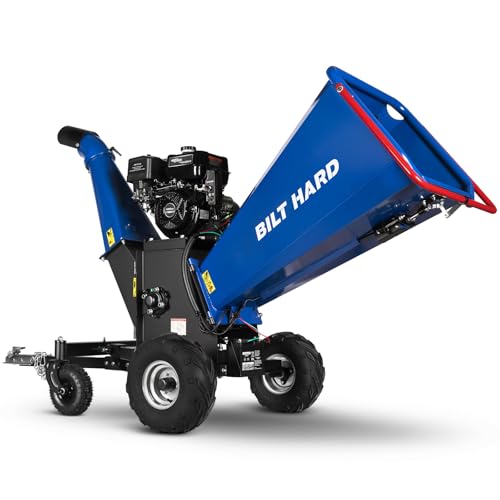
【Powerful 15HP Gas Engine】Powered by a 420cc 4-cycle OHV gasoline engine, this wood chipper delivers reliable power for heavy-duty outdoor cleanup. The electric start system offers quick and convenient ignition for effortless operation.

★Universal Applicability with 5/8" & 7/8" Arbor: Angle grinder disc diameter is 4 Inch and original arbor is 7/8" and equipped with a conversion ring (7/8 "to 5/8"), reducing the arbor diameter by 7/8 "to 5/8" so this size can fit all the angle grinder in the market. Please install the angle grinder guard when using; MPA HANNOVER certification, EN 847-1; Product safety

True 5 Inch Gas Wood Chipper for Large Branches This gas powered wood chipper handles branches up to 5 inches, making it a reliable solution for thick limbs, fallen trees, and heavy yard debris—far beyond the limits of electric wood chippers.
Drums And Discs
Drum chippers use a rotating drum with sharp blades. As the wood feeds into the machine, the drum shreds it into chips. This design excels in processing larger branches and trunks. You often find drum chippers used in commercial settings due to their efficiency and capacity.
Disc chippers feature a stationary disc with blades mounted on it. The wood moves against the disc, allowing for multiple cuts as it feeds through. Disc chippers typically handle smaller, softer materials, making them ideal for homeowners tackling yard waste.
Electric Vs. Gas-Powered
Electric chippers run on electricity and are quieter. They work well for light-duty tasks, such as chipping small branches and twigs. You can easily use electric chippers in suburban areas, as they don’t emit fumes.
Gas-powered chippers rely on gasoline engines. These machines provide more power and can handle larger, tougher branches. You’ll find gas-powered chippers a better option for extensive yard work or professional use. They work independently from power sources, making them versatile.
By understanding these types, you can select the most suitable wood chipper for your specific needs.
How Wood Chippers Work
Wood chippers function by using powerful mechanisms to turn large pieces of wood into smaller chips, making yard maintenance easier. Understanding the operation can help you choose the right machine for your needs.
Recommended Products

Powerful 15A Electric Motor: Equipped with a robust 15A motor that reaches a maximum speed of 3700 RPM, this wood chipper ensures quick and efficient shredding of tree branches and yard waste, making outdoor clean-ups a breeze.

EFFFICIENT PERFORMANCE - This Mini Wood Chipper Shredder Mulcher design has a Reduction Ratio of 15:1, capable of high volume Chipping/Shredding/Mulching via the Large Extended Feeing Chute for upto 3" MAX branches, limbs and garden debris
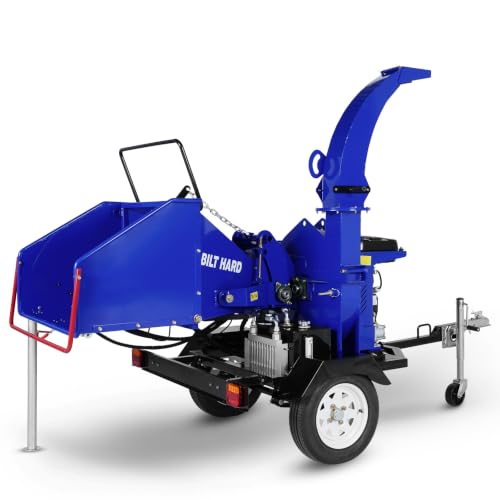
【Professional-Grade Power Performance】The BILT HARD 8'' chipper shredder is equipped with a high-performance 25HP 739cc air-cooled 4-stroke gas-powered OHV engine featuring an efficient electric start system. Supported by a reliable 12V 32Ah lead-acid battery, it ensures quick and effortless startups every time you are ready to work.
The Chipping Process
The chipping process begins with inserting branches or small trees into the chipper’s feed opening. As you feed the material into the machine, rotating blades grip and slice the wood. The design varies among machines. For instance, drum chippers use a cylindrical drum with sharp blades, while disc chippers feature a flat disc for cutting. Both types efficiently process wood into manageable chips. After chipping, the output is ejected through a chute, allowing for easy collection or distribution in your garden.
Safety Features
Safety is crucial when operating a wood chipper. Most models come equipped with several features for protection. Many chippers have safety shields that prevent injury from flying debris. Additionally, emergency stop buttons allow you to halt operation immediately if needed. Some machines include automatic feeders to minimize direct contact with the blades. Always wear personal protective equipment like gloves, goggles, and ear protection when using a chipper to enhance your safety. Following safety guidelines ensures a secure chipping experience.
Applications Of Wood Chippers
Wood chippers serve various purposes, making them valuable tools for both residential and commercial use. Understanding these applications enhances your ability to choose the right machine for your needs.
Recommended Products

POWERFUL PERFORMANCE: 15-AMP motor shreds branches up to 1.8-inches in thickness into garden mulch

Smooth Feeding: Driven by a 15A motor running at 4000RPM with high-temperature-resistant copper windings, this wood chipper delivers strong, steady pulling power that draws branches into the blades with minimal effort on your part. The dual-chute hopper lets you feed branches through separate openings based on their size, minimizing jams and kickback.

【🌲 POWERFUL ELECTRIC WOOD CHIPPER】 This 15-Amp electric wood chipper (1800W, 4000 RPM) shreds branches up to 1.8" thick. With an 18:1 mulching ratio, it turns 18 bags of yard waste into 1 bag of fine nutrient-rich mulch—perfect for composting & garden beds.
Residential Use
You can use wood chippers in your backyard for effective yard maintenance. They are ideal for turning fallen branches and yard waste into mulch. This mulch can nourish your garden and suppress weeds. Chipping small trees or shrubs also helps clear your property, making it more attractive. Many homeowners opt for electric or small tow-behind models, ensuring easy maneuverability and storage.
Commercial Use
Wood chippers play a crucial role in commercial landscaping and tree care businesses. They efficiently process large volumes of wood and debris, saving time and labor costs. Companies often utilize heavy-duty hydraulic chippers to handle large branches, logs, and whole trees. These machines not only facilitate efficient waste disposal but also allow for the creation of consistent mulch or wood chips for resale. This versatility makes wood chippers an essential investment for maintaining a professional edge in the landscaping industry.
Conclusion
Understanding what a wood chipper is and how it works can really enhance your yard maintenance efforts. Whether you’re tackling a small residential project or managing larger commercial tasks, choosing the right wood chipper makes all the difference.
With the right machine in hand you can efficiently transform yard waste into useful mulch. Plus knowing the safety features ensures you can work confidently. So as you consider your next landscaping project remember the benefits a wood chipper can bring to your outdoor space. Happy chipping!
Frequently Asked Questions
What is a wood chipper?
A wood chipper is a machine that shreds wood into small pieces or mulch using sharp rotating blades. It helps in disposing of yard waste efficiently and is ideal for making mulch for gardening or landscaping.
How do wood chippers work?
Wood chippers work by using rotating blades to cut branches and wood into smaller chips. The chipping process involves either drum or disc chippers, which differ in design but achieve the same result of producing uniform wood chips.
What types of wood chippers are available?
There are several types of wood chippers, including tow-behind, commercial, electric, and hydraulic models. The choice depends on your specific needs, such as portability, power, and the volume of wood to process.
What are the safety features of wood chippers?
Wood chippers are equipped with safety features like shields, emergency stop buttons, and automatic feeders. These features help prevent injuries and ensure safe operation while handling the machine.
How can I use wood chippers in my yard?
In residential settings, wood chippers can be used to turn branches and yard waste into mulch, making them valuable for gardening, property beautification, and efficient yard maintenance.
Are wood chippers useful for commercial purposes?
Yes, wood chippers are crucial for landscaping and tree care businesses. They efficiently process large amounts of wood and debris, saving time and labor costs while producing consistent mulch or wood chips for resale.
How do I choose the right wood chipper?
Choosing the right wood chipper depends on factors like the size of the branches you need to chip, the volume of debris, your available power source, and whether you need a portable or stationary model.

I’ve always been drawn to trees.As a kid, I spent most of my free time outside, climbing, exploring, and trying to figure out the names of the trees around me.That early curiosity eventually led me to study arboriculture and horticulture at Michigan State.Later, I completed a degree in forestry at the University of Michigan.
I’ve been working in tree care and education ever since.These days, I enjoy helping people learn more about the trees in their own backyards.How they grow, how to care for them, and why they matter.You don’t need to be an expert to appreciate trees.A little curiosity goes a long way.