Have you ever struggled with a wood chipper that just won’t cut right? Dull knives can turn a simple yard cleanup into a frustrating chore. If you’ve found yourself battling stubborn branches and twigs, you’re not alone. Many homeowners face this issue, but the good news is that sharpening your wood chipper knives can bring them back to life.
Key Takeaways
- Understanding Knife Types: Familiarize yourself with the different types of wood chipper knives (straight, hog, axe-style, chip knives) to choose the right one for your needs.
- Efficiency of Sharp Knives: Sharp knives are crucial for optimal wood chipper performance; they provide clean cuts, reduce strain on the motor, and minimize wear.
- Essential Tools: Invest in a knife sharpening kit that includes an angle guide, whetstone, diamond file, and handheld sharpener to ensure effective sharpening.
- Safety First: Always use safety gear, such as safety glasses, cut-resistant gloves, and a dust mask, to protect yourself when sharpening knives.
- Step-by-Step Sharpening: Follow a structured process for sharpening, including knife removal, inspection, correct angle maintenance, and honing for optimal results.
- Regular Maintenance: Conduct regular inspections and proper storage of knives to extend their lifespan and maintain wood chipper efficiency.
Understanding Wood Chipper Knives
Wood chipper knives are essential components in maintaining effective wood chipper performance. Sharp knives allow for efficient cutting, making yard cleanup quicker and easier. Knowing their types and significance ensures you can extend their lifespan and enhance your wood chipper’s functionality.
Importance of Sharp Knives
Sharp knives significantly impact a wood chipper’s performance. Dull knives lead to inefficient cutting, which can cause jams and require excessive force. A sharp knife produces clean cuts, reducing the strain on the chipper’s motor. This efficiency saves time and energy during yard work. Regularly sharpening your wood chipper knives can also minimize wear on the machine, prolonging its overall lifespan.
Common Types of Wood Chipper Knives
Various types of wood chipper knives exist, each designed for specific tasks. Understanding these helps you choose the right knife for your needs.
- Straight Knives: Common in many chipper models, straight knives are versatile for general use. They offer effective cutting of branches and small trees.
- Hog Knives: These heavy-duty knives excel in handling tougher material like larger branches and logs. Their robust design enhances durability.
- Axe-Style Knives: These knives come with an angled cutting edge, ideal for precise cuts in dense materials. They create smaller wood chips quickly and efficiently.
- Chip Knives: Specifically designed for producing uniform chips, chip knives work best in chipping applications. They’re optimal for landscaping projects where consistency matters.
Knowing the types and importance of wood chipper knives aids in effective maintenance and optimal machine performance.
Tools and Equipment Needed
Sharpening wood chipper knives requires specific tools and equipment to ensure safety and effectiveness. Gather the following items before starting your sharpening process.
Recommended Products

Feeoc Wood Chipper Wood Chip Collection Bag

【Complete Knife Sharpening Stone Kit】You don't need to be a Pro to sharpen your blades, all you need is the right tools & technique. All the sharpening tools you need are here, one affordable set for you: 400/1000 & 3000/8000 grit whetstone; Coarse flattening stone; Non-Slip Bamboo base; Knife sharpening angle guide; Leather strop, a simple instruction manual about how to use and what does every component do.
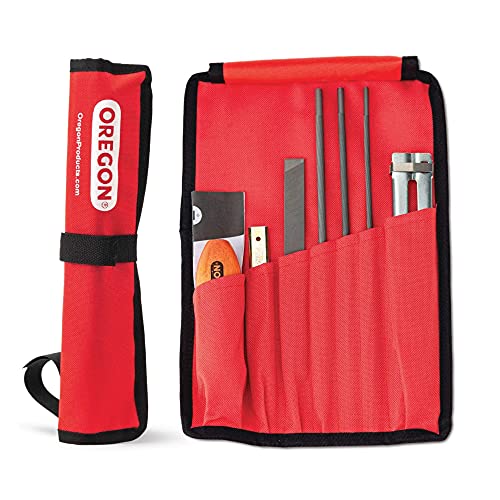
This portable universal chainsaw sharpening kit by Oregon makes it easy to keep your chainsaws, pole saws, and other tools sharp and ready to go
Knife Sharpening Kits
Knife sharpening kits come with various tools to help maintain your wood chipper knives effectively. Look for kits that include:
- Angle Guide: This helps maintain the correct sharpening angle for even results.
- Whetstone: A high-quality whetstone ensures precise sharpening. Opt for a dual-sided stone with coarse and fine grits.
- Diamond File: This file quickly sharpens edges without much effort. It’s useful for hard steel knives.
- Handheld Sharpener: A portable option for quick touch-ups on the go.
Using a kit simplifies the process and enhances the quality of your sharpening.
Safety Gear
Wearing safety gear protects you while sharpening your wood chipper knives. Essential items include:
- Safety Glasses: Protect your eyes from metal shavings and debris during sharpening.
- Cut-Resistant Gloves: These gloves prevent cuts and injuries while handling sharp blades.
- Dust Mask: Wearing a dust mask keeps you safe from inhaling fine particles created while sharpening.
Equipping yourself with proper safety gear helps ensure a secure sharpening experience.
Step-by-Step Guide on How to Sharpen Wood Chipper Knives
Sharpening wood chipper knives keeps your machine running efficiently. Follow these steps to ensure a successful sharpening process.
Recommended Products

New Angle Fixing Tool - This honing guide can secure and fine-tune the angle where the chisel edge meets the whetstone, allowing the entire knife edge to be sharpened uniformly.

For Accurate Honing: This chisel sharpening kit consists of a sharpening guide, a sharpening stone, a sharpening angle gauge and a sharpening angle fixture for creating straight and consistent bevel. Two adjustable jaws of the sharpener help securely clamp the blade at the correct bevel angle to whetstone surface. Make each honing accurate, consistent, and effective

🔪Knife Sharpening Stone base made of FSC-Certified Bamboo - High Quality White Corundum,400/1000 and 3000/8000 knife sharpening stones is Suitable for most grinding operations, 4 type of grit is very accurate suitable for expensive or cheap stainless steel kitchen knives.
Removing the Knives
- Gather Tools: Use the appropriate tools, which include the socket wrench and a magnetic tray for screws.
- Disconnect Power: Always turn off and unplug the wood chipper to prevent accidents.
- Remove Bolts: Locate the bolts holding the knives in place and carefully extract them using the socket wrench.
- Handle with Care: Place the knives in a magnetic tray to avoid losing screws, and handle them carefully to prevent injuries.
Inspecting for Damage
- Examine Edges: Check the cutting edges for chips, nicks, or excessive wear. Look for unevenness indicating that the knife needs sharpening.
- Check the Material: Inspect for cracks or fracture lines to ensure the knives are structurally sound. Discard any damaged knives.
- Measure Thickness: Use calipers to measure the knives’ thickness. This helps ascertain whether they are still usable or if they require replacement.
- Choose a Sharpening Tool: Select a sharpening tool based on the knife’s material. A sharpening kit with an angle guide offers consistency.
- Set the Correct Angle: Maintain the factory edge angle, usually between 30-45 degrees, to ensure proper cutting performance.
- Use a Whetstone: Wet the whetstone and apply consistent pressure while moving the knife across it. Work from the base to the tip, keeping the angle steady.
- Alternate Sides: Repeat the sharpening process on the opposite side of the knife to maintain balance. Alternate sides every few strokes.
- Finish with Honing: Use a honing rod to refine the edge. A few light strokes on the rod help create a sharp, polished finish.
Following these steps ensures that your wood chipper knives remain effective and safe. Keep your equipment in top shape for better performance.
Reinstalling the Knives
Reinstalling the wood chipper knives requires careful attention to detail to ensure safety and efficiency. Follow these steps for proper installation.
- Clean the Mounting Area: Remove debris and dirt from the knife mounting area. A clean surface promotes a secure fit.
- Align the Knives: Position each knife in its designated slot. Ensure the bolt holes align with the knife’s mounting points. This step is crucial for precise cutting.
- Secure the Knives: Use the appropriate bolts and a wrench to secure each knife tightly. Hand-tighten, then give an additional quarter turn with the wrench. Check the manufacturer’s specifications for torque settings if provided.
- Inspect for Movement: Once installed, check each knife for any movement. They should remain completely stable when pushed. Any wobble indicates improper installation.
- Test Before Use: Before using the chipper, run the machine at low speed for a few minutes. Listen for unusual sounds that may signal issues with the knife installation.
- Check Alignment Regularly: After reinstallation, monitor the knives periodically. Misalignment can lead to reduced performance and increased wear.
Following these steps ensures your wood chipper functions effectively with sharp knives.
Maintenance Tips for Longevity
Maintaining your wood chipper knives extends their lifespan and optimizes performance. Follow these essential tips to keep your knives in top condition.
Recommended Products

𝐀𝐜𝐡𝐢𝐞𝐯𝐞 𝐫𝐚𝐳𝐨𝐫-𝐬𝐡𝐚𝐫𝐩 𝐞𝐝𝐠𝐞𝐬 𝐞𝐯𝐞𝐫𝐲 𝐭𝐢𝐦𝐞: SHARPAL 194H is the perfect tool to ensure that your knives, chisels and Plane Iron Blades are always sharpened at the correct angle, resulting in sharper edges that last longer.
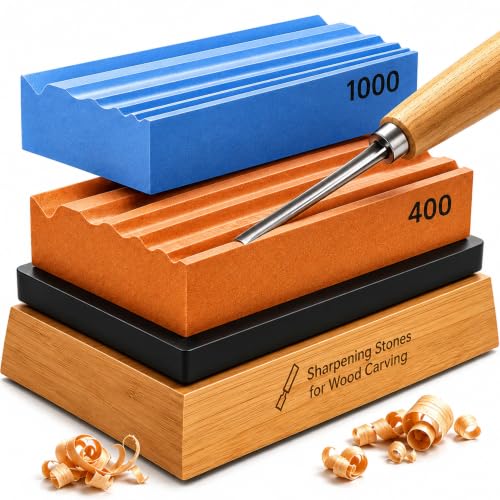
Contoured Sharpening Stones for Wood Carvers: Designed for wood carving beginners, hobbyists and experienced carvers, this 400/1000 grit waterstone set helps sharpen carving knives, chisels and gouges with curved or shaped edges.

WHETSTONE KNIFE SHARPENER — NO SKILL, NO GUESSWORK Most people avoid whetstones because holding the correct angle is intimidating. The included angle guide locks your blade position automatically — making professional knife sharpening practically idiot-proof, even on your first try. No oil needed, no mess, no guesswork.
Regular Inspection
Inspect your knives every few uses. Look for chips, cracks, or excessive wear. If you notice any damage, sharpen or replace the knives immediately. Use a flashlight for better visibility. A sharp knife maintains cutting efficiency and reduces strain on the motor.
Proper Storage
Store your knives in a dry place to prevent rust. Use a protective cover or a dedicated storage case to keep them safe. Keep knives away from moisture and extreme temperatures. Proper storage prevents damage and ensures knives remain ready for use. When not in use, apply a light coat of oil to protect the blades from corrosion.
Conclusion
Keeping your wood chipper knives sharp is essential for getting the best performance out of your machine. By following the steps outlined and regularly checking for damage you can ensure your knives stay in great shape. Remember that a little maintenance goes a long way in extending the life of your equipment.
With the right tools and techniques you’ll find that sharpening your knives is a straightforward process. So don’t hesitate to dive in and give your wood chipper the care it deserves. Happy chipping!
Frequently Asked Questions
How often should I sharpen my wood chipper knives?
It is recommended to sharpen wood chipper knives every 10 to 20 hours of use, or whenever you notice a drop in cutting efficiency. Regular sharpening ensures optimal performance and prolongs the lifespan of your machine.
What tools do I need to sharpen wood chipper knives?
To sharpen wood chipper knives, you’ll need a sharpening kit, safety gear like gloves and goggles, and a whetstone or a specialized sharpening tool. Having these essentials will make the sharpening process safe and effective.
Can I sharpen wood chipper knives at home?
Yes, you can sharpen wood chipper knives at home with the right tools and precautions. Follow the step-by-step guide in the article to ensure you do it safely and correctly for optimal results.
What angle should I use when sharpening wood chipper knives?
The typical sharpening angle for wood chipper knives is between 20 to 30 degrees. Setting the correct angle is crucial for maintaining cutting efficiency and prolonging the life of the knives.
How do I know if my wood chipper knives are damaged?
Inspect the knives regularly for chips, cracks, or excessive wear. If you notice any damage or if they fail to cut efficiently, it’s time to sharpen or replace them to maintain safe and effective operation.
What is the best way to store wood chipper knives?
Store wood chipper knives in a dry place, using protective covers to prevent rust and damage. Avoid damp environments and regularly apply oil when not in use to protect against corrosion.
How can I ensure the knives are installed correctly?
To install knives correctly, clean the mounting area, align the knives properly, secure them with the appropriate bolts, and check for any movement. Testing the installation before use is also crucial for safety.
What maintenance tips can help prolong wood chipper knife life?
To prolong wood chipper knife life, regularly inspect them for damage, keep them clean and sharp, store them properly, and apply oil when not in use. Following these tips will ensure they remain in top condition.

I’ve always been drawn to trees.As a kid, I spent most of my free time outside, climbing, exploring, and trying to figure out the names of the trees around me.That early curiosity eventually led me to study arboriculture and horticulture at Michigan State.Later, I completed a degree in forestry at the University of Michigan.
I’ve been working in tree care and education ever since.These days, I enjoy helping people learn more about the trees in their own backyards.How they grow, how to care for them, and why they matter.You don’t need to be an expert to appreciate trees.A little curiosity goes a long way.